The True Cost of the Low-Ball Janitorial Bid: What Budget Commercial Cleaning Contracts Conceal in Clark County Facilities
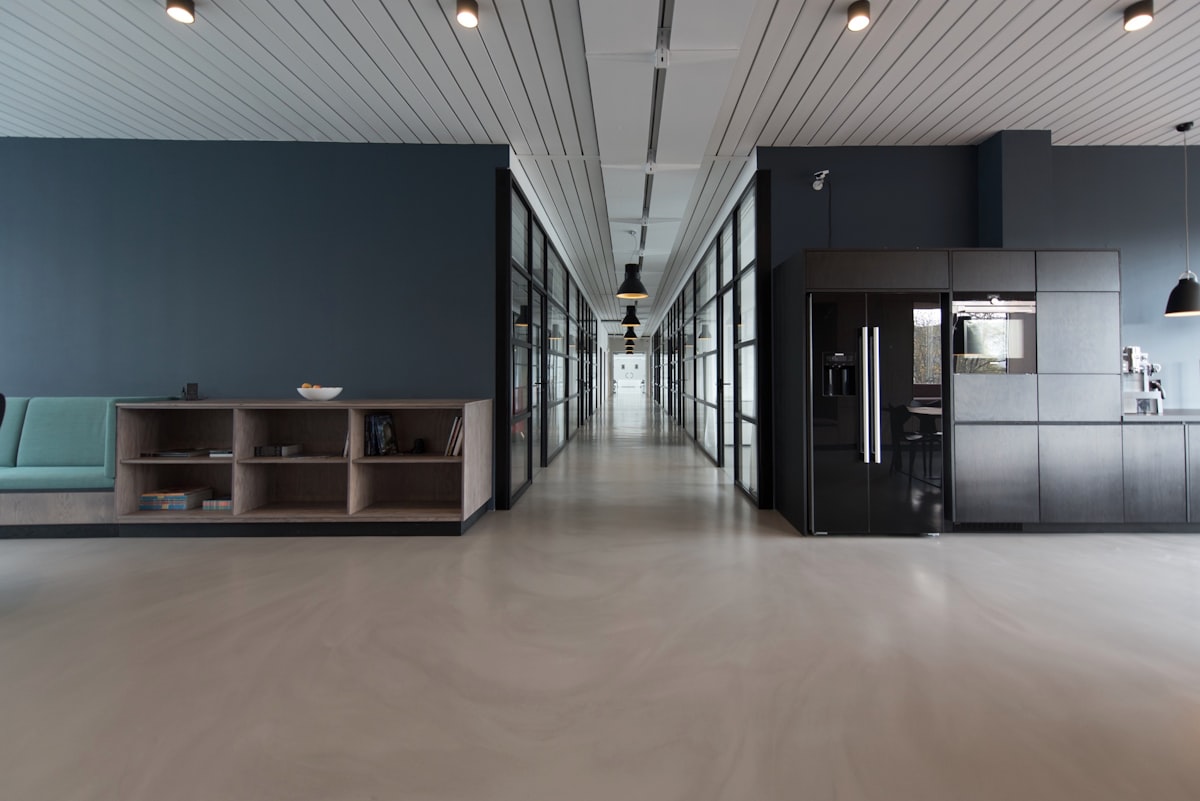
Professional Nightly Corporate Office Detailing & Microfiber Sanitization in Clark County — Mayberry's Maids (702) 474-6243
In commercial real estate procurement across Clark County, facility executives and asset managers frequently encounter a pervasive procurement trap: the predatory, bottom-dollar janitorial bid. When managing corporate footprints—whether along the logistical arteries of Dean Martin Drive, Class-A corporate campuses throughout the Sunset corridor, professional medical plazas in Spring Valley, or premium office flex spaces in Summerlin West—operating budgets are continually scrutinized. However, when selecting an outsourced maintenance partner based strictly on low-margin contract pricing, the short-term ledger savings are systematically offset by hidden, compounding capital expenditures and operational liabilities.
At Mayberry's Maids, operating continuously under owner Gil's direct operational supervision for more than 35 years, we routinely audit facilities transitioning away from budget-tier contractors. The forensic evidence left behind by low-ball bidders reveals an unyielding reality: janitorial operations are governed by the strict mathematics of labor time, chemical physics, and mechanical efficacy. When labor hours are compressed below viable thresholds, quality is not the only metric that suffers—facility assets actively degrade.
1. The Microscopic Hazard: Caliche Silica Dust and HVAC Degradation
The Mojave Desert introduces an environmental variable foreign to non-desert markets: high-alkaline caliche soil and wind-driven crystalline silica dust. With a Mohs hardness rating between 6 and 7, pulverized desert particulate settles into office carpeting, upholstery, and commercial architectural finishes at an alarming rate across Southern Nevada. When an entry-level janitorial crew operates on an impossibly constrained time budget, their mechanical equipment reflects that cost-cutting.
Budget contractors frequently deploy outdated, single-stage domestic vacuum units or neglected commercial equipment containing compromised paper filtration media. Instead of capturing sub-micron particulate, these systems generate mechanical exhaust that aerosolizes silica dust, forcing abrasive particles directly into return-air plenums and HVAC economizers. High-performance commercial office cleaning in Las Vegas requires multi-stage HEPA filtration capable of trapping 99.97% of airborne particulates down to 0.3 microns, coupled with electrostatically charged, microfiber extraction protocols. Without verified filtration, the property owner effectively pays the difference through premature coil replacement, accelerated carpet pile abrasion, and inflated HVAC duct maintenance contracts.
2. The Disinfection Illusion: Chemical Contact Dwell Time Deficits
There is an inviolable rule in surface sanitation that low-cost providers routinely breach: chemical contact dwell time. EPA-registered hospital-grade disinfectants, quaternary ammonium compounds, and botanical oxidizers require a continuous, wet contact time of anywhere from three to ten minutes to penetrate bacterial cell walls and neutralize viral pathogens. The common practice of "spray-and-wipe"—applying chemical disinfectant and wiping it off three seconds later—does not sanitize surfaces; it merely displaces microbial colonies across the substrate.
When low-bid operational models allocate four minutes to sanitize an entire multi-stall executive restroom or breakroom kitchenette, true disinfection is physically impossible. The result is cross-contamination across high-touch touchpoints: elevator call buttons, access pads, conference room table surfaces, and door hardware. When infectious absenteeism spikes within tenant suites, the true cost of an underbid janitorial specification becomes painfully transparent.
3. Labor Arbitrage, Subcontractor Churn, and Facility Security Risks
Janitorial services are inherently labor-dependent. A bidder offering rates drastically below prevailing market standards is invariably practicing labor arbitrage. This commonly takes the form of unvetted, 1099 independent contractor arrangements or sub-minimum piece-rate schemes. High turnover is structural to these operations, often exceeding 200% annually.
For facility directors, this poses severe security vulnerabilities:
- Access Key & Credential Dispersal: High staff turnover increases the exposure perimeter of physical keys, master fobs, and access codes across digital security platforms.
- Zero Background Vetting: Untracked subcontractor rotations bypass rigorous criminal background verifications and comprehensive drug screenings.
- Liability & Workers' Compensation Gaps: Should an injured, non-W-2 worker suffer a slip-and-fall while using equipment on your premises, your building's primary property and casualty policy is forced into the line of fire.
Legitimate operations enforce strict, W-2 direct-hire employment practices backed by comprehensive general liability insurance, commercial bonding, and supervisory oversight that safeguards your facility’s digital and physical assets overnight.
The 5-Minute Nightly Janitorial Diagnostic: A Self-Audit for Property Managers
Tonight, before your nightly janitorial crew arrives or right after they complete their shift, execute this 4-point operational audit across your facility:
- The White Glove Baseboard & Return Register Check: Run an index finger along the top edge of baseboard molding in secondary hallways and over the vanes of the return-air intake grilles. If a thick, cake-like crust of desert silica is present, your contractor is performing visual perimeter maintenance only and ignoring true environmental particulate management.
- The Janitorial Chemical Closet Inspection: Examine the products stored inside your building’s custodial space. Are containers properly labeled via OSHA GHS criteria, or are there unbranded, dilute liquids stored in mismatched jugs? Check whether microfiber mop heads and rags are separated into color-coded contamination systems (e.g., red for commodes, blue for glass, green for general touchpoints).
- The Restroom Hardware Surface Test: Check the underside of the restroom sink handles and the perimeter seals around flush valves. If build-up, scale, or odor-causing uric salts are present beneath horizontal edges, custodial staff are executing surface wiping rather than true chemical restorative detailing.
- Vacuum HEPA Integrity Check: Inspect the primary vacuum equipment utilized by the night crew. Are the seals intact? Is the HEPA exhaust exhaustively sealed, or is an exhaust shroud venting fine dust directly back into the ambient indoor office air?
"Commercial janitorial is not an expense line to minimize through predatory bidding; it is an asset preservation strategy that actively protects your flooring investments, indoor air quality ratings, and tenant retention ratios."
Protect Your Facility Assets with Established Clark County Infrastructure
Operating a pristine corporate environment demands precision, consistent labor scheduling, and rigorous mechanical compliance. Don't let low-ball contracting compromise your commercial asset value or expose your tenants to subpar sanitation.
Asset managers, operations directors, and corporate facility leads are invited to eliminate the uncertainty. Contact Gil and our senior operations management team directly at (702) 474-6243 or via email at sales@wecleanlasvegas.com to schedule a complimentary, comprehensive 15-minute on-site walkthrough inspection. We will benchmark your facility's current maintenance profile against industry best practices and provide a sustainable, transparent roadmap for lasting cleanliness.

Comments
Post a Comment