The True Cost of Cheap Janitorial: Why Low-Ball Bids Compromise Las Vegas Commercial Assets
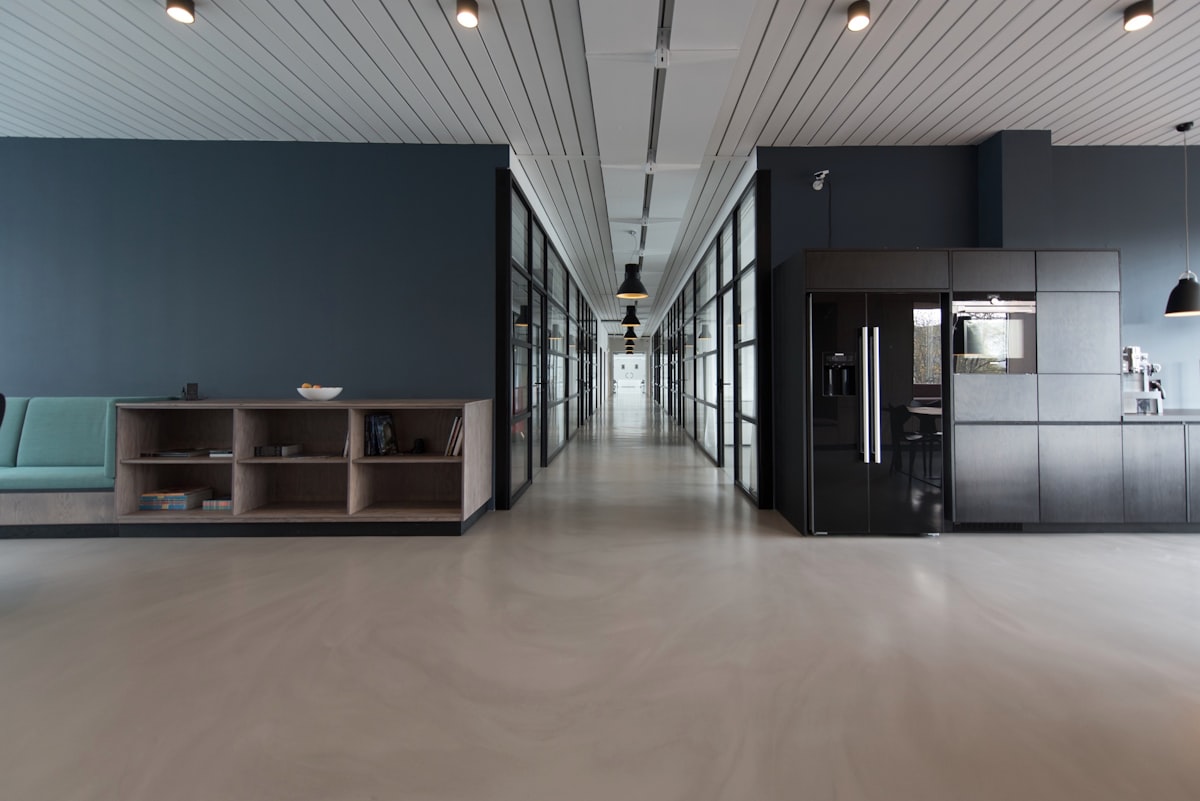
Professional Nightly Corporate Office Detailing & Microfiber Sanitization in Clark County — Mayberry's Maids (702) 474-6243
When commercial property managers across the Sunset corridor, along Dean Martin Drive, and within the corporate enclaves of Summerlin West and Spring Valley open competitive janitorial tenders, the lowest bid inevitably catches the eye. On a spreadsheet, a bottom-tier monthly contract looks like immediate net operating income optimization. On the floor—inside high-traffic lobbies, executive conference rooms, and mission-critical server suites—it triggers an insidious operational cycle that quietly degrades building assets, compromises indoor environmental quality, and elevates premises liability.
Understanding the hidden cost of low-ball commercial janitorial bids requires moving past sales rhetoric and examining the physics of desert cleaning, the chemical reality of microbial control, and the legal chain of custody governing building access. When a cleaning bid falls drastically below market standard, the contractor is not running a lean operational model; they are running an extractive one.
1. Caliche Silica Dust and the Micro-Abrasion of Capital Assets
The Las Vegas Valley presents an extreme environmental baseline. Ambient airborne particulate matter in Southern Nevada is heavily composed of caliche—a hardened calcium carbonate bonded with abrasive silica particles. These microscopic minerals settle continuously across HVAC return vents, millwork, and commercial floor coverings.
Low-budget janitorial contractors survive on unrealistic labor speeds, often allocating under three minutes per thousand square feet. Under these artificial speed metrics, crews deploy standard commercial upright vacuums fitted with worn outer cloth bags. These units lack the static pressure to capture sub-micron particles, effectively functioning as particulate blowers. Rather than extracting silica, they aerosolize sharp caliche dust into the ambient breathing zone, accelerating the mechanical wear on rooftop HVAC filters and settling into sensitive terminal electronics.
Professional-grade commercial office cleaning in Las Vegas demands sealed, true 4-stage HEPA filtration units capable of retaining 99.97% of particulates down to 0.3 microns. Anything less converts standard nightly maintenance into continuous micro-abrasion of your carpets, luxury vinyl tile wear layers, and air-handling equipment.
2. The Quat Dwell Time Illusion: Cleaning vs. Real Disinfection
The most pervasive failure of cut-rate janitorial staffing is the bypass of chemical contact dwell times. Professional hospital-grade disinfectants, quaternary ammonium compounds (quats), and hydrogen-peroxide formulations are engineered to neutralize viral and bacterial pathogens only when remaining continuously wet on a non-porous surface for a specified duration—typically three to ten minutes according to EPA master labels.
Under-resourced crews cannot honor dwell science. In practice, a low-bid cleaner uses a single microfiber cloth—often already saturated with particulate and organic soil from an adjoining restroom—to make a rapid, 10-second pass across breakroom counters, conference table perimeter edges, and door hardware. This practice fails to disinfect; it creates a cross-contamination circuit, spreading resistant microbial films across communal corporate surfaces.
"When an operator cuts labor hours to hit an impossible monthly bid, the first casualty is dwell time. You aren't paying for sanitization; you are paying to redistribute dust."
3. Chain of Custody and the 1099 Liability Gap
To produce an artificially low bid, contractors frequently classify workers as independent 1099 subcontractors or cycle unchecked third-tier labor into properties overnight. This labor model undermines building security, particularly in multi-tenant professional buildings along the 215 Beltway and Spring Valley business parks housing medical, legal, and financial operations.
A credible commercial cleaning service operates strictly on fully vetted, direct W-2 personnel covered under comprehensive commercial general liability, workers' compensation, and surety bonding. W-2 employees operate under direct supervisory oversight, verified badging protocols, keycard sign-out documentation, and strict chain-of-custody rules. Introducing unvetted labor into your secure perimeter to shave minor operating costs creates severe exposure to property damage, tenant data compromise, and premises liability.
The 5-Minute Nightly Janitorial Audit: A Facility Manager's Diagnostic Rubric
Facility directors do not need an industrial hygiene degree to diagnose whether their existing janitorial service is cutting corners. Perform this five-minute diagnostic walk-through after hours tonight:
- Check 1: The Ledge and Sconce Friction Test. Run a dark microfiber cloth across the top edge of decorative wall sconces, the upper frame of restroom mirrors, and supply air registers. If caliche dust transfer is dark and greasy, your current crew is dusting dry, circulating allergens instead of damp-capturing silica.
- Check 2: The Door Hardware Film Inspection. Look at brass, brushed nickel, or stainless steel door handles under angled flashlight illumination. A hazy, cloudy film indicates dried quat residue that was never properly rinsed or buffed, trapping dead organic skin matter and oil.
- Check 3: The Restroom Grout Line Odor Check. Enter the primary tenant restroom before HVAC cycling begins in the morning. If an unmistakable urine or stagnant water odor persists despite sparkling porcelain, the crew is using standard mop water that pushes bacteria deep into porous grout lines rather than extracting it with enzymatic agents.
- Check 4: Vacuum Equipment Verification. Inspect the janitorial closet. If you see worn, single-stage uprights with torn fabric bags rather than sealed, certified 4-stage HEPA backpack or canister units, your indoor air quality is being degraded nightly.
Preserving Building Integrity with Proven Las Vegas Operators
Founded by Gil and continuously operating from our central hub in Clark County (NV 89103) for over 35 continuous years, Mayberry's Maids approaches facility sanitation as an asset-protection discipline. We reject the commodity race to the bottom, focusing exclusively on rigorous, procedure-driven nightly janitorial workflows that safeguard tenant wellness, protect interior capital assets, and maintain uncompromising security standards.
If your commercial property is showing signs of maintenance neglect, erratic contractor attendance, or sub-par cleanliness, we invite you to evaluate your options with operational clarity. Contact Gil directly to schedule a complimentary, comprehensive 15-minute on-site walkthrough inspection of your facility. Call (702) 474-6243 or email sales@wecleanlasvegas.com to baseline your property's real janitorial health.

Comments
Post a Comment