The Mojave Dust Tax: Why Standard Commercial Vacuums Choke in Nevada and Damage Your Facility HVAC
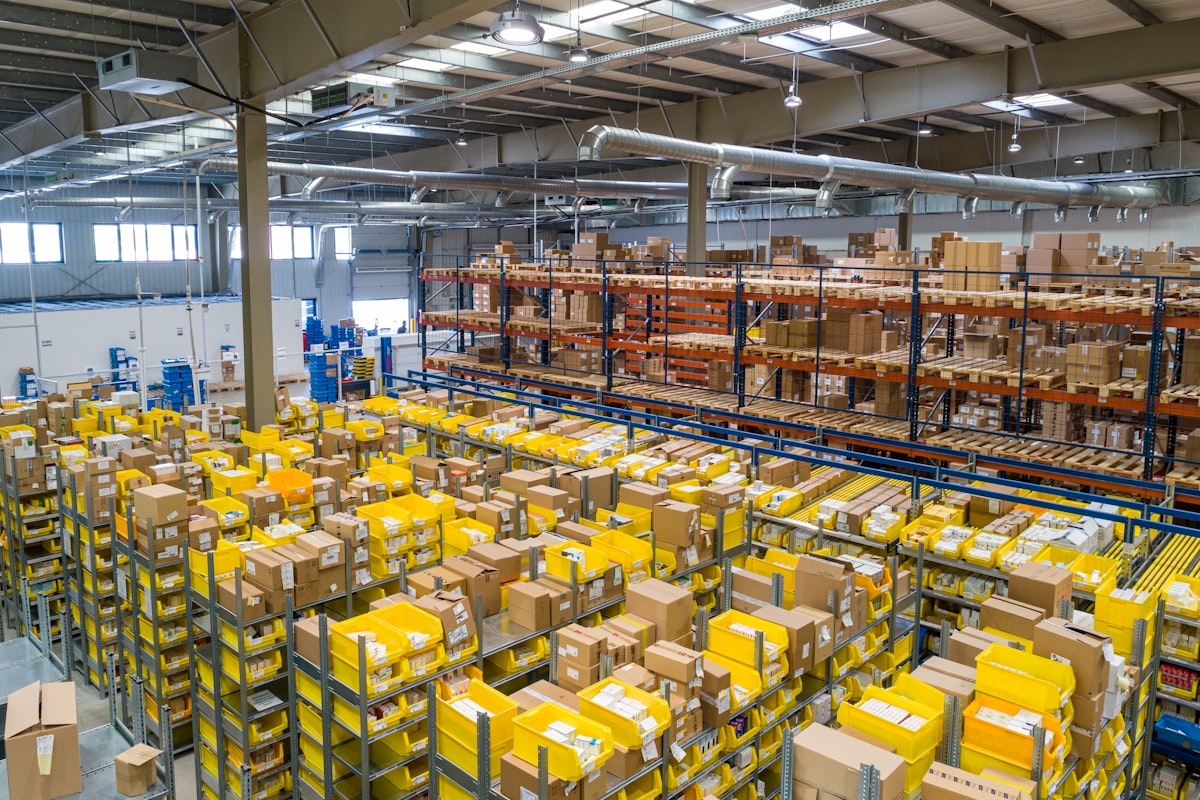
Heavy-Duty Warehouse Floor Scrubbing & High-Efficiency Desert Dust Extraction Protocols — Mayberry's Maids (702) 474-6243
Along the high-output industrial corridors of Clark County—from the exhibit fabrication shops flanking Cameron Street and Valley View to the sprawling logistics bays off Post Road and North Las Vegas Industrial—plant managers face an unseen balance-sheet bleed. We call it the Mojave Dust Tax.
For facilities managing heavy fabrication, convention exhibit staging, architectural millwork, and light manufacturing, routine floor maintenance is rarely recognized as a primary driver of commercial HVAC capital replacement. Yet, daily cleaning methodologies directly dictate indoor air particulate load, coil fouling rates, and rooftop unit (RTU) compressor longevity. When facilities attempt to remediate production waste with standard commercial-grade janitorial equipment, they trigger an expensive mechanical cascade.
The Physics of Mojave Caliche and Silica Particulate
Nevada soil profile is dominated by caliche—a hardened natural cement composed of calcium carbonate, quartz silica, and dense clay silt. When disturbed by heavy freight, forklift traffic, and ambient desert drafts through bay doors, caliche fractures into jagged, sub-micron particulates ranging from PM10 down to respirable PM2.5.
Standard commercial vacuums deployed by generalist janitorial cleaners rely on single-stage filter bags or low-surface-area cloth cartridges. These systems are engineered for cellulose lint and benign domestic dust—not abrasive, crystalline minerals. When caliche dust enters a standard vacuum stream, two failures occur almost immediately:
- Acute Filter Blinding: The ultra-fine calcium carbonate particles rapidly bridge across the filter media pores. Within minutes, CFM (cubic feet per minute) airflow collapses by 40% to 60%, straining the bypass motor and overheating the vacuum armature.
- Exhaust Aerosolization: As static pressure spikes behind the blinded media, micro-fissures develop in paper bags and unsealed seams. Rather than capturing the dust, the vacuum acts as an aerosol disperser, fragmenting sawdust, metal turnings, and silica into high-velocity ambient plumes suspended at human breathing height.
The Direct Route to Commercial HVAC Degradation
Once suspended, this mineral-rich dust does not simply settle back onto the concrete slab. Driven by thermal stratification and internal positive pressure drops, fine dust migrates directly into return air grilles and plenum spaces servicing your industrial bays and front offices.
Even in the dry Mojave climate, commercial rooftop DX (direct expansion) evaporator coils generate surface condensation during long cooling cycles. When caliche and sawdust impact a wet aluminum fin matrix (often spaced at a tight 12 to 16 fins per inch), the calcium carbonate hydrates, binds to airborne organic sawdust, and chemically calcifies onto the fin surfaces.
The consequence is a microscopic insulating blanket over heat-exchange surfaces. A mere 0.042-inch layer of caliche-sawdust slurry on an evaporator coil can diminish heat transfer efficiency by up to 21%, spiking blower motor amperage, dragging down cycle cooling capacity, and forcing compressors into continuous, high-head-pressure operation that leads to premature failure.
Engineering the Facility Protocol: Filtration, Dwell Times, and Scrubbing
Remediating high-yield industrial environments requires heavy-duty process control rather than superficial sweeping. Professional maintenance teams must employ a systematic, multi-tiered approach:
1. 4-Stage True HEPA Extraction
True HEPA filtration systems certified to 99.97% efficiency at 0.3 microns, built with sealed, isolated-path bypass motors, prevent exhaust blowback. Cyclonic pre-separators strip out high-mass timber shavings and composite sawdust before they ever reach the primary filter element, preserving CFM and suction velocity across large surface areas.
2. Wet Chemical Contact Dwell Times
Dry-sweeping industrial concrete creates catastrophic particulate suspension. Instead, hardened slab maintenance requires balanced, alkaline or neutral degreasers and colloidal suspensions applied with precise wet chemical contact dwell times (typically 8 to 12 minutes). This dwell period softens embedded tire mark resins, adhesive overspray, and dried caliche slurry before mechanical agitation occurs.
3. Mechanical Extraction vs. Mopping
String mops simply spread dissolved silica across the slab, pushing it into porous expansion joints where concrete dust cures like mortar. Controlled remediation demands specialized industrial warehouse floor scrubbing and sawdust extraction utilizing cylindrical brush agitation and high-recovery squeegee vacuum shoes that physically remove suspended solids from the facility floor permanently.
4. Dedicated W-2 Security Protocols
High-value exhibit fabrication facilities house proprietary client trade show properties, specialized CNC tooling, and sensitive prototypes. Subcontracted, transient night crews represent an uncalculated liability. Commercial cleaning mandates vetted, background-checked, insured, and uniformed W-2 technicians trained under strict facility safety and chain-of-custody procedures.
The 5-Minute Industrial Facility Self-Audit
Commercial property managers and plant operators can assess their current exposure tonight before shutting the bay doors. Conduct this four-point diagnostic check:
- The Return Grille Finger Test: Inspect the primary return air register closest to your fabrication or assembly zone. If the louver surfaces feel gritty rather than fuzzy, caliche silica is bypassing floor cleaning systems and directly coating your RTU heat-exchanger bank.
- The Slanted Light Beam Check: Turn off bay overheads and shine a high-lumen inspection flashlight parallel to the floor 10 minutes after your current cleaning crew finishes. A visible cloud of illuminated "floaters" confirms your vacuums are venting sub-micron dust back into the ambient workspace.
- Joint Packing Inspection: Scrape a flathead screwdriver along an unsealed control joint. If you dislodge a compressed chalky paste, cleaning water is being mopped into expansion seams, trapping caliche that will spall the concrete edges under forklift wheel impact.
- Vacuum Filter Back-Pressure: Inspect the vacuum equipment currently parked in your utility closet. If the outer motor housing or exhaust port shows a ring of white, chalk-like powder, the equipment is actively pumping fine silica into your shop.
Protect Your Facility Assets with Clark County Specialists
Industrial cleanliness in the Mojave Desert cannot be treated like routine commercial office janitorial work. It demands rigorous engineering standards, industrial-grade mechanical extraction, and crews who understand the physical demands of high-particulate Las Vegas operations.
With more than 35 continuous years solving commercial cleaning challenges throughout Clark County from our central hub in NV 89103, Mayberry's Maids delivers disciplined, heavy-duty facility care backed by dedicated W-2 teams.
Stop paying the Mojave Dust Tax on your HVAC equipment and warehouse floors. We invite property managers and facility directors to schedule a complimentary 15-minute on-site walkthrough inspection directly with our owner, Gil. Call our operations desk at (702) 474-6243 or email sales@wecleanlasvegas.com to audit your facility's environmental containment strategy today.

Comments
Post a Comment