The Mojave Dust Tax: Why Standard Commercial Vacuums Choke in Nevada and Damage Your HVAC System
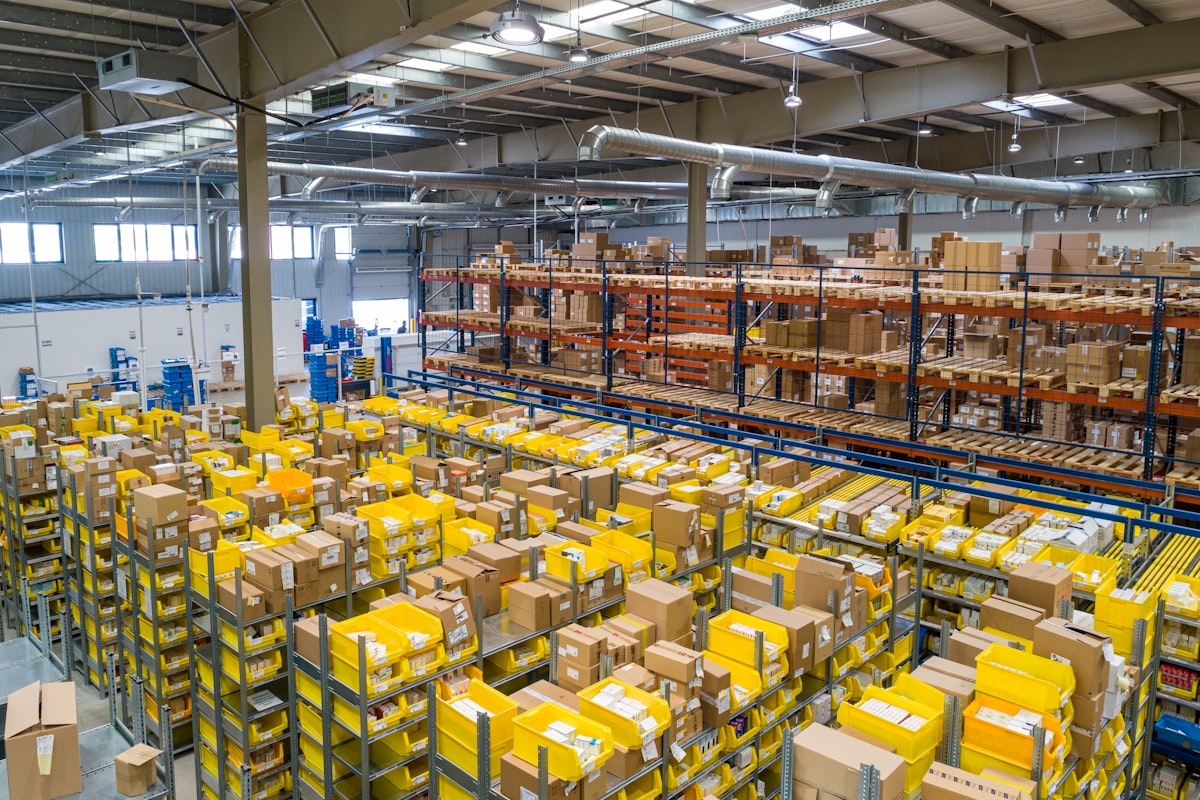
Heavy-Duty Warehouse Floor Scrubbing & High-Efficiency Desert Dust Extraction Protocols — Mayberry's Maids (702) 474-6243
Along the high-traffic industrial corridors of Post Road, Cameron Street, Valley View Boulevard, and across North Las Vegas, light industrial warehouses and trade show exhibit builders are fighting an unseen, expensive friction point: the Mojave Dust Tax.
In the trade show capital of the world, Clark County exhibit builders process thousands of linear feet of medium-density fiberboard (MDF), Baltic birch plywood, high-pressure laminates, and aluminum extrusions every single week. When fine composite sawdust merges with the airborne crystalline silica and calcium carbonate native to Southern Nevada, it creates an aggressive, micro-abrasive particulate cocktail. Facility managers frequently assume their janitorial contractors or in-house shop hands can manage this debris with off-the-shelf single-stage commercial vacuums or dry brooms. In reality, that assumption silently destroys commercial rooftop HVAC units, shortens equipment lifespans, and compromises warehouse indoor air quality (IAQ).
The Caliche Physics: Why Standard Vacuums Fail
The ground beneath the Las Vegas Valley is saturated with caliche—a sedimentary rock composed of hardened calcium carbonate cemented with clays and abrasive silica. When desert winds sweep through loading docks or concrete slabs crack under forklift traffic, caliche shatters into sub-2.5-micron crystalline dust. Unlike organic dust, caliche particles have razor-sharp micro-facets and possess high alkalinity.
Standard commercial uprights and utility shop vacuums rely on rudimentary cloth or single-stage paper cartridge filters. These filters are typically rated to capture particles measuring 5 to 10 microns at best. When challenged by caliche dust mixed with microscopic MDF resins, two immediate failures occur:
- Airflow Choke and Thermal Bypass: Sub-micron caliche blindingly coats the outer surface of standard filters within 12 minutes of continuous operation. As airflow drops, vacuum motors pull higher amperage to compensate, causing internal thermal switches to trip or vacuum motor windings to burn out prematurely.
- Exhaust Aerosolization: The abrasive dust that fails to lodge on the filter screen bypasses the motor housing entirely. The vacuum effectively acts as a high-velocity mechanical aerosolizer, launching invisible respirable crystalline silica straight into your warehouse breathing zone.
Once suspended in the ambient airspace of a 30-foot-clear warehouse, thermal updrafts carry this particulate directly into your high-volume return air intakes.
The Cascade Effect on Commercial HVAC Systems
When sub-micron exhibit dust reaches your rooftop package units (RTUs), the true cost of inadequate cleaning reveals itself. Evaporator and condenser coils naturally run damp during heavy cooling cycles. When dry-swept sawdust and alkaline caliche particulate pass through intake grilles, the dust contacts the condensate on aluminum cooling fins.
The combination of moisture, calcium carbonate, and lignocellulose adhesive dust forms an alkaline crust that permanently hardens into coil crevices. This reduces thermal transfer, chokes airflow by up to 40%, drives compressor head pressures into dangerous territory, and inflates commercial electric utility bills.
Replacing a burned-out 15-ton commercial HVAC compressor on a Cameron Street industrial bay disrupts operations for days. Solving this problem requires preventing dust from ever aerosolizing off the production floor.
Engineered Extraction: HEPA Protocols and Surface Chemistry
Industrial hygiene in light manufacturing demands sealed, multi-stage HEPA systems rather than general office janitorial equipment. Professional remediation mandates certified 4-stage HEPA filtration units equipped with cyclonic drop-out pre-separators. By dropping out 95% of coarse exhibit sawdust and heavy gravel prior to reaching the primary HEPA filter, the system maintains constant laminar airflow without blinding.
Furthermore, floor restoration in manufacturing bays requires specialized mechanical wet scrubbing rather than dry push brooms. Facilities seeking true particulate clearance rely on scheduled industrial warehouse floor scrubbing and sawdust extraction to strip oil, caliche fines, and fabrication binder chemistry off sealed concrete slabs. Chemical application is not instantaneous; it requires precise wet chemical contact dwell times—typically a minimum of 8 to 10 minutes—to emulsify surface-bonded silicates before dual high-torque counter-rotating cylindrical brushes pull the suspended slurry into a vacuum recovery tank.
Securing Production: The Importance of Vetted W-2 Teams
Exhibit builders on Valley View and Post Road manage highly proprietary tradeshow components, staging secret trade displays for global tech and gaming companies months before public unveilings. Handing commercial facility keys to third-party cleaning operations that rely on unverified, 1099 subcontractors presents an unacceptable security and liability risk.
At Mayberry's Maids, our commercial sanitation technicians are 100% background-checked, fully insured W-2 employees trained in industrial safety, OSHA dust compliance, and client non-disclosure protocols. Operating from our central hub in NV 89103, our crews understand the physical and operational realities of Clark County light industrial infrastructure.
The 5-Minute Property Manager Diagnostic Self-Audit
Property managers and shop superintendents can execute this 4-point diagnostic inspection across their facilities tonight to evaluate their dust vulnerability:
- The Return Grille Swab Test: Run an index finger along the top edge of your lowest HVAC return grille. If you lift a chalky, cement-like film rather than gray, fibrous household lint, caliche dust is bypassing your filtration and accumulating inside your coils.
- The Flashlight Exhaust Test: In a dark production bay, point a high-lumen tactical flashlight directly across the exhaust port of your current commercial vacuum while it runs. Visible sparkle or airborne floating plumes confirm direct filter blow-by.
- The Slurry Line Inspection: Inspect the perimeter edge of your concrete floor where the expansion joints meet the drywall. If wet mops are dragging sawdust into corners, you will see a cured, yellow-brown crust of adhesive residue that regular mopping cannot lift.
- The Dust Re-Settling Window: Measure how quickly horizontal surfaces in your administrative offices accumulate white dust after cleaning. If desks are coated within two hours of sweeping the adjacent warehouse, your floor maintenance routine is aerosolizing particulate rather than capturing it.
Schedule an On-Site Commercial Walkthrough
Eliminate the Mojave Dust Tax before ambient silica and exhibit fabrication waste compromise your expensive HVAC capital investments. For over 35 continuous years in Clark County, founder Gil has directly helped commercial and industrial property operators safeguard their facilities with disciplined, reliable cleaning programs.
To discuss your warehouse layout and schedule a complimentary 15-minute on-site walkthrough inspection with Gil, contact our operations desk directly at (702) 474-6243 or email sales@wecleanlasvegas.com.

Comments
Post a Comment