The Mojave Dust Tax: Why Standard Commercial Vacuums Choke in Nevada and Damage Your HVAC System
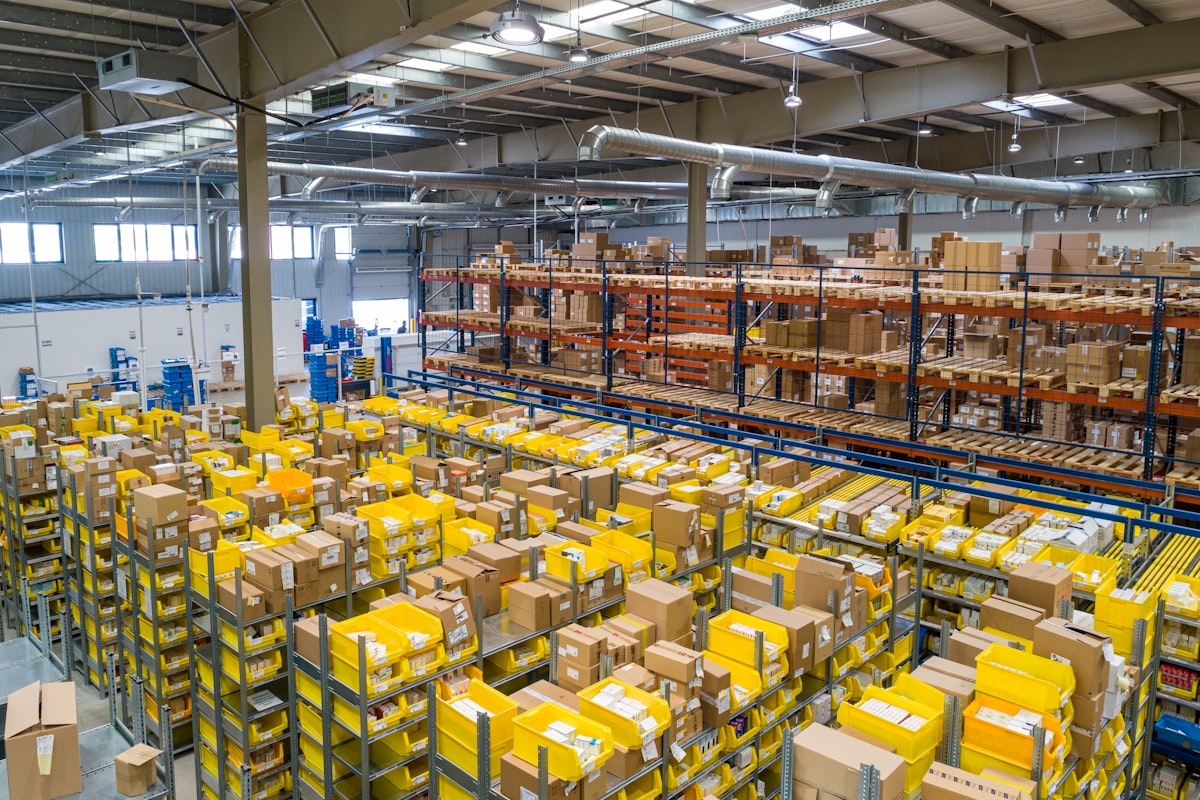
Heavy-Duty Warehouse Floor Scrubbing & High-Efficiency Desert Dust Extraction Protocols — Mayberry's Maids (702) 474-6243
Across the industrial arteries of the Las Vegas Valley—from the fabrication warehouses flanking Post Road and Cameron Street to the high-bay flex spaces along Valley View and the logistics hubs of North Las Vegas—a silent, expensive liability accumulates every working day. Facility managers call it everyday grit. Mechanical engineers call it premature equipment failure. We call it the Mojave Dust Tax.
The Caliche Physics: Why Nevada Particulates Defeat Commercial Janitorial Equipment
In standard commercial cleaning environments across the Midwest or coastal markets, dust consists predominantly of skin cells, textile fibers, and benign organic matter. In the Mojave Basin, particulate composition is governed by caliche—a concrete-like sedimentary deposit composed of calcium carbonate, quartz silica, and reactive mineral salts. These particles feature an irregular, crystalline geometry with a Mohs hardness rating ranging between 6.0 and 7.0, rivaling tool steel in abrasiveness.
When a conventional single-stage or dual-stage commercial upright vacuum enters an exhibit manufacturing shop or light industrial facility, it undergoes immediate mechanical compromise. Caliche dust routinely measures under 2.5 microns (PM2.5). Typical commercial vacuum bags and secondary cloth filters retain particles down to 10 to 15 microns. The result is catastrophic for indoor air quality: the vacuum acts as an aerosolizer, drawing fine crystalline silica off the concrete floor, pulverizing it across the motor armature, and ejecting a microscopic mineral cloud straight into the facility's air column.
"Standard off-the-shelf janitorial equipment simply cannot handle Southern Nevada geology. Running an unsealed, non-HEPA vacuum in an industrial bay doesn't clean the space; it charges the air with abrasive cutting agents that get pulled directly into your rooftop HVAC economizers."
The Compounding Hazard: Cross-Contamination in Exhibit & Millwork Fabrication
Exhibit builders in Clark County operate under intense production deadlines for trade shows at the Las Vegas Convention Center, Mandalay Bay, and the Venetian Expo. In these environments, fine caliche particulate mixes with combustible wood flour, MDF dust, laminates, and solvent overspray. When ambient silica dust settles on raw timber or clear-coat finishes, it ruins surface finishes, increases rework, and clogs shop pneumatic tools.
More critically, this hybrid dust migrates into ceiling returns. Commercial rooftop units (RTUs) across the Valley View and Post Road industrial complexes pull hundreds of thousands of cubic feet of air per hour. As sub-micron caliche coats evaporator coils and mixes with condensation, it forms a calcified crust. Heat transfer efficiency plummets, compressor head pressures spike, and variable frequency drives (VFDs) burn out years ahead of their scheduled replacement cycles. Implementing dedicated industrial warehouse floor scrubbing and sawdust extraction stops this migration pathway before particulates ever reach the return plenums.
The Remediation Protocol: True 4-Stage HEPA and Scientific Dwell Times
Eliminating the Mojave Dust Tax requires transitioning from dry, disruptive sweeping to scientific extraction. Professional industrial remediation relies on four interconnected technical pillars:
- Sealed True HEPA Filtration: Vacuum units must be certified to retain 99.97% of particulates down to 0.3 microns under positive pressure. True 4-stage filtration utilizes a cyclonic pre-separator, an electrostatically charged micro-filter, an antimicrobial secondary barrier, and a final sealed HEPA cell, ensuring the exhaust air is cleaner than the surrounding ambient room.
- Sub-Micron Industrial Floor Scrubbing: High-downpressure cylindrical auto-scrubbers sweep and scrub simultaneously, applying calibrated neutral-pH surfactant solutions that break the surface tension of concrete and encapsulate silica particles without generating aerosol drift.
- Chemical Contact Dwell Times: Industrial degreasers and anti-static agents require strict chemical dwell times—frequently between 5 to 10 minutes of unevaporated wet contact—to emulsify oils, adhesives, and compacted caliche slurry before vacuum recovery blade systems squeegee the slab dry.
- Strict W-2 Security Chain of Custody: High-profile trade show booths and proprietary industrial prototypes demand uncompromising operational security. Facility managers cannot risk rotating 1099 sub-contractors roaming secured production floors. For over 35 continuous years in Clark County, Mayberry's Maids has maintained an elite corps of rigorously vetted, background-checked W-2 cleaning technicians trained in plant security protocols.
The 5-Minute Nightly Plant Audit: 4 Diagnostic Checkpoints
Commercial plant directors and warehouse managers can immediately evaluate their facility's exposure to caliche particulate damage tonight using this straightforward diagnostic rubric:
- The High-Bay Return Collar Test: Run an index finger along the lower rim of your high-bay air return grilles. If the residue feels chalky, gritty, and gray-white rather than soft and fibrous, abrasive silica dust is actively bypassing your filtration and abrading your HVAC blowers.
- The Raking-Light Slab Inspection: Turn off overhead bay lights and shine a 1,000-lumen inspection beam parallel to the warehouse floor across an unsealed concrete lane. A visible airborne haze lingering 15 minutes after end-of-shift sweeping indicates your current cleaning tools are aerosolizing particulates instead of removing them.
- The Vacuum Motor Exhaust Check: Inspect the exhaust port and cable run of your janitorial crew’s current commercial vacs. Dark, chalky rings around the motor exhaust housing indicate internal bypass leakage—meaning the motor is burning out on caliche and dispersing particulate into your finished product inventory.
- The Evaporator Pan Silt Audit: Open your primary rooftop package unit. If the condensate drip pan contains a heavy, muddy calcified deposit rather than clear water run-off, your HVAC coils are acting as your primary air filters, costing you thousands in thermodynamic efficiency losses.
Protect Your Industrial Asset with Proven Valley Experience
Industrial facility maintenance in the Mojave Desert requires purpose-built engineering, heavy extraction machinery, and experienced local leadership. Based in the 89103 corridor, Mayberry's Maids has defended Clark County commercial and industrial facilities against environmental contamination for more than three decades.
Stop absorbing the Mojave Dust Tax through premature HVAC overhauls and production downtime. Gil and the technical cleaning team invite you to schedule a complimentary 15-minute on-site walkthrough inspection of your facility. Contact our dispatch desk directly at (702) 474-6243 or email sales@wecleanlasvegas.com to coordinate your engineering assessment today.

Comments
Post a Comment