The Mojave Dust Tax: Why Standard Commercial Vacuums Choke Clark County Facilities and Destroy Industrial HVAC Systems
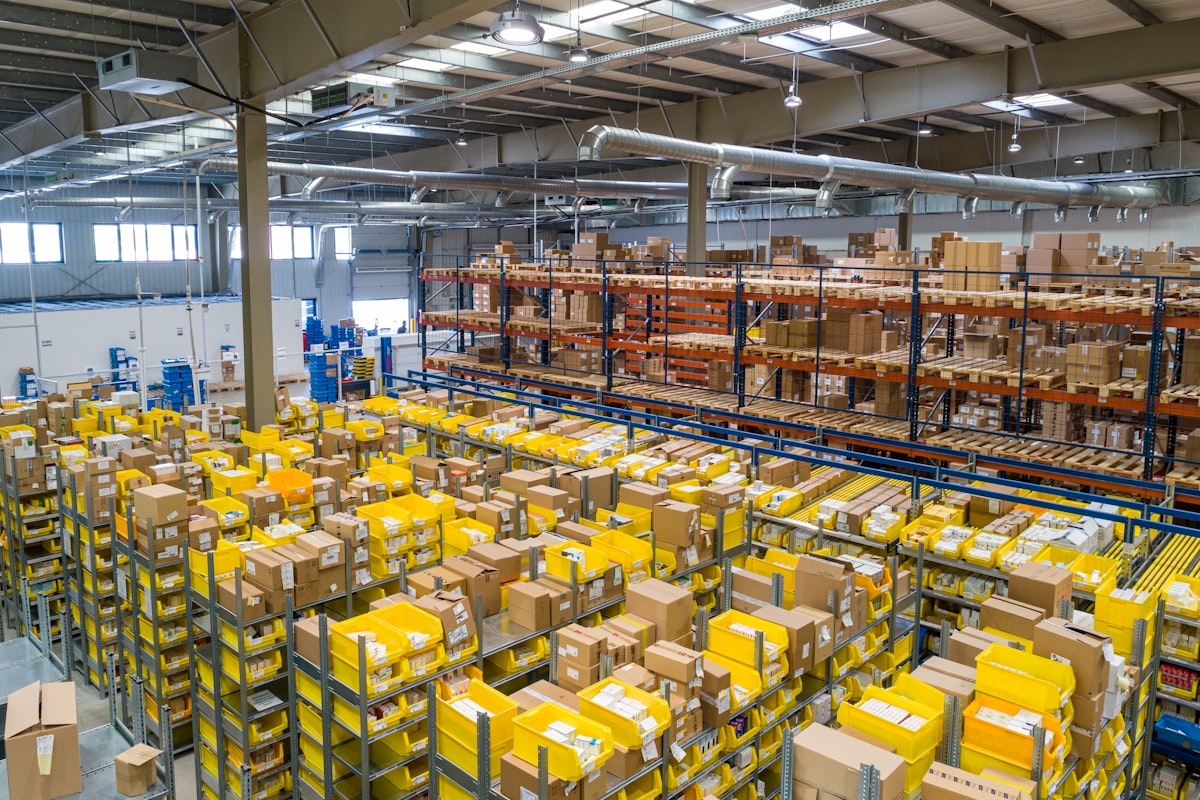
Heavy-Duty Warehouse Floor Scrubbing & High-Efficiency Desert Dust Extraction Protocols — Mayberry's Maids (702) 474-6243
Across the industrial arteries of Clark County—from the exhibit fabrication shops along Cameron Street and Post Road to the high-bay logistics centers hugging Valley View and the North Las Vegas Industrial corridor—facility directors face an invisible balance-sheet drain: the Mojave Dust Tax. It is not an assessment levied by the Department of Revenue; it is an aggressive mechanical tax exacted directly upon your air-handling units, inventory staging floors, and bottom-line capital expenditures.
Exhibit builders, structural staging specialists, and light industrial operators often assume standard janitorial equipment is adequate to keep pace with shop-floor debris. In reality, deploy standard commercial uprights or hardware-store dry vacuums against Nevada sediment, and you are not removing particulate—you are mechanically aerosolizing a crystalline abrasive straight into your overhead rooftop package units (RTUs).
The Mineral Physics of Caliche: Why Nevada Dust Defies Conventional Cleaning
Nevada soil is not benign organic loam. The southern basin is dominated by caliche—a hardened layer of calcium carbonate, fine-grain quartz, and fractured silicate. When forklifts, rolling gantry cranes, and scissor lifts grind incoming desert dust against unsealed or epoxy-coated concrete, the mechanical shearing reduces these particles down to sub-micron dimensions (often between 0.3 and 2.5 microns).
Under scanning electron microscopy, caliche dust displays sharp, irregular crystalline facets with acute aspect ratios. When sucked into an off-the-shelf single-stage commercial vacuum:
- Filter Permeation: Standard single-stage or dual-stage cartridge filters capture particulate down to roughly 5 to 10 microns. Particles smaller than 3 microns pass straight through paper media and bypass exhaust gaskets.
- Thermal Re-Atomization: The vacuum motor’s high-velocity exhaust pressurizes this fine silicate, turning the tool into a plume-generating aerosolizer that suspends microscopic abrasive dust in the facility's ambient thermal column.
- Coil Infiltration: Suspended caliche travels unimpeded into return-air plenums. Once inside rooftop HVAC units, moisture on the cooling coils reacts with the calcium carbonate, cementing the silicate into a rock-hard crust that degrades heat transfer, freezes expansion valves, and drastically shortens compressor lifespan.
For operations balancing CNC router dust, medium-density fiberboard (MDF) particles, and heavy exhibit build cycles, dry broom sweeping and economy vacuuming are simply destructive. Protecting your investment requires dedicated industrial warehouse floor scrubbing and sawdust extraction protocols capable of neutralizing particle cohesion at the floor level before it reaches the breathing zone.
The Chemistry of Abatement: Surfactant Dwell Times vs. Mechanical Agitation
Vacuum extraction is only the mechanical half of the equation; chemical surface tension is the other. Caliche particulate carries a static electrostatic charge that binds it tightly to concrete porous micro-fissures and floor paint. Rushing through a floor pass with clean water or an improper neutral detergent only moves slurry into expansion joints.
"Standard cleaning operations overlook the thermodynamics of desert evaporation. If your wet cleaning solution does not incorporate an industrial surfactant with a calibrated 8- to 10-minute wet chemical contact dwell time, the carrier water flashes off in our single-digit humidity before the dust can be suspended, leaving concrete pores choked with calcified residue."
Engineered industrial extraction demands a four-stage containment process:
- Certified 4-Stage True HEPA Capture: Primary mechanical filtration, secondary cyclonic deceleration, tertiary intermediate micro-filters, and an independently certified HEPA final stage rated at 99.97% efficiency at 0.3 microns.
- Surfactant Pre-Conditioning: Applying an engineered, low-foaming alkaline or specialized neutral surfactant engineered to break the water’s surface tension and dissolve calcium matrixes.
- Hydraulic Cylindrical Scrubbing: Counter-rotating cylindrical brushes that physically lift both heavy sawdust chips and micro-silicates simultaneously into recovery tanks, rather than smearing them across the surface.
- Immediate Positive-Pressure Vacuum Recovery: High-CFM squeegee recovery that lifts the suspended emulsion completely off the slab before flash evaporation occurs.
W-2 Chain of Custody: Security in High-Value Exhibit Facilities
Industrial exhibit builders along the Cameron and Post Road corridors regularly house multi-million-dollar custom convention properties, proprietary client trade show concepts, and advanced audio-visual assets. Bringing an unvetted, transient subcontracted labor force into these environments exposes management to catastrophic liabilities—from equipment damage to intellectual property theft.
At Mayberry's Maids, industrial sanitation is governed by disciplined, rigorous W-2 security protocols. Fully uniformed, background-checked career personnel work under direct operational supervision, ensuring your tooling, confidential booth designs, and secured materials remain untouched while hazardous floor sediment is methodically eradicated.
The 5-Minute Nighttime Walkthrough: 4-Point Mojave Dust Audit
Plant managers and shop leads can execute this rapid diagnostic inspection across their facility floor tonight to see if their current cleaning regime is compounding HVAC deterioration:
- 1. The High-Ledge Wipe Test (Thermal Lift): Climb a safety ladder and run a black nitrile-gloved finger along the top edge of an electrical conduit box or low-hung pendant light 12 feet above the shop floor. If the residue is chalky, chalk-white, and gritty (rather than soft and gray), your vacuums are blowing caliche upward into your RTU intakes.
- 2. The Expansion Joint Seam Check: Scrape a flat-head screwdriver along an unsealed slab control joint. If it pulls out dry, packed white powder underneath a clean surface wash, your sweepers are merely burying calcified grit into the structural slab.
- 3. The Air Return Static Plaque: Inspect your HVAC return grilles in the shop office or breakroom. A heavy accumulation of fuzzy, cementitious buildup indicates micro-silicates have bypassed primary staging filters and are actively plating the fan squirrel cages and coils.
- 4. The Equipment Exhaust Footprint: Turn your current shop vacuum on over a freshly wiped section of dark floor sheeting in a dark room and shine an LED flashlight parallel to the exhaust port. A visible plume or cloud indicates instant filter blow-by.
Defend Your Equipment and Air Quality with Clark County's Seasoned Experts
For more than 35 continuous years, Gil and the operational teams at Mayberry's Maids have protected commercial and light industrial infrastructure across Clark County from the unique abrasive realities of the Mojave Desert. Operating from our central headquarters in the 89103 corridor, we design tailored, scheduled industrial maintenance programs that safeguard capital investments, improve indoor air quality, and keep fabrication spaces audit-ready year-round.
Stop subsidizing the Mojave Dust Tax through premature HVAC replacements and damaged shop machinery. Contact Gil directly today at (702) 474-6243 or email sales@wecleanlasvegas.com to schedule a complimentary 15-minute on-site walkthrough inspection of your facility floor and air-handling layout.

Comments
Post a Comment