The Mojave Dust Tax: Why Standard Commercial Vacuums Choke in Nevada and Damage Your HVAC System
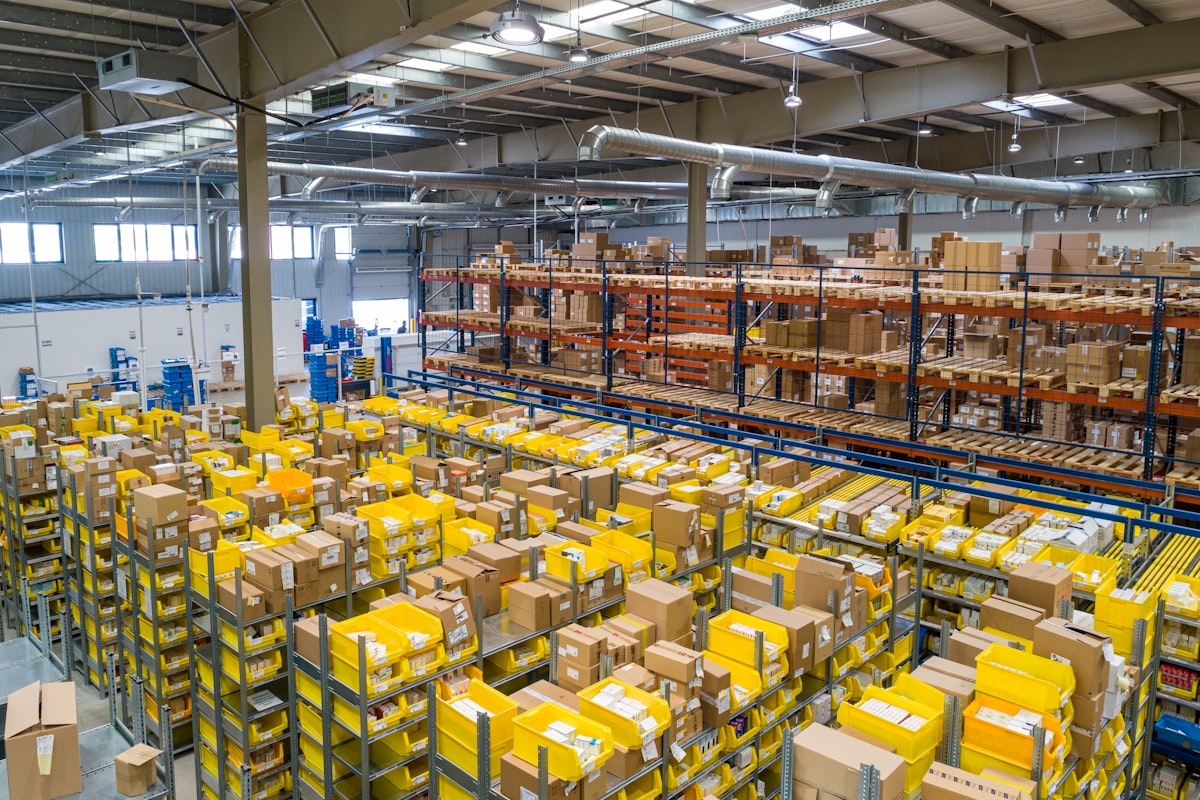
Heavy-Duty Warehouse Floor Scrubbing & High-Efficiency Desert Dust Extraction Protocols — Mayberry's Maids (702) 474-6243
Across the high-velocity manufacturing bays lining Post Road, Cameron Street, Valley View Boulevard, and the North Las Vegas industrial sector, a silent, abrasive operational overhead eats into equipment longevity every single shift. Facility directors overseeing exhibit fabrication, scenic staging, custom millwork, and advanced light industrial assembly regularly fight an invisible enemy: the Mojave Desert’s hyper-arid mineral load compounded by manufacturing particulate.
The Caliche Physics Problem: Why Conventional Vacuums Fail
Nevada soil is not ordinary dirt. The Las Vegas Valley basin is rich in caliche—a natural sedimentary layer composed of calcium carbonate, clays, and crystalline silica micro-aggregates. When dry industrial winds scour the surrounding basin and interact with heavy roll-up bay traffic, pulverised caliche infiltrates building envelopes. At the microscopic scale, caliche particles register between 0.5 and 3.0 microns with a Mohs hardness rating approaching 7.0, giving them razor-sharp crystalline structures.
When this ambient mineral particulate blends with MDF dust, acoustic panel fibres, hardwood micro-shavings, and CNC composite swarf, standard single-stage commercial shop-vacuums become active dispersal hazards. Standard paper-cartridge or single-stage cloth filters trap larger wood chips (50+ microns) but instantly rupture or blind when inundated with sub-micron silica dust. As a result, the vacuum’s high-velocity exhaust motor acts as an aerosoliser, propelling microscopic abrasive cutting agents straight into the facility air column.
“The true cost of using conventional shop equipment for heavy silica and composite extraction isn't just a clogged cartridge filter; it's the accelerated wear on rooftop makeup air units and the compounding respiratory load inside active production spaces.”
The Mechanical Cascade: How Extraction Failure Destroys Commercial HVAC
Once caliche-silica dust is expelled into the ambient production air, your HVAC system becomes your building's unintended secondary vacuum. In high-cube industrial facilities, thermal bridging and hot-air stratification pull these suspended particulate clouds toward overhead return plenums. The consequences are rapid and severe:
- Static Pressure Spikes: Sub-micron dust coats pre-filters and MERV-rated secondary banks in days rather than months, driving up static head pressure across rooftop package units.
- Evaporator Coil Thermal Insulation: As calcium-rich dust meets condensation on commercial cooling coils, it hydrates and hardens into an insoluble crust. This drops thermal transfer efficiency by up to 35%, forcing compressors into continuous high-load cycles during triple-digit desert heat.
- Blower Motor Bearing Abrasion: Caliche’s hardness profile grinds down unsealed bearings, shortens belt life, and leads to premature motor burnout across commercial supply fans.
Mitigating this operational drag requires professional industrial warehouse floor scrubbing and sawdust extraction protocols capable of capturing dust at the molecular and surface levels before it migrates into mechanical infrastructure.
Engineered Remediation: True 4-Stage HEPA and Wet-Contact Chemistry
Eliminating the Mojave dust tax requires a systematic, two-pronged containment methodology:
- True 4-Stage Cyclonic HEPA Extraction: Primary cyclonic drop-out chambers separate heavy sawdust and composite debris; secondary conical mechanical filters trap medium particulate; micro-pore tertiary barriers capture fines; and certified HEPA canisters capture 99.97% of particulate down to 0.3 microns. By the time exhaust air rejoins the facility, its particle count matches cleanroom baseline standards.
- Surfactant Wet Chemical Dwell Dynamics: Dry sweeping is an operational violation that atomises settled silica. Remediation requires industrial ride-on scrubbers running alkaline surfactant blends. The chemistry must maintain a strict 8-to-10-minute wet chemical contact dwell time to break surface tension, encapsulate bonded calcium-silica crusts, and suspend them for immediate vacuum recovery without re-entraining abrasive dust into your ambient air.
Operational Chain of Custody: Direct W-2 Technicians vs. 1099 Contractors
Exhibit builders, scenic fabrication shops, and commercial light industrial operators deal with proprietary blueprints, high-value prototypes, and expensive trade-show staging assets destined for the Las Vegas Convention Center or Mandalay Bay. Entrusting facility sanitation to outsourced third-party 1099 sub-crews exposes companies to catastrophic liability, theft risks, and OSHA non-compliance.
For over 35 continuous years in Clark County, Mayberry's Maids has maintained an absolute operational standard: fully uniformed, background-verified, direct W-2 employees trained in industrial safety, hazardous dust containment, and site-security integrity. We protect your physical capital, intellectual property, and internal production continuity without third-party handoffs.
The 5-Minute Production Facility Self-Audit
Before closing your roll-up doors tonight, run this 4-point diagnostic across your warehouse or scenic shop floor:
- 1. The Return Air Register Wipe: Inspect the louvres of your lowest HVAC return register. If you see a cement-like, whitish-grey coating rather than soft grey lint, caliche silica is actively bypassing your production extraction and coating your coils.
- 2. The Structural I-Beam Touch Test: Run an index finger across the top flange of an overhead structural steel joist at 14 feet. If particulate accumulation exceeds 1/16th of an inch, your current vacuums are aerosolising debris rather than extracting it.
- 3. The Vacuum Exhaust Plume Check: Turn on your primary shop vacuum in a concentrated beam of LED light with the extraction hose closed. If you observe any visible particulate plume or hazing exiting the exhaust port, the unit is actively contaminating your facility.
- 4. The Concrete Pore Slurry Test: Pour four ounces of clean water onto your high-traffic concrete slab. If the water beads or turns murky grey without soaking in, concrete pores are choked with compacted saw micro-fines and caliche, making standard sweeping useless.
Schedule Your Plant Walkthrough Inspection
If your facility fails two or more points on the self-audit, standard janitorial protocols are silently inflating your HVAC overhead and capital depreciation. Stop paying the Mojave dust tax. Contact our central hub in 89103 to schedule a complimentary 15-minute on-site facility walkthrough inspection directly with our owner, Gil. Call (702) 474-6243 or email sales@wecleanlasvegas.com to audit your extraction operations today.

Comments
Post a Comment