The Mojave Dust Tax: Why Standard Commercial Vacuums Choke in Nevada and Destroy Industrial HVAC Systems
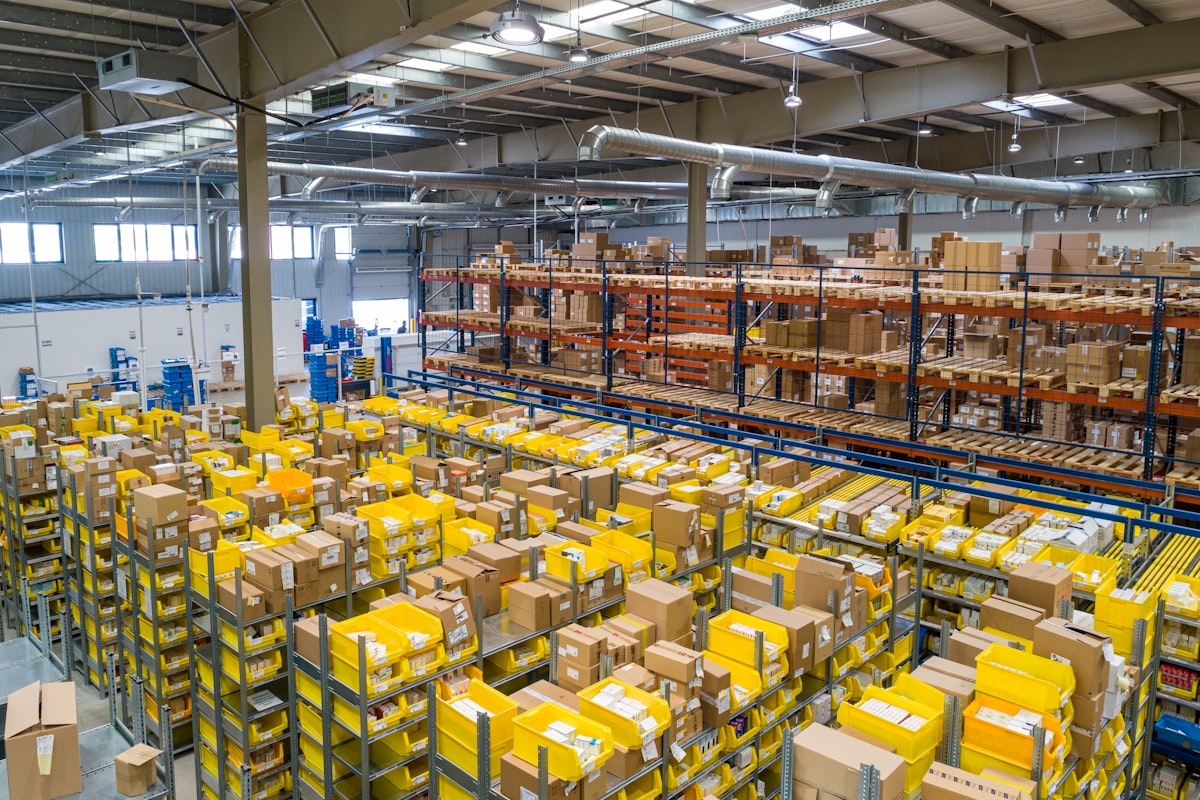
Heavy-Duty Warehouse Floor Scrubbing & High-Efficiency Desert Dust Extraction Protocols — Mayberry's Maids (702) 474-6243
Along the bustling industrial arteries of the Las Vegas Valley—from the fabrication hubs flanking Post Road and Cameron Street to the high-bay flex spaces off Valley View and North Las Vegas Industrial parkways—a silent financial drain operates around the clock. Facility managers and exhibit fabrication directors often write off frequent air handling unit (AHU) motor burnouts, clogged coils, and gritty surface settlements as standard operating friction. In reality, they are paying the “Mojave Dust Tax.”
Nevada’s native soils do not behave like standard continental dirt. When heavy trade show exhibits, custom scenic builds, and precision architectural millwork mix with the desert’s geology, standard commercial custodial equipment fails. Worse, typical janitorial procedures actively degrade your capital assets by atomizing abrasive particulates directly into your facility’s breathing zone and return air plenums.
The Physics of Caliche and Sawdust: Why Off-the-Shelf Vacuums Fail
To understand why off-the-shelf single-stage or dual-stage commercial shop vacuums choke in Clark County, one must examine the geology of the desert basin. Southern Nevada soil is saturated with caliche—a concrete-like sedimentary deposit formed when calcium carbonate bonds with desert silt, clays, and sharp silica micro-crystals. When heavy machinery, forklifts, and roll-up bay doors disturb this terrain, caliche breaks down into sub-micron dust particles ranging from 0.5 to 5 microns in diameter.
In exhibit fabrication and light manufacturing spaces, this ultra-fine alkaline dust collides with fine MDF, laminate, and hardwood sawdust. When a standard commercial vacuum pulls in this compound:
- Pore Blindness Occurs in Minutes: Standard cloth or paper bag filters possess pore sizes between 20 and 50 microns. The sub-micron caliche instantly bridges and blinds the filter weave, causing static pressure to spike, airflow (CFM) to drop precipitously, and the motor to overheat.
- The Aerosolization Effect: As backpressure mounts, fine particulate escapes past structural gaskets and porous exhaust baffles. Rather than containing the dust, the vacuum acts as an aerosolizer, expelling billions of PM2.5 and PM10 particles into ambient air currents.
- HVAC Impingement: Once airborne, these abrasive, highly alkaline silica particles are pulled into rooftop package units (RTUs). Caliche binds tenaciously to evaporator condensate, creating an insoluble, corrosive crust on cooling fins, eroding blower motor bearings, and drastically inflating commercial utility draw.
Mitigating this destructive cycle requires specialized industrial warehouse floor scrubbing and sawdust extraction protocols engineered specifically for the harsh micro-climates of Southern Nevada.
Engineering Containment: 4-Stage HEPA and Wet Chemical Dwell Times
Remediating high-particulate industrial spaces requires an engineering-first strategy that integrates staged mechanical filtration with wet surface chemistry:
1. Certified 4-Stage HEPA Extraction
True particulate capture relies on a graduated filtration cascade. Stage one utilizes cyclonic separation to drop 95% of heavy sawdust and grit out of the airstream before touching a filter. Stage two applies an electrostatically charged pre-filter to catch 5-to-10-micron caliche debris. Stage three incorporates an intermediate micro-filter, and stage four concludes with a certified, individually tested H14 HEPA exhaust filter capable of retaining 99.97% of particles down to 0.3 microns. This keeps exhaust air cleaner than ambient warehouse air and spares your HVAC coils from abrasive loading.
2. Chemical Dwell Times and Surface Neutralization
Caliche is naturally alkaline (pH 8.0 to 9.5). When dry sweeping occurs, microscopic alkaline needles score floor sealants and bare polished concrete, accelerating slab dusting. Decontamination requires targeted wet scrubbing with pH-neutral or slightly acidic surface-tension breakers that penetrate microscopic concrete pores. To achieve true particulate emulsification and microbial sanitization in breakrooms and production floors, chemistry must maintain a wet contact dwell time of at least 5 to 10 continuous minutes before mechanical extraction. Flash-mopping with saturated, dirty string mops merely redistributes caliche slurry into joint lines and slab cracks.
"Standard cleaning equipment is designed for office lint, not Mojave geology. When you exhaust fine caliche silica back into a high-bay facility, you are effectively sandblasting your own HVAC infrastructure."
The 5-Minute Evening Diagnostic Rubric for Facility Managers
Before closing your bay doors tonight, walk through your shop or warehouse along Valley View, Post Road, or North Las Vegas. Run this 4-point diagnostic self-audit to determine if your current janitorial setup is silently damaging your facility:
- The Return Air Grille Wipe: Take an alcohol wipe to the louvers of your lowest HVAC return air register. If the residue is chalky, white-gray, and abrasive between your fingertips (rather than dark, soft fibrous lint), your vacuum exhausts are leaking caliche into your ductwork.
- The 60-Second Flashlight Cone: In a completely dark warehouse aisle, shine a high-lumen, focused tactical light toward the ceiling. If you see thousands of twinkling floating specks suspended in the air minutes after sweeping, your team is aerosolizing settled dust rather than capturing it.
- The Vacuum Gasket Ring Check: Inspect your facility’s current commercial vacuum drums. Remove the head unit. If fine, powdery dust covers the motor housing, wiring harness, or bypass chamber around the seal, the unit is running in bypass failure and blowing hazardous silica throughout your space.
- The Concrete Joint Friction Test: Scrape the edge of a plastic putty knife or a coin along your slab control joints. If a dense, caked, gray-brown paste lifts out, wet slurry has been repeatedly swept or mopped into the expansion seams, where it will dry, swell, and spall the slab edges under forklift impact.
Operational Security and Facility Protection in Clark County
Exhibit builders, scenic fabrication shops, and light assembly plants house high-value client assets: custom trade show prototypes, sensitive electrical distribution modules, and proprietary trade exhibits heading to the Las Vegas Convention Center or Mandalay Bay. Entrusting these facilities to gig-economy sub-contractors or revolving temporary staff poses severe operational and security liabilities.
Enterprise risk management demands custodial partners who employ verified, vetted, direct W-2 team members trained under strict industrial safety and non-disclosure standards. Professional technicians understand how to navigate delicate scenic rigging, maintain clear safety zones around CNC routers, and prevent fine dust from settling across newly finished trade displays.
With more than 35 continuous years operating under Gil’s hands-on leadership from our central NV 89103 operational hub, Mayberry's Maids has developed specialized floor-to-ceiling decontamination procedures designed specifically for the aggressive environmental factors of the Mojave Desert.
Protect Your Equipment and Air Quality
Stop paying the hidden Mojave Dust Tax through premature HVAC failures, poor indoor air quality, and scratched floor finishes. To assess the particle containment and structural hygiene of your light industrial or exhibit fabrication space, contact our commercial operations team.
We invite building owners and facility engineers to schedule a complimentary 15-minute on-site walkthrough inspection with Gil directly. Call our Las Vegas headquarters today at (702) 474-6243 or email our commercial desk at sales@wecleanlasvegas.com to secure an expert site evaluation.

Comments
Post a Comment