The Mojave Dust Tax: Why Standard Commercial Vacuums Choke in Nevada and Damage Your HVAC System
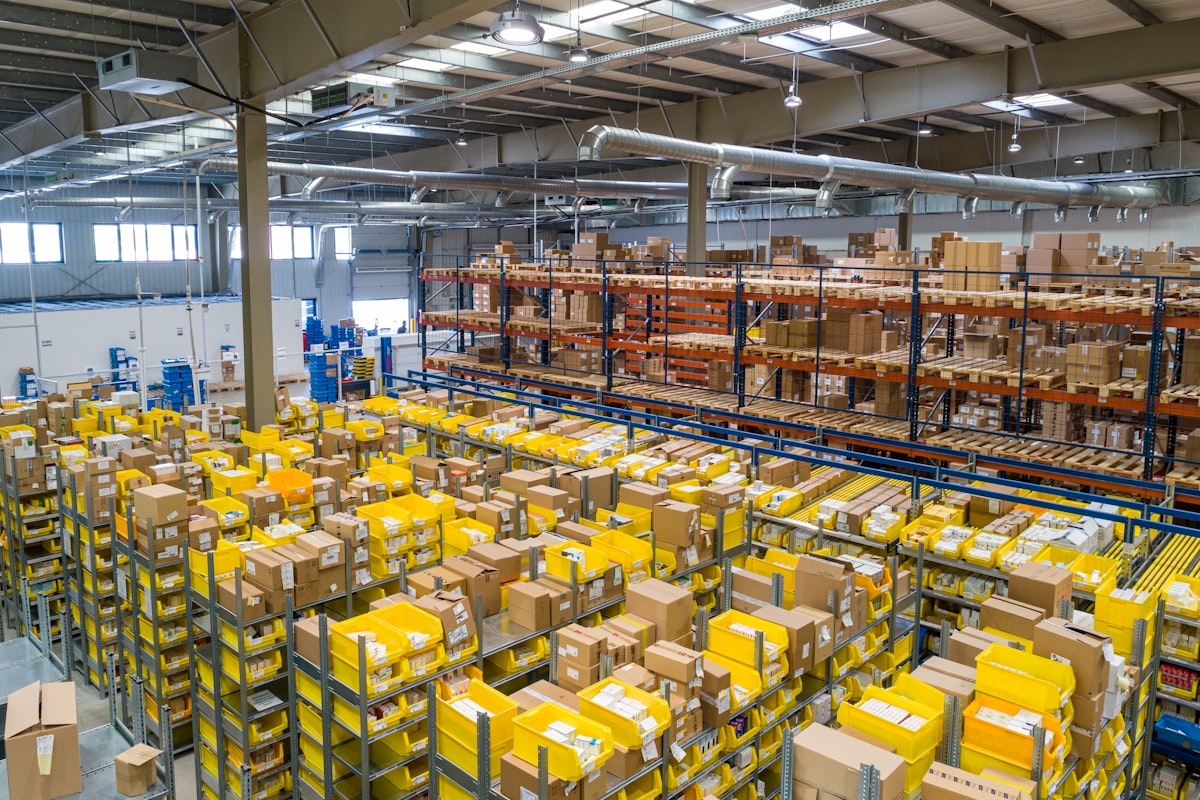
Heavy-Duty Warehouse Floor Scrubbing & High-Efficiency Desert Dust Extraction Protocols — Mayberry's Maids (702) 474-6243
Along the industrial corridors flanking Valley View Boulevard, Cameron Street, Post Road, and the high-bay distribution clusters of North Las Vegas, operations directors share an invisible, recurring balance-sheet penalty: the Mojave Dust Tax. Light industrial plants, trade-show exhibit fabricators, and modular display builders operate under thermal and particulate conditions found nowhere else in North America. When high-volume CNC routing, composite finishing, and timber cross-cutting collide with indigenous desert soils, standard facility maintenance regimes collapse within months.
The core vulnerability lies inside a fundamental misunderstanding of regional geology and commercial air handling. Facility managers often equip cleaning crews with conventional single-stage or dual-stage commercial upright vacuums purchased from broadline janitorial suppliers. In Southern Nevada, that procurement decision systematically degrades rooftop HVAC equipment and compromises indoor air quality.
The Mineralogy of Failure: Caliche Silica Dust Physics
Nevada desert soil is not inert sand. It is heavily composed of caliche—a hardened, calcium-carbonate-cemented soil layer laden with microscopic crystalline silica particles. When heavy yard traffic, bay-door cycling, and forklift movement mobilize this substrate, it enters the facility at particulate sizes ranging from 0.5 to 10 microns (PM2.5 and PM10).
Under a microscope, caliche silica particulate exhibits extreme angularity and a Mohs hardness rating between 6.0 and 7.0. When standard commercial vacuums pull this abrasive compound across carpet runners, epoxy walkways, and concrete subfloors, two catastrophic mechanical failures occur:
- Aerosolization via Exhaust Impellers: Standard commercial vacuums deploy porous multi-ply paper or low-grade spun-bond synthetic collection bags rated no better than MERV 8 to 11. These filters pass particles under 3 microns straight through the porous filter media. Rather than capturing caliche, the vacuum’s high-velocity exhaust impeller acts as an aerosol generator, pulverizing silica shards against the fan housing and blowing super-fine particulate into the facility's ambient breathing zone.
- Static Pressure Spikes in Return Plenums: Once airborne, these microscopic particles bypass warehouse floor drop-traps and are drawn directly into return air plenums. Over weeks, fine silica settles onto wet condensate pans and evaporator coil fins, forming a concrete-like calcified crust that chokes heat transfer, spikes compressor amperage draw, and triggers early blower-motor bearing failure.
The Exhibit Fabricator’s Compounded Crisis
For custom exhibit builders constructing sprawling multi-story booths for Mandalay Bay, the Las Vegas Convention Center, and the Venetian Expo, the dust problem multiplies. Wood shop sawdust, MDF urea-formaldehyde fines, and aluminum turnings carry completely different densities and moisture levels than desert caliche.
When dry silica binds with wood resin and synthetic adhesive overspray, it creates a gummy, hygroscopic residue on finished concrete slabs. Sweeping compounds only smear this matrix into the slab’s micro-pores. To mitigate dust migration into adjacent corporate office spaces and design bullpens, facilities require closed-loop mechanical remediation—specifically, engineered industrial warehouse floor scrubbing and sawdust extraction utilizing multi-disc scrub heads and continuous cylindrical sweep-scrub systems.
Engineering True Containment: 4-Stage HEPA and Wet Chemistry
Treating Mojave industrial facilities requires equipment built to hazardous containment standards. At Mayberry's Maids, our commercial protocols discard off-the-shelf vacuums in favor of true multi-stage filtration architectures designed to arrest caliche at the floor level before it ever touches air handlers:
- Cyclonic Pre-Separation: Diverts heavy chips, metal shavings, and macroscopic timber dust out of the primary air path before striking filter surfaces.
- Intermediate Micro-Fabric Membrane: Arrests medium-range particulates down to 1.0 micron, shielding subsequent stages from surface cake blinding.
- Certified HEPA Media Stage: Individually tested borosilicate glass-fiber filters capturing 99.97% of particulates down to 0.3 microns, preventing silica aerosolization.
- Post-Motor Exhaust Diffusion: Low-velocity exhaust baffling that mitigates floor turbulence, ensuring settled dust along shop perimeters is not re-suspended into the room during transit.
Equally critical is the chemistry applied to the slab. High-alkaline desert soils require neutral-pH or slightly acidic surfactant blends that cut saw resin without dissolving sealed concrete joints. Furthermore, wet chemical contact dwell times must be calculated meticulously: in Las Vegas’s sub-15% ambient humidity, cleaning chemistry evaporates rapidly. Scrubbing regimes must continuously saturate the substrate for a minimum 8-to-10-minute dwell window to encapsulate microscopic particulates before vacuum recovery squeegees reclaim the emulsion.
“If your nightly cleaning crew uses conventional dry mops and standard commercial sweepers, they are not cleaning your facility. They are merely vacuuming dust off the floor and depositing it directly onto your HVAC coils.”
The 5-Minute Industrial Facility Self-Audit
Facility directors along the Post Road or Valley View industrial spines can assess their building’s vulnerability tonight using this straightforward diagnostic checklist:
- 1. The Return Air Grille Wipe: Run a white micro-fiber cloth along the bottom lip of an office return-air grille adjacent to the shop floor. If the residue feels gritty and shows an off-white, grayish-tan tint rather than soft gray lint, caliche silica is actively bypassing your perimeter defenses and entering your HVAC loop.
- 2. The Vacuum Exhaust Beam Test: Turn off high-bay lights, switch on your facility’s current cleaning vacuum, and shine a focused 1,000-lumen flashlight beam through the machine’s exhaust port. If you observe a shimmering halo of suspended micro-dust in the beam, the machine is aerosolizing hazardous particulates into your work environment.
- 3. The Slab Porosity Scratch Check: In a high-traffic forklift transit lane, examine the raw or sealed concrete under magnification. Visible micropores filled with dark, compacted fines indicate failed wet extraction, meaning routine dry sweeping is grinding abrasive dust into the substrate.
- 4. Crew Background and Security Compliance: Review the credentialing of the cleaning team on your floor tonight. Are they unvetted, transient subcontractors lacking verified I-9s and industrial safety training, or are they W-2 employed professionals operating under strict industrial safety and non-disclosure standards to protect proprietary trade-show engineering?
Protect Your Capital Assets
For more than 35 continuous years across Clark County, Gil and the team at Mayberry’s Maids have engineered site-specific contamination-control protocols for Nevada’s most demanding manufacturing, staging, and warehousing environments. We do not use residential shortcuts or broad-stroke assumptions.
Stop paying the Mojave Dust Tax on replacement coils, fouled electronics, and elevated compressor wear. Contact our central hub in NV 89103 today to schedule a comprehensive, complimentary 15-minute on-site walkthrough inspection directly with Gil. Call (702) 474-6243 or email sales@wecleanlasvegas.com to baseline your facility’s indoor environmental health.

Comments
Post a Comment