The Mojave Dust Tax: Why Standard Commercial Vacuums Choke in Nevada and Damage Your HVAC System
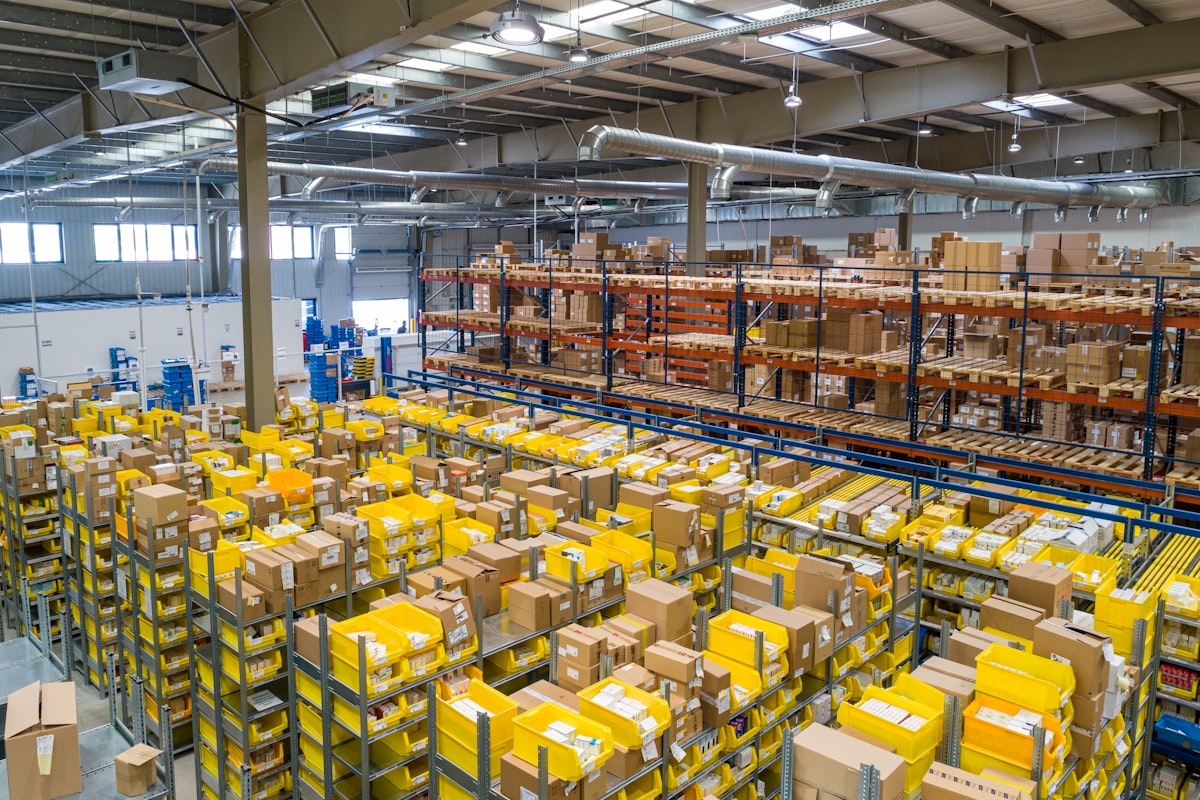
Heavy-Duty Warehouse Floor Scrubbing & High-Efficiency Desert Dust Extraction Protocols — Mayberry's Maids (702) 474-6243
Across the industrial arteries of Clark County—from the fabrication warehouses flanking the Post Road and Cameron Street corridors to the high-throughput logistics hubs along Valley View and North Las Vegas Industrial—plant managers fight an unseen, relentless adversary. It is not merely dirt. It is what local facility engineers call the Mojave Dust Tax: an aggressive compounding of calcium-carbonate-cemented soil, microscopic crystalline silica, and shop-floor particulate that systematically ruins industrial vacuum assemblies, contaminates high-tolerance fabrication bays, and chokes rooftop HVAC units (RTUs) into catastrophic failure.
The Physics of Caliche Silica: Why Standard Janitorial Vacuums Fail
To understand why typical off-the-shelf janitorial vacuums fail within weeks on a Las Vegas shop floor, one must examine the geology of the Las Vegas Valley. Southern Nevada topsoil is rich in caliche—a hardpan composite formed when calcium carbonate precipitates and binds gravel, sand, clay, and silt into a natural concrete. When heavy machinery, forklifts, and industrial foot traffic crush this material, it breaks down into jagged, sub-micron particulates ranging from 0.5 to 5 microns in diameter.
Standard commercial vacuums rely on single-stage or low-grade dual-stage cartridge filtration. When caliche dust hits these filters, three operational failures occur immediately:
- Rapid Pore Blindness: Caliche’s hyper-fine crystalline structure penetrates deep into standard paper and woven polyester filter pores, blinding the media in minutes and causing severe vacuum motor cavitation.
- Exhaust Blow-Through & Aerosolization: As static pressure spikes, bypass valves open or micro-tears develop in the filter substrate. Instead of capturing particulate, standard vacuums turn into high-powered aerosols, discharging billions of sub-micron silica particles directly into the breathing zone.
- Abrasive Motor Bearing Erosion: Silica has a Mohs hardness rating of 7.0. Once exhausted particulate breaches the motor housing, it rapidly scours motor bearings, strips armature commutators, and burns out vacuum impellers.
When custom tradeshow display builders along Cameron Street route MDF, high-pressure laminates, and aluminum extrusions, the problem compounds. Wood fiber blends with atmospheric caliche, creating a dense, hygroscopic particulate mixture that standard janitorial equipment simply cannot handle. Managing these facilities demands true industrial-grade protocols, including specialized industrial warehouse floor scrubbing and sawdust extraction engineered specifically for severe particulate environments.
The Secondary Victim: How Floor Particulates Destroy Commercial HVAC Units
What fails on your warehouse floor never stays on your warehouse floor. The massive thermal differentials of the Mojave Desert force industrial RTUs and evaporative chillers to pull astronomical volumes of makeup air across your building envelope daily. When sub-micron dust remains suspended due to inadequate extraction, it enters the HVAC return air stream.
"Every pound of caliche and composite dust your vacuum fails to sequester is drawn directly into your return plenum. Within months, it bakes onto your evaporator coils, turns condensation pans into concrete-like sludge, and spikes your compressor amp draws until the entire system trips."
Once caliche silica coats the wet surface of an active evaporator coil, it hydrates and cures into an insulating crust. This radically reduces thermal heat transfer, forcing industrial compressors to run longer duty cycles during 115°F summer peaks. The result? Premature compressor seizure, burst coil loops, and catastrophic replacement expenses that could have been prevented with continuous, engineering-grade particulate remediation.
The Four-Stage Mitigation Standard for Light Industrial Plants
Industrial hygiene in extreme arid environments requires absolute mechanical containment and disciplined chemistry. At Mayberry's Maids, our commercial facility protocols rely on strict industrial containment benchmarks:
- Four-Stage True HEPA Filtration: Vacuum recovery systems must use multi-stage filtration ending in certified H14 HEPA media, capturing 99.97% of particles down to 0.3 microns. By catching the fine dust ahead of the exhaust, we eliminate the aerosolization loop entirely.
- Heavy Planetary Mechanical Scrubbing: Porous concrete slabs require high-torque cylindrical scrubbers that float the dust out of deep slab fissures using controlled fluid dispersal rather than aggressive dry sweeping that aerosolizes caliche.
- Calibrated Wet Chemical Contact Dwell Times: Dust suppression solutions, anti-static sealers, and broad-spectrum surface sanitizers require precise wet chemical contact dwell times—typically between 5 and 10 continuous minutes—to neutralize reactive particulates and bind free silica without destroying concrete surface hardness.
- W-2 Security & Asset Protection Protocols: Exhibit builders on Post Road and high-value fabricators across North Las Vegas cannot afford rotating temp-agency laborers roaming their facilities. Every facility technician deployed must be a strictly vetted, background-checked W-2 employee operating under NDA protocols to safeguard proprietary prototypes, specialized CNC machinery, and high-value materials.
The 5-Minute Nighttime Facility Diagnostic Rubric
Before closing your facility tonight, conduct this four-point operational audit across your production floor and back-office perimeters:
- 1. The Return Grille Static Cake Test: Inspect the primary return air register closest to your production bay. If you see a velvet-like grey fringe on the louver edges, your floor sweepers are aerosolizing caliche dust directly into your air handlers.
- 2. High-Bay Rafter Finger Swipe: Take a microfiber cloth to any horizontal I-beam or cable tray at the 12-to-15-foot elevation mark. If the particulate is gritty rather than fibrous, fine silica is drifting unimpeded throughout your facility.
- 3. The Threshold Micro-Sheen: Inspect the transitional floor between the fabrication shop and the executive offices. If carpet fibers crunch underfoot or concrete transitions exhibit a pale, chalky wash, track-out containment has completely failed.
- 4. Concrete Pore Saturation Check: Pour 2 ounces of clean water on a high-traffic concrete aisle. If the water turns cloudy grey within 15 seconds, the concrete pore structure is completely saturated with dormant caliche, waiting to be ground into airborne respirable silica by your next forklift pass.
Schedule an Operational Walkthrough for Your Facility
For more than 35 continuous years, Mayberry's Maids has engineered heavy commercial and light industrial cleaning solutions from our central operations hub in NV 89103. If your warehouse floor is showing signs of caliche saturation or vacuum failure, invite owner Gil directly to your facility for an evaluation.
Contact our commercial operations desk today at (702) 474-6243 or email sales@wecleanlasvegas.com to schedule a complimentary 15-minute on-site walkthrough inspection. Gil will personally evaluate your concrete porosity, HVAC intake risks, and extraction processes to help you end the Mojave Dust Tax permanently.

Comments
Post a Comment