The Mojave Dust Tax: Why Standard Commercial Vacuums Choke Nevada Facilities and Damage Industrial HVAC Systems
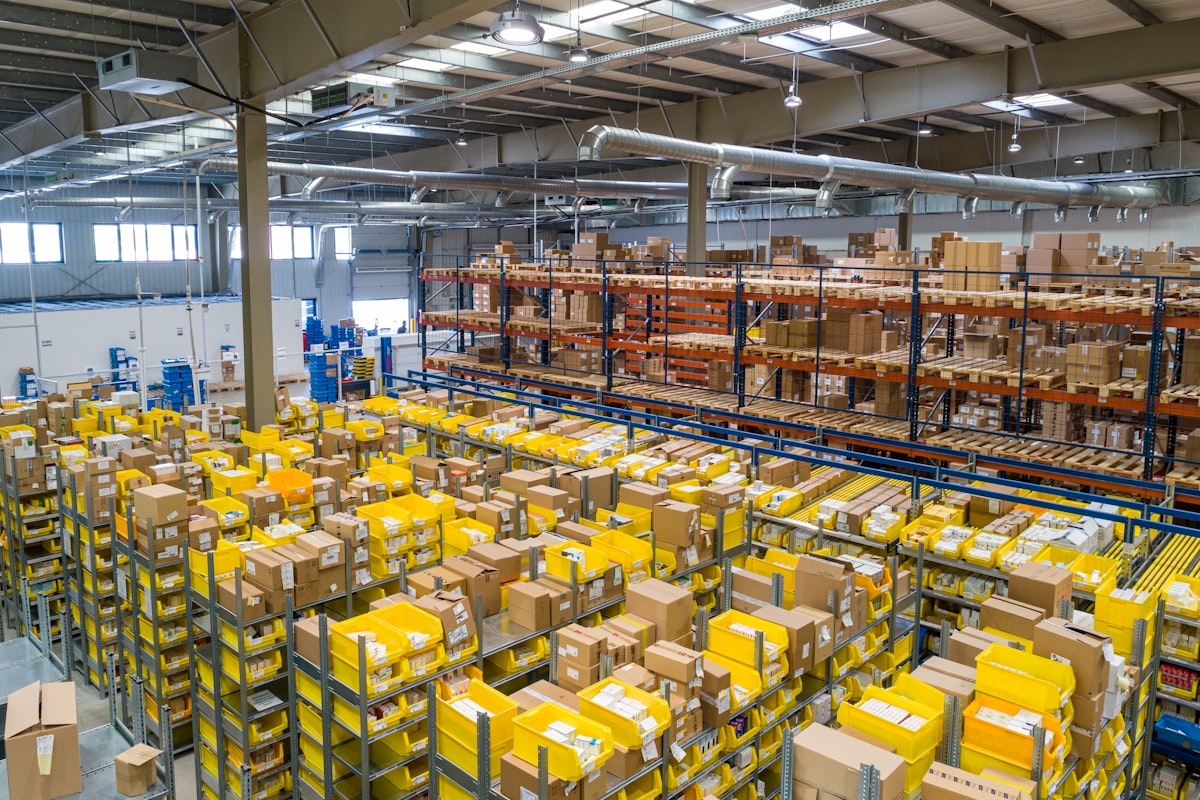
Heavy-Duty Warehouse Floor Scrubbing & High-Efficiency Desert Dust Extraction Protocols — Mayberry's Maids (702) 474-6243
Operating a light manufacturing plant, exhibit fabrication shop, or logistics warehouse across the Las Vegas Valley comes with an unwritten balance-sheet line item: the Mojave Dust Tax. From the busy distribution corridors along Post Road and Cameron Street to the light industrial pockets flanking Valley View and North Las Vegas, facility directors continually wage war against an airborne adversary unlike anything encountered in the Midwest or coastal markets.
The culprit is not simple surface dirt. It is caliche-laden, alkaline silica particulate. When facility managers rely on standard commercial janitorial vacuums or dry sweeping brooms to maintain concrete shop floors, they do not eliminate the hazard—they weaponize it against their own rooftop air handling units (RTUs) and make-up air systems.
The Physics of Mojave Caliche: Why Nevada Particulate Defeats Standard Sweepers
Southern Nevada soil is saturated with caliche—a hardened natural concrete composed of calcium carbonate, quartz silica, and clay minerals. When industrial traffic, heavy forklifts, and trade show crating pulverize this material, it fractures into jagged, sub-micron particulates ranging between PM10 and PM2.5.
Standard commercial uprights and utility canister vacuums sold through broadline janitorial distributors operate on simple single-stage bypass or dual-stage cloth collection systems. Under laboratory conditions with rounded organic dust, these units suffice. But against angular Mojave silica, two catastrophic mechanical failures occur:
- Electrostatic Filter Blinding: Caliche carries a strong static charge in Nevada’s single-digit relative humidity. The fine dust bonds instantly to woven filter pores, suffocating airflow within 90 seconds of continuous operation.
- Exhaust Blow-By Aerosolization: As static pressure spikes behind the choked filter, the high-velocity exhaust motor blows sub-micron silica straight through bypass seals and micro-tears in the collection bag. Instead of being extracted, pulverized rock is shot eight feet into the air, right into the facility’s thermal draft.
"If your cleaning crew runs a vacuum and you can smell that dry, warm, chalky metallic aroma in the ambient air, they aren’t capturing the Mojave dust—they are aerosolizing it directly into your HVAC intake plenums."
The Cascading Cost: How Aerosolized Dust Destroys Commercial HVAC
Once caliche particulate enters the thermal column, it drifts upward into ceiling trusses and is pulled into the return air ductwork. In industrial buildings across the Valley View and Cameron Street corridors, air handlers run under intense desert duty cycles. The aerosolized dust produces immediate mechanical degradation:
1. Evaporator Coil Cementation
When dry calcium carbonate dust passes over condensation-heavy air conditioner evaporator coils, a chemical reaction occurs. The moisture activates the latent binding agents in the caliche, forming a micro-layer of calcified cement across coil fins. This reduces thermal heat transfer efficiency by up to 30%, forcing compressors to run longer cycles in 115°F summer heat.
2. Static Pressure Spikes and Blower Burnout
As return duct filters load with alkaline fines within days rather than months, system static pressure skyrockets. Belt-driven blower motors overheat, ductwork joints separate under vacuum pressure, and variable frequency drives (VFDs) fault out, triggering costly emergency repair dispatches.
3. The Wood-and-Silica Agglomerate (Exhibit Builders Beware)
For custom exhibit builders and stage fabricators, the danger doubles. The hybridization of wood cellulose fibers from CNC cutting tables and fine ambient silica creates an aggressive, sticky matrix. When dry-swept, this combination coats electrical busways, pneumatic lines, and mechanical tooling. Preventing this buildup demands dedicated industrial warehouse floor scrubbing and sawdust extraction engineered specifically to neutralize airborne fines before they reach the ceiling deck.
The Engineering Solution: 4-Stage HEPA Filtration and True Dwell Chemistry
Remediating high-load desert facilities requires mechanical separation and fluid dynamics, not dry brooms and domestic-style equipment. Eliminating the Mojave Dust Tax requires a three-tiered technical protocol:
- True 4-Stage HEPA Capture: Commercial-grade industrial vacuums must utilize cyclonic bulk separation, an oversized mechanical pre-filter, a secondary micro-cloth barrier, and a certified, tested H14 HEPA final stage capable of retaining 99.97% of particles down to 0.3 microns without casing blow-by.
- Wet Chemical Contact Dwell Times: Dust cannot be scrubbed dry. Industrial scrubbers must lay down a low-foam, chelating detergent designed to break the surface tension of alkaline water. This fluid must maintain a wet contact dwell time of 8 to 10 minutes, lifting bonded silica from concrete micro-pores into suspension before powerful vacuum squeegees extract the slurry entirely off the premises.
- Strict W-2 Security and Custodial Discipline: Cleaning sensitive fabrication shops, warehouse bays, and secure distribution centers requires rigorously vetted personnel. Facilities should never rely on 1099 app-based labor. Professional operations demand background-checked, insured, E-Verified W-2 technical teams who understand lock-out/tag-out zones, OSHA slip-and-fall standards, and high-value project confidentiality.
The 5-Minute Facility Manager Self-Audit Rubric
Commercial property managers in Post Road, Valley View, or North Las Vegas can execute this diagnostic walk-through tonight to determine if their current janitorial setup is damaging building infrastructure:
- The Return Air Grille Friction Test: Rub an index finger along the top edge of a ceiling return grille. If the sediment is gray and greasy, it is airborne grease and tire soot. If it is chalky, off-white, and gritty, caliche silica is bypassing floor cleaning systems and entering the HVAC loop.
- The High-Bay Horizontal Ledge Check: Inspect the upper flanges of I-beams or top-of-wall ledges 10 feet off the floor. If accumulation exceeds 1/16th of an inch, conventional sweepers are exhausting dust upward rather than extracting it.
- The 90-Second Exhaust Beam Diagnostic: Hold a high-lumen tactical flashlight against the exhaust stream of your current commercial vacuum while it runs across a clean-looking section of concrete. Visible airborne plumes indicate filter blow-by and seal compromise.
- The Concrete Micro-Pitting Inspection: Look at high-traffic forklift lanes under direct overhead lighting. Dull, discolored, dusty pathways indicate that fine silica is acting as an abrasive compound under forklift tires, grinding down floor sealants and creating secondary dust plumes.
Partner with Las Vegas Industrial Cleaning Pioneers
For more than 35 continuous years, Mayberry's Maids has served as Clark County's trusted authority for rigorous commercial and industrial sanitation. Operating from our central facility in the 89103 zip code, our certified technicians understand the geology, climate, and mechanical challenges unique to Southern Nevada industrial spaces.
Protect your indoor air quality, preserve your expensive mechanical systems, and eliminate the Mojave Dust Tax. Contact Gil and the operational team today to schedule an exhaustive, complimentary 15-minute on-site walkthrough inspection of your facility. Call (702) 474-6243 or email sales@wecleanlasvegas.com to audit your facility's cleaning protocols.

Comments
Post a Comment