The Mojave Dust Tax: Why Standard Commercial Vacuums Choke in Nevada and Damage Your HVAC System
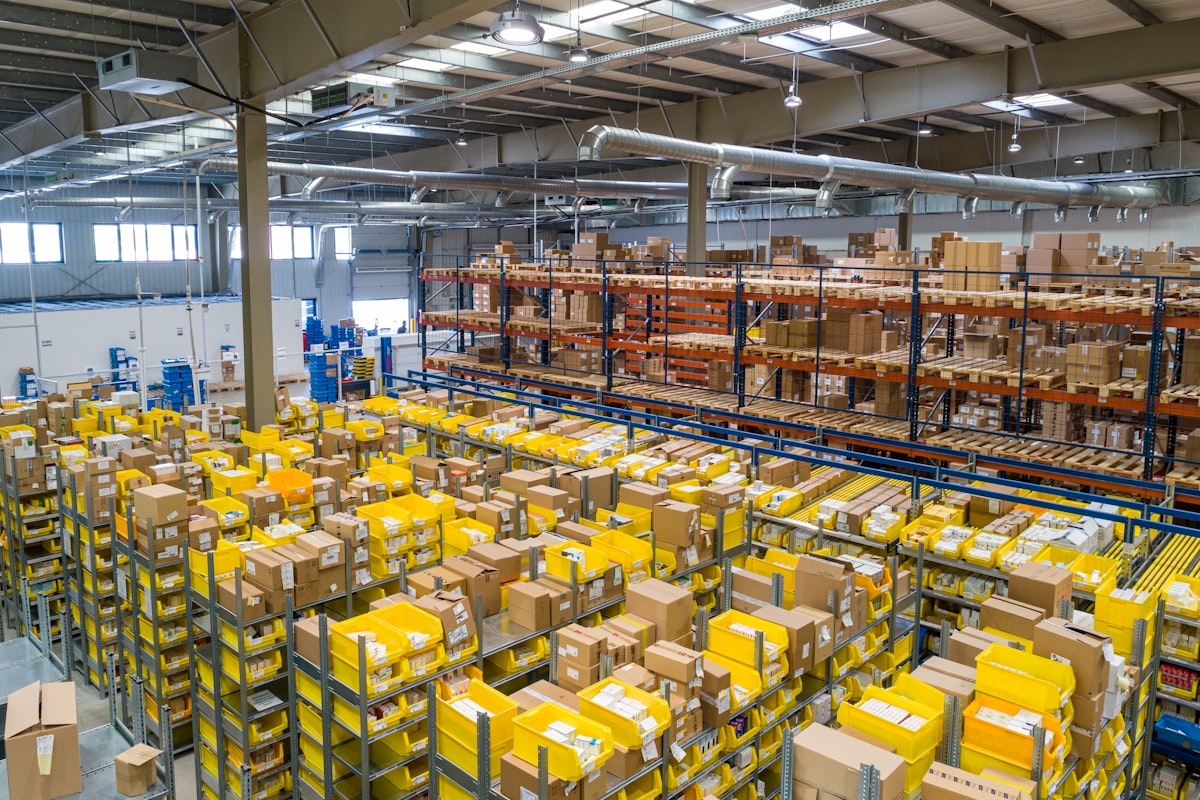
Heavy-Duty Warehouse Floor Scrubbing & High-Efficiency Desert Dust Extraction Protocols — Mayberry's Maids (702) 474-6243
Along the bustling light industrial arteries of Clark County—from the exhibit fabrication shops flanking Cameron Street and Valley View to the logistics hubs across Post Road and the North Las Vegas Industrial corridor—a quiet, mechanical hemorrhage occurs daily. Facility managers routinely find commercial single-stage and dual-stage shop vacs burned out, high-bay rafters blanketed in gray powder, and HVAC rooftop units (RTUs) struggling to hold 78 degrees against the 115-degree July heat. This operational overhead is what industrial engineers call the Mojave Dust Tax.
To understand why off-the-shelf maintenance programs systematically collapse in Southern Nevada, you have to examine the abrasive physics of our geological basin and the dangerous interplay between trade-show fabrication waste and desert dust.
The Mineralogy of Failure: Caliche Silica vs. Standard Filtration
Las Vegas industrial soil is not standard organic topsoil; it is heavily enriched with caliche—a concrete-like sedimentary matrix of calcium carbonate, quartz, and crystalline silica. When heavy equipment, delivery trailers, and forklift traffic grind this substrate outside loading docks, it pulverizes down to sub-5-micron particles. For perspective, human hair averages 70 microns in diameter, while respirable crystalline silica routinely fractures below PM2.5 (2.5 microns).
Most off-the-shelf janitorial vacuums utilize paper cartridge filters or basic single-stage microfiber bags rated at 5 to 10 microns. When put to work on an industrial floor in NV 89103 or North Las Vegas, two immediate failures occur:
- Pore Blindness & Motor Starvation: The razor-sharp, angular morphology of caliche particles embeds deep into the media fibers rather than building a permeable dust cake. Airflow drops catastrophically within 12 minutes of continuous operation, causing vacuum bypass motors to overheat, draw excess amperage, and seize.
- Sub-Micron Aerosolization: Fine crystalline silica and alkaline dust escape directly through the porous filter weave. Instead of remediating the workspace, the exhaust blast launches millions of microscopic particles directly into the breathing zone and thermal plumes of the warehouse ceiling.
The Cascading Destruction of RTU Coils and Make-Up Air
Once caliche dust is re-suspended by inadequate dry-sweeping or under-filtered vacuums, warehouse thermal convection carries it directly toward return-air plenums and RTU economizers. In trade show fabrication facilities, this mineral dust collides with airborne sawdust, medium-density fiberboard (MDF) flour, and aerosolized contact adhesives.
Sawdust is inherently hygroscopic; caliche is chemically alkaline and cementitious. As these airborne contaminants pass over damp evaporator coils or pull through condensing fins, ambient humidity binds them into an impenetrable, crustaceous paste. The operational fallout is severe:
- Static Pressure Spikes: Coil delta-P (pressure drop) climbs rapidly, choking air delivery across the occupied floor.
- Thermal Transfer Collapse: Even a 0.042-inch accumulation of industrial dirt on cooling coils diminishes heat transfer efficiency by up to 21%, driving warehouse compressor run-times around the clock.
- Premature Blower Motor Burnout: Belt-driven blowers operate against artificial static heads, accelerating mechanical failure during peak Clark County summer rate tiers.
"When facility managers sweep dry caliche alongside composite wood dust, they aren't cleaning the shop floor—they are running an uncontained dry sandblaster inside their mechanical ventilation loop."
The Remediation Standard: 4-Stage True HEPA and Chemical Dwell Chemistry
Mitigating the Mojave Dust Tax requires engineered industrial protocols, not residential janitorial shortcuts. At Mayberry's Maids, cleaning systems are calibrated to the actual particulate dynamics of the desert Southwest.
First, extraction requires true 4-stage filtration: cyclonic mechanical pre-separation, a hydrophobic secondary stage, an intermediate micro-filter, and a certified downstream HEPA cell tested to capture 99.97% of particulates down to 0.3 microns. By stripping heavier composite wood chips and gravel out of the airstream before they reach the fine-filter stage, continuous volumetric airflow (CFM) is maintained without blinding the unit.
Second, floor remediation requires controlled industrial warehouse floor scrubbing and sawdust extraction utilizing specialized low-foaming, alkaline-neutralizing chemical surfactants. These solutions require strict, wet chemical contact dwell times—typically 8 to 10 minutes—to emulsify oils, bind free silicates, and prevent airborne re-entrainment before aggressive cylindrical brushes scrub the concrete pores clean and continuous squeegee vacuum shoes extract the slurry into onboard recovery tanks.
Operational Security: Vetted W-2 Chains of Custody
Exhibit builders on Post Road and Cameron Street routinely warehouse high-value client assets, bespoke modular electronics, and confidential product prototypes scheduled for unveiling at the Las Vegas Convention Center or Venetian Expo. Handing access keys or security badges to transient, third-party 1099 sub-contractors introduces immense operational and intellectual property liability.
Every commercial environment serviced by our teams is protected by fully uniformed, background-checked W-2 personnel directly employed and supervised under strict chain-of-custody protocols. With over 35 continuous years operating in Clark County under owner Gil's direct leadership, stability and institutional trust remain our baseline operational standard.
The 5-Minute Nighttime Facility Diagnostic Rubric
Property and production managers can run this straightforward 4-point diagnostic across their facility tonight to determine if their current cleaning regime is compounding HVAC degradation:
- 1. The RTU Return Grille Wipe: Run a dark microfiber cloth across the interior louvers of your lowest return-air drop. If you pull away chalky, cement-colored silt rather than soft domestic lint, your shop floor vacuums are venting caliche silica directly into your air handlers.
- 2. The Beam Scatter Optical Test: Turn off high-bay fluorescent or LED banks in an idle production aisle. Shine a focused 1,000-lumen flashlight horizontally through the dark. If you observe continuous, shimmering suspended particulates ten minutes after tool shutdown, your dry extraction protocols are failing.
- 3. The Concrete Porosity Scrape: Inspect the transition between fabrication areas and warehouse storage. If a flat metal putty knife scrapes up a compressed, waxy cake of sawdust and gray grit, your concrete is absorbing unextracted fines that degrade floor sealers and release dust every time a forklift passes.
- 4. The Equipment Exhaust Smell: Stand behind your cleaning crew's current vacuums during operation. A warm, distinctively earthy or scorched-belt odor indicates filter blow-by and micro-particle re-suspension under motor heat.
Protect Your Physical Plant and Mechanical Infrastructure
Don't let inadequate vacuum filtration and dust re-entrainment prematurely destroy your expensive commercial HVAC capital assets. Discover how precision mechanical extraction protects your facility's air quality, equipment lifespan, and bottom line.
Contact Gil directly at Mayberry's Maids to schedule a complimentary 15-minute on-site walkthrough inspection of your industrial space. Call our central Las Vegas office at (702) 474-6243 or email sales@wecleanlasvegas.com to set your appointment today.

Comments
Post a Comment