The Hidden Cost of Low-Ball Commercial Cleaning Bids in Las Vegas: An Operational Reality Check
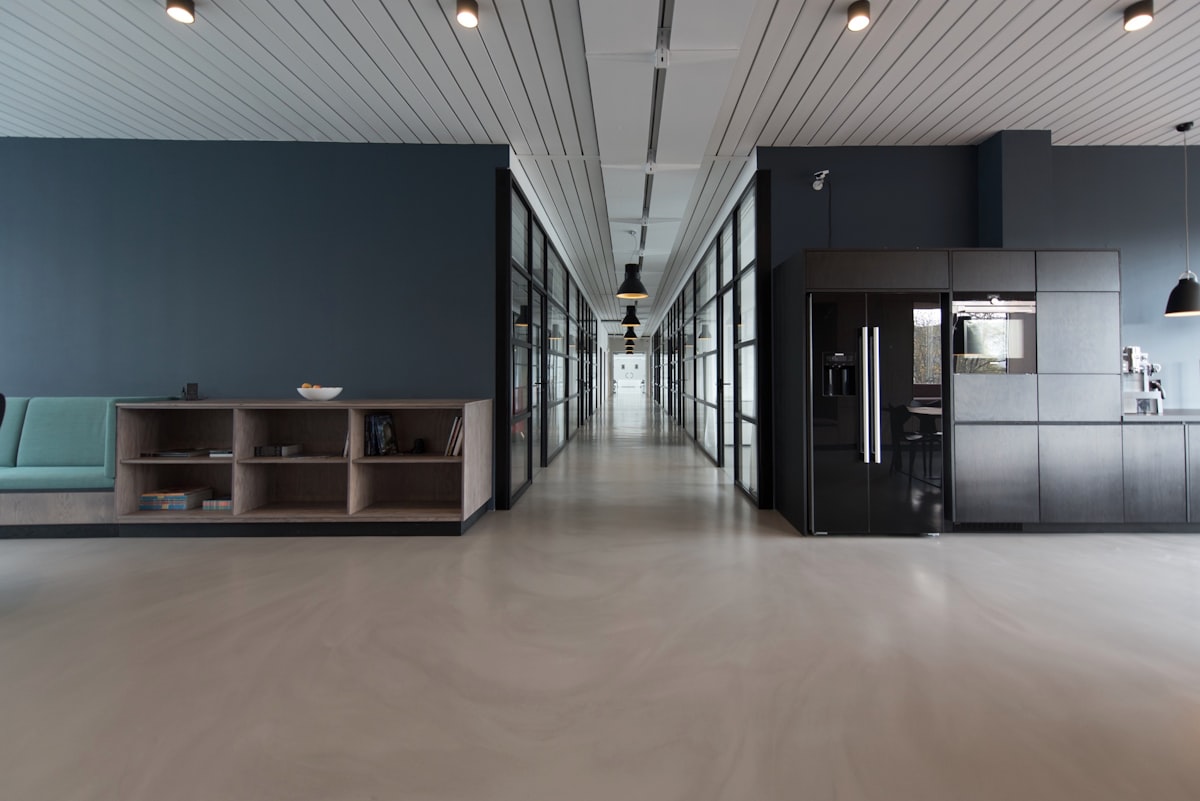
Professional Nightly Corporate Office Detailing & Microfiber Sanitization in Clark County — Mayberry's Maids (702) 474-6243
For commercial property managers and operations directors navigating the commercial corridors of Clark County—from the corporate Class-A towers of Summerlin West to the high-throughput industrial flex parks along Dean Martin Drive and the Sunset corridor—the quarterly janitorial procurement cycle often feels like a race to the bottom. In an economic climate where facility margins are scrutinized down to the fractional cent per square foot, a bid that undercuts the prevailing market by 30% or 40% can appear, at first glance, like a decisive operational victory.
In commercial facilities maintenance, however, the physics of cleaning do not bend to wishful budgeting. When a cleaning bid arrives dramatically below standard labor benchmarks, the deficit is not recovered through proprietary efficiencies or technological wizardry. It is extracted directly from the scope of work, labor classification standards, and chemical dwell times. What presents as upfront cost savings inevitably re-emerges on your balance sheet as premature floor asset deterioration, indoor air quality complaints, employee absenteeism, and serious nighttime security liabilities.
The Anatomy of the Mojave 'Mop & Run': Where Low Bids Cut Corners
To understand where a rock-bottom janitorial bid loses structural integrity, one must look closely at commercial building biology in Southern Nevada. Operating a commercial facility in Spring Valley or along the 215 Beltway presents distinct micro-environmental challenges that out-of-state cleaning franchises and broker networks consistently miscalculate.
1. The Physics of Caliche Silica Dust
The desert geology surrounding the Las Vegas Valley is saturated with caliche—a hardpan layer composed of calcium carbonate, fine silica, and crystalline rock particulates. When tracked onto commercial resilient flooring, natural stone, or loop-pile carpet tiles, this micron-sized dust acts as industrial sandpaper. Standard discount janitorial contractors equip crews with single-stage, paper-bag upright vacuums that lack true micro-filtration. These units capture coarse trash while expelling the sharpest, finest silica particulates back into the ambient air, where they settle across workstation surfaces and degrade terminal HVAC coil efficiency. Comprehensive commercial office cleaning in Las Vegas requires closed-loop, 4-stage HEPA filtration capable of intercepting particulates down to 0.3 microns, arresting abrasive wear before it scours your commercial floor sealants.
2. The Chemical Lie of 'Spray-and-Wipe' Dwell Times
In high-density work environments, pathogenic cross-contamination is the primary driver of unscheduled workforce downtime. The EPA requires precise "wet contact dwell times" for commercial hospital-grade disinfectants and quaternary ammonium formulations to achieve true virucidal and bactericidal kill rates—typically between three and ten continuous wet minutes. Low-ball contracts budget cleaning crews at impossible surface-per-hour metrics (often exceeding 6,000 square feet per labor hour). To survive the shift, crew members mist a surface and instantly buff it dry with a soiled rag. This does not disinfect; it mechanically redistributes pathogens across door handles, conference tables, and breakroom fixtures while leaving toxic micro-residues on high-touch touchpoints.
3. The 1099 Subcontractor and Nighttime Security Vulnerability
Perhaps the most severe liability lurking inside deep-discount proposals is labor arbitrage. To meet unsustainable pricing, disreputable contractors bypass true W-2 payroll, routing night shifts through third-tier 1099 independent subcontractors who have undergone neither comprehensive background checks nor verified security onboarding. For high-security legal suites, medical centers, and tech hubs, granting unvetted, unbonded third parties unsupervised keycard access, physical server room proximity, and sensitive document contact during overnight hours represents an unacceptable risk profile.
"When an outsourced vendor cuts operational labor below the median cost of living, you are no longer purchasing professional janitorial management; you are financing unsupervised access to your corporate infrastructure."
The 5-Minute Nighttime Diagnostic Audit for Facilities
You do not need an industrial hygiene certification to determine whether your current vendor is cutting corners. Tonight, before your night crew departs, conduct this rapid 4-point diagnostic inspection across your facility:
- The High-Touch Dwell Inspection: Inspect your main boardrooms and break areas immediately after the night crew wipes down surfaces. If laminate or stone tables dry completely within fifteen seconds of wiping, the disinfectant has failed its required wet dwell time. Inquire directly about the EPA registration number of the chemical in use and verify its specified contact schedule.
- The Caliche Baseboard Edge Check: Run an index finger along the baseboard ledges, recessed kickplates, and carpet margins behind desk pods in your perimeter executive offices. A greasy, greyish buildup indicates that dry silica soil is merely being pushed to room margins by mop heads rather than extracted through precision microfiber edging and targeted crevice filtration.
- The Return Air Grille Swab: Look up at the ceiling supply and return grilles in the high-traffic hallways. If the louvers display fuzzy, dark particulate rings ("ghosting"), your cleaning vendor is using exhausted vacuum filters that exhaust desert PM10 particulates into the interior airspace.
- Restroom Partition Underside and Grout Horizon: Inspect the lower six inches of restroom stall partition brackets and floor-to-wall grout joints. Heavy mop application from undertrained labor pushes dirty, gray wastewater into the porous grout matrix, creating persistent bacterial colonies and lingering ammonia odors that surface-level fragrances merely mask.
Long-Term Building Preservation vs. Short-Term Expense
Maintaining institutional Class-A and Class-B properties across the Las Vegas valley requires an uncompromising focus on asset preservation. Every skipped VCT burnishing cycle, every neglected grout pore, and every improperly treated entryway matting system compounds your deferred capital replacement costs. Over a three-year commercial lease cycle, premature floor replacement and duct sanitization will obliterate any superficial savings garnered from a cut-rate cleaning bid.
For more than 35 continuous years, Mayberry's Maids has approached commercial office hygiene from an engineering and compliance mindset. By employing strictly screened, uniform-credentialed W-2 technicians, enforcing documented chemical contact dwell protocols, and deploying advanced multi-stage HEPA extraction systems, we safeguard both building assets and executive peace of mind.
Evaluate Your Facility's Nightly Performance Standard
If your commercial property along the Sunset corridor, Dean Martin Drive, Summerlin West, or Spring Valley is struggling with lingering dust, consistent punch-list discrepancies, or unverified night crews, we invite you to take a closer look at your facility's operational health. Contact owner Gil directly to schedule a complimentary 15-minute on-site walkthrough and physical custodial audit. We will systematically inspect high-touch points, evaluate surface wear, and provide your facility team with an actionable, transparent roadmap for long-term cleanliness and security.
Direct Inquiries: Call (702) 474-6243 or email sales@wecleanlasvegas.com to coordinate your on-site walkthrough.

Comments
Post a Comment