The Hidden Cost of Low-Ball Commercial Cleaning Bids in Las Vegas: An Investigative Facility Audit
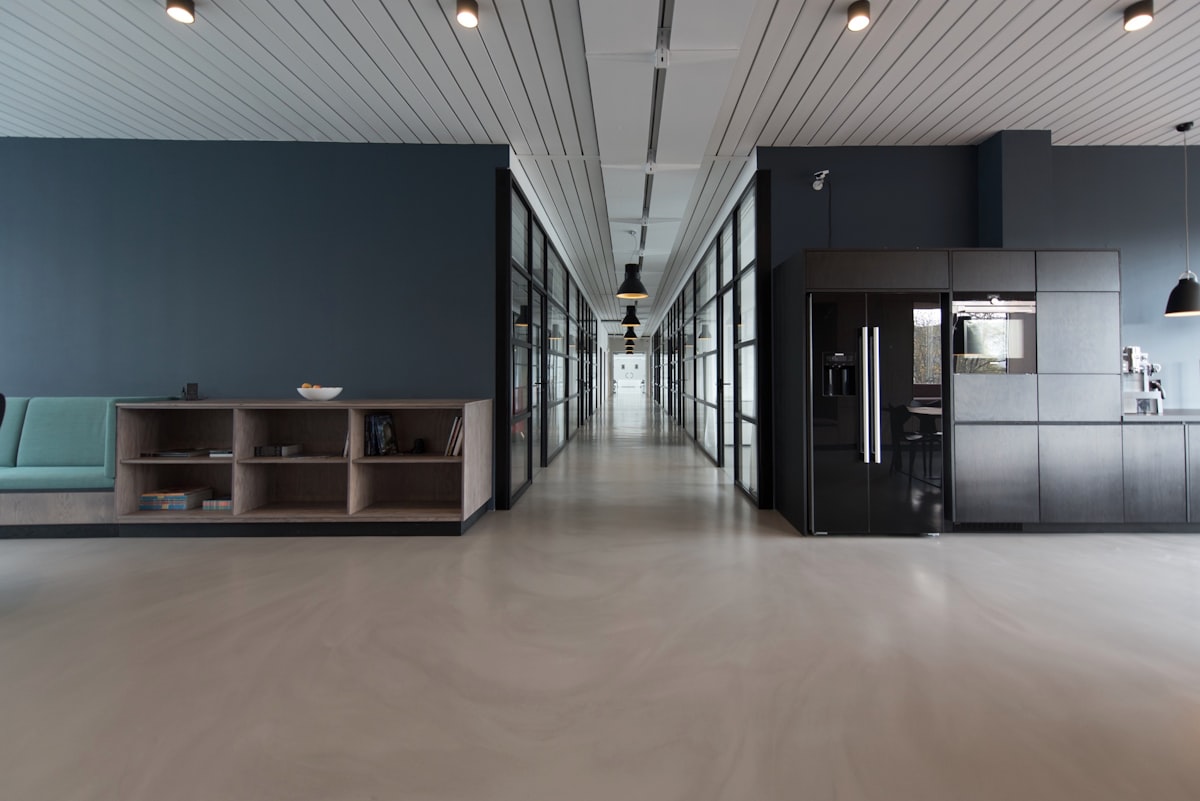
Professional Nightly Corporate Office Detailing & Microfiber Sanitization in Clark County — Mayberry's Maids (702) 474-6243
In the commercial real estate corridors spanning the Sunset corridor, Dean Martin Drive, Spring Valley, and master-planned corporate centers in Summerlin West, facility managers frequently confront an operational paradox: a cleaning bid that comes in 30% below prevailing market averages. On a balance sheet, an aggressive low-bid janitorial line item appears to be an immediate win for Net Operating Income (NOI). On the building floor, however, it triggers an insidious cycle of deferred maintenance, accelerated asset depreciation, and invisible security exposures.
The Mathematical Deception of the 'Burn-and-Turn' Janitorial Model
Commercial cleaning is mathematically tied to labor hours, square footage production rates, and chemistry. When an unscrupulous contractor submits a low-ball proposal, they cannot bend the laws of minimum wage, payroll taxes, or workers’ compensation insurance. Instead, they engineer savings by drastically compressing scheduled time on-site—often reducing an eight-person-hour scope to an unworkable ninety-minute scramble.
To survive on unviable margins, bottom-tier operators cut two primary corners: labor classification and mechanical protocol. Rather than employing vetted, background-checked W-2 staff, they rely on transient, unbadged 1099 subcontractors with high turnover and zero chain-of-custody training. In multi-tenant corporate offices along Dean Martin Drive and secure financial suites across Summerlin West, this turnover introduces severe physical security hazards, from unmonitored master keycard handoffs to propped perimeter doors during evening shifts.
When evaluating providers for commercial office cleaning in Las Vegas, facility directors must look beyond the initial number to understand how routine detailing either preserves or degrades capital assets over a 36-month lease cycle.
The Mojave Particulate Problem: Caliche Dust Dynamics
The geographic reality of Clark County introduces an environmental factor absent in humid coastal markets: caliche-derived silica dust. Las Vegas desert winds drive high concentrations of coarse, abrasive calcium carbonate and microscopic crystalline silica through commercial HVAC economizers and exterior building envelopes.
"Desert dust is not inert lint; it is an abrasive mineral compound. When dragged dry across polished surfaces or ground into commercial carpet fibers with inadequate equipment, it functions exactly like micro-grit sandpaper."
Low-cost janitorial crews routinely deploy standard residential upright vacuums fitted with porous cloth or single-ply paper bags. These units lack the static pressure to extract heavy particulate from commercial loop carpet and lack sealed filtration chambers. The result is mechanical redistribution: the vacuum agitates caliche dust from carpet channels and vents sub-micron particulates into the breathing zone, settling on computer terminals, executive finishes, and air supply diffusers.
Professional-grade commercial protocols demand sealed 4-stage HEPA filtration systems certified to capture 99.97% of particulates down to 0.3 microns. By stripping silica particulates from the interior environment nightly, facility directors prevent the microscopic abrasive degradation of VCT finishes, engineered hardwoods, and sensitive IT hardware.
The Disinfection Fallacy: Chemical Contact Dwell Times
The most widespread casualty of compressed labor hours is antimicrobial efficacy. Broad-spectrum hospital-grade quaternary ammonium compounds and hydrogen peroxide-based virucides do not sanitize on contact. According to EPA master label registrations, these chemical formulations require an uninterrupted, visibly wet dwell time ranging from three to ten minutes to penetrate bacterial biofilms and denature pathogens.
In a cut-rate 'spray-and-wipe' cleaning run, a cleaner mist-sprays a microfiber towel with diluted cleaner and briskly wipes a door handle, conference table, or breakroom surface, drying it immediately. This process achieves nothing more than mechanical cross-contamination: bacteria from one workstation are picked up and redeposited onto the next. Without adequate time allocation to allow proper surface dwell times, commercial tenants pay for the illusion of sanitation while illness-driven absenteeism climbs.
The 5-Minute Evening Diagnostic: Facility Self-Audit
You do not need an industrial hygiene degree to diagnose whether your current janitorial service is cutting corners. Inspect your commercial suite tonight after the cleaning crew has signed out, checking these four operational checkpoints:
- The Mop-Line Baseboard Crust: Examine the lower two inches of vinyl baseboards along high-traffic corridors. If you see a dark, yellowish-black buildup line, your cleaners are using dirty mop water and un-rinsed string mops, sloshing alkaline cleaning slurry against the wall base rather than performing flat-mop extraction.
- The HVAC Return Register Lip: Run a gloved finger along the lower horizontal louver of an overhead return air register. Heavy accumulation of gray, greasy particulate confirms that interior air is circulating caliche dust rather than being filtered through true HEPA janitorial vacuums.
- Restroom Stall Under-Edge Touchpoints: Look underneath the exterior pull latches of your commercial restroom partitions. While the flat face of the lock may appear wiped down, the concealed underside often accumulates layers of bio-film and particulate over months of missed detailing.
- High-Touch Keyboard Crevices: Check the reception desk and open-plan workstations. If dust clings to monitor bezels and between keyboard keys, your provider is dry-feather-dusting (propelling particles into the ambient air) rather than utilizing statically charged, micro-split fibers treated for dust capture.
Protecting Institutional Value with Proven Local Execution
For more than 35 continuous years, Mayberry's Maids has delivered uncompromised nightly detailing and janitorial systems out of our central Clark County hub (NV 89103). Under the direct leadership of our founder, Gil, our operational framework is anchored entirely by W-2 direct-hire personnel, rigorous multi-stage HEPA containment, and systematic contact dwell times tailored for the dry desert climate of Southern Nevada.
If you manage a commercial property along the Sunset corridor, Spring Valley, Summerlin West, or central Las Vegas and suspect your current janitorial bid is costing you thousands in deferred asset damage, invite us for a diagnostic assessment. We do not engage in high-pressure sales pitches or one-size-fits-all estimations.
Schedule a complimentary, comprehensive 15-minute on-site walkthrough inspection directly with Gil. Contact our commercial operations desk at (702) 474-6243 or email sales@wecleanlasvegas.com to examine your facility through a professional operational lens.

Comments
Post a Comment