The Economics of Neglect: The Hidden Cost of Low-Ball Commercial Cleaning Bids in Las Vegas
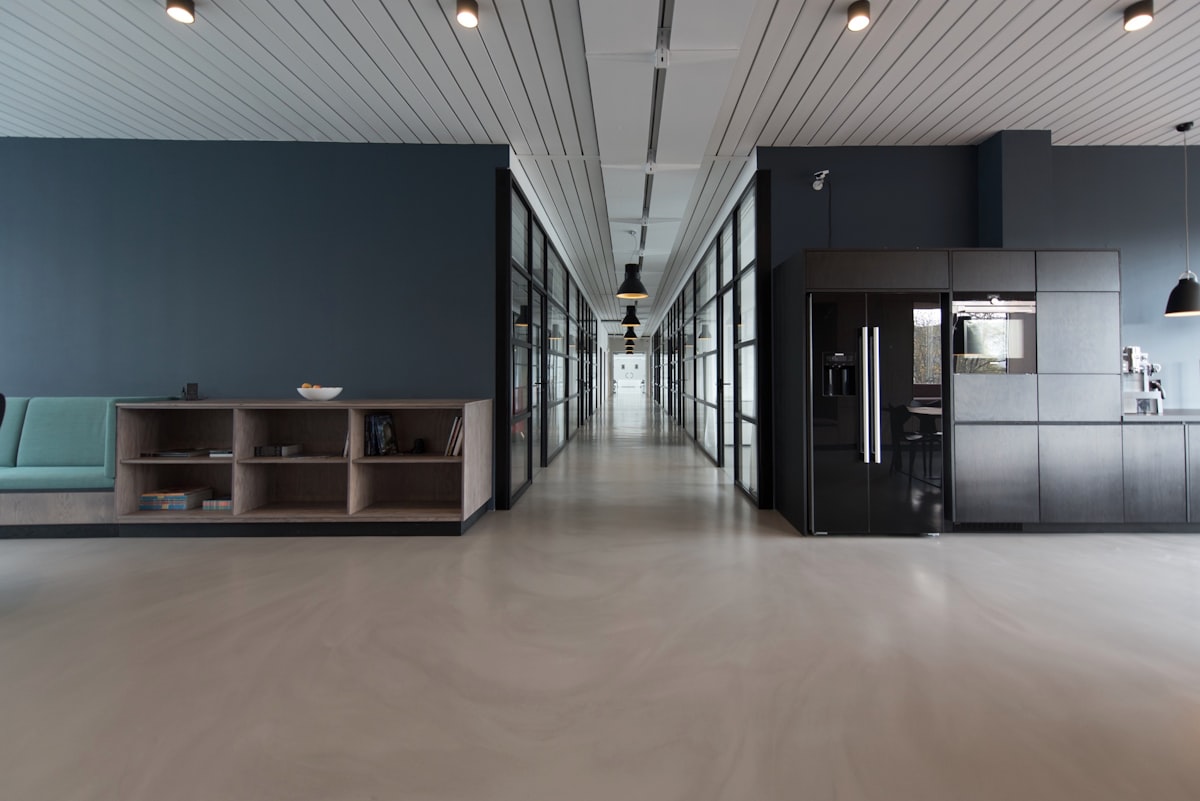
Professional Nightly Corporate Office Detailing & Microfiber Sanitization in Clark County — Mayberry's Maids (702) 474-6243
In commercial real estate procurement, lowest-bid bias remains one of the costliest operational traps a facility manager can spring. Across the corporate corridors flanking the Sunset corridor, the industrial flex parks lining Dean Martin Drive, and class-A suites across Summerlin West and Spring Valley, executive leadership frequently reviews cleaning RFPs with an eye toward bottom-line consolidation. However, an artificially depressed bid is rarely a reflection of operational efficiency; it is an economic admission of cut corners, deferred chemical mechanics, and downstream liability.
When a janitorial contractor submits a proposal that deviates significantly below baseline market costs, they are not operating on superior economies of scale. They are shifting costs into invisible ledgers: accelerated tenant improvement asset degradation, unmitigated airborne particulate load, cross-contamination cycles, and premises liability. Understanding the mechanics of commercial office maintenance in Southern Nevada requires examining what low-ball contracts routinely omit.
The Micro-Physics of Caliche Silica Dust in the Mojave Desert
Las Vegas does not share the environmental baseline of coastal or temperate markets. Facilities operating near the construction-heavy perimeters of Summerlin West or arterial corridors like Spring Valley contend with a relentless atmospheric suspension: caliche dust. Caliche is not benign garden soil; it is a concreted sedimentary matrix of calcium carbonate bound with microscopic silica crystals. These crystalline particles routinely measure under 2.5 microns in aerodynamic diameter.
When cut-rate janitorial contractors deploy consumer-grade upright vacuums or standard single-stage filtration equipment, they run an abrasive aerosolizer through your office. Without true 4-stage HEPA filtration—certified to capture 99.97% of particulates down to 0.3 microns—sub-micron silica is drawn from high-traffic commercial loops and ejected back into the breathing zone. As these particles settle into HVAC plenum returns, switchgear, precision server rack assemblies, and natural stone architectural finishes, they act as an industrial micro-abrasive. Routine low-bid cleaning slowly etches commercial glazing, strips wax barriers down to porous VCT substrates, and prematurely exhausts internal tenant air filtration packages.
"A janitorial scope that ignores particulate physics is simply moving dirt from floor level into the mechanical ventilation system."
Chemical Kinetics: The Fatal Flaw of the 'Wipe-and-Run' Mirage
The most pervasive artifact of a compressed labor budget is the total abandonment of chemical contact dwell times. Every EPA-registered disinfectant formulated for commercial application—particularly standard quaternary ammonium compounds (quats)—carries explicit manufacturer-mandated wet dwell times ranging between 3 to 10 minutes to achieve verified log-reduction kills against pathogenic organisms (including human coronavirus, norovirus, and antibiotic-resistant bacteria).
A cleaning operative allocated mere seconds per workstation cannot physically adhere to chemical kinetics. Instead, low-bid workflows rely on the cosmetic wipe: a single, saturated rag dragged across high-frequency touchpoints—keypads, elevator stanchions, brass hardware, and breakroom fixtures. This practice creates the dangerous optical illusion of sanitization while functioning in reality as an active vector of microbial cross-contamination. Investing in professional commercial office cleaning in Las Vegas means contracting for verified dwell integrity, methodical microfiber color-coding to prevent restroom-to-boardroom cross-transfer, and systematic chemical chemistry designed for commercial wellness.
Labor Infrastructure: The Hidden Liabilities of 1099 Subcontracting
How does a contractor quote 40% below standard operational margins? The ledger math invariably points to labor classification. Budget providers frequently rely on opaque chains of unvetted, unbonded 1099 independent subcontractors. This introduces acute security, legal, and operational risks into secure commercial facilities after business hours:
- Premises Security Compromises: Unregulated secondary personnel cycling through suites along Dean Martin Drive without verifiable background verification or keycard chain-of-custody logging.
- Vicarious Workers' Comp Exposure: When an under-insured independent sub-tier worker suffers an injury on your wet marble lobby or fall from an ingress threshold, corporate property managers frequently face third-party premises liability litigation.
- Unmanaged Attrition: Turn rates exceeding 300% annually eliminate facility familiarity. Cleaners never learn your building’s architectural vulnerabilities, security alarms, or executive access limitations.
By contrast, enterprise-grade janitorial operations rely strictly on vetted, company-badged, W-2 staff trained in chemical protocol, commercial facility access governance, and strict key-handling compliance.
The 5-Minute Nightly Walkthrough: A Diagnostic Rubric for Facility Managers
To determine if your current commercial janitorial contract is degrading your facility's operational baseline, conduct this 4-point audit tonight within five minutes of the cleaning crew’s departure:
- The Door Header & Plenum Return Swab: Run a white micro-glove or lint-free microfiber along the horizontal edge of an executive suite door frame or the top slats of a return air grille. A heavy buildup of gray, gritty residue indicates vacuum exhaust blow-by and absent high-dusting protocols.
- The Restroom Hardware Shadow-Line: Inspect the underside of chrome faucet fixtures, flushometers, and soap dispenser housings. If soap scum crust or scale has colonized these junctions, your service is executing a cursory surface splash rather than restorative mechanical soil extraction.
- VCT Baseboard Slop Marks: Examine the lower four inches of vinyl wall base in corridors. Dark mop lines and dried slurry wax splashes signal improper two-bucket mop technique and dirty recovery water, which embeds dirt into porous wall surfaces.
- The Terminal Keyboard & Docking Junction Check: Inspect the cluster of cables behind a primary administrative workstation. If loose debris, shedding skin scales, and dust bunnies remain entangled around power banks, detailed vacuum wands and static-dissipative micro-dusting are being bypassed.
Preserving Facility Asset Life with Las Vegas Provenance
Commercial building envelopes and interior improvements represent multi-million-dollar capital investments. Allowing cut-rate maintenance to accelerate carpet fiber breakdown, dull architectural millwork, and compromise tenant environmental health is a profound procurement miscalculation.
For over 35 continuous years, Mayberry's Maids has served property managers and facility directors across Clark County from our central 89103 operational hub. Founded and operated by Gil, we treat janitorial detailing not as an afterthought commodity, but as an essential preventative maintenance protocol designed to defend asset longevity, interior air purity, and commercial real estate valuation.
Rather than accepting another speculative bid that sacrifices compliance for an unsustainable bottom line, invite our leadership for a detailed operational review. Contact Gil directly at (702) 474-6243 or via email at sales@wecleanlasvegas.com to schedule a complimentary, 15-minute on-site facility walkthrough inspection across your Sunset corridor, Spring Valley, or Summerlin assets.

Comments
Post a Comment