The Economics of Erosion: The Hidden Operational Costs of Low-Ball Commercial Cleaning Bids in Las Vegas
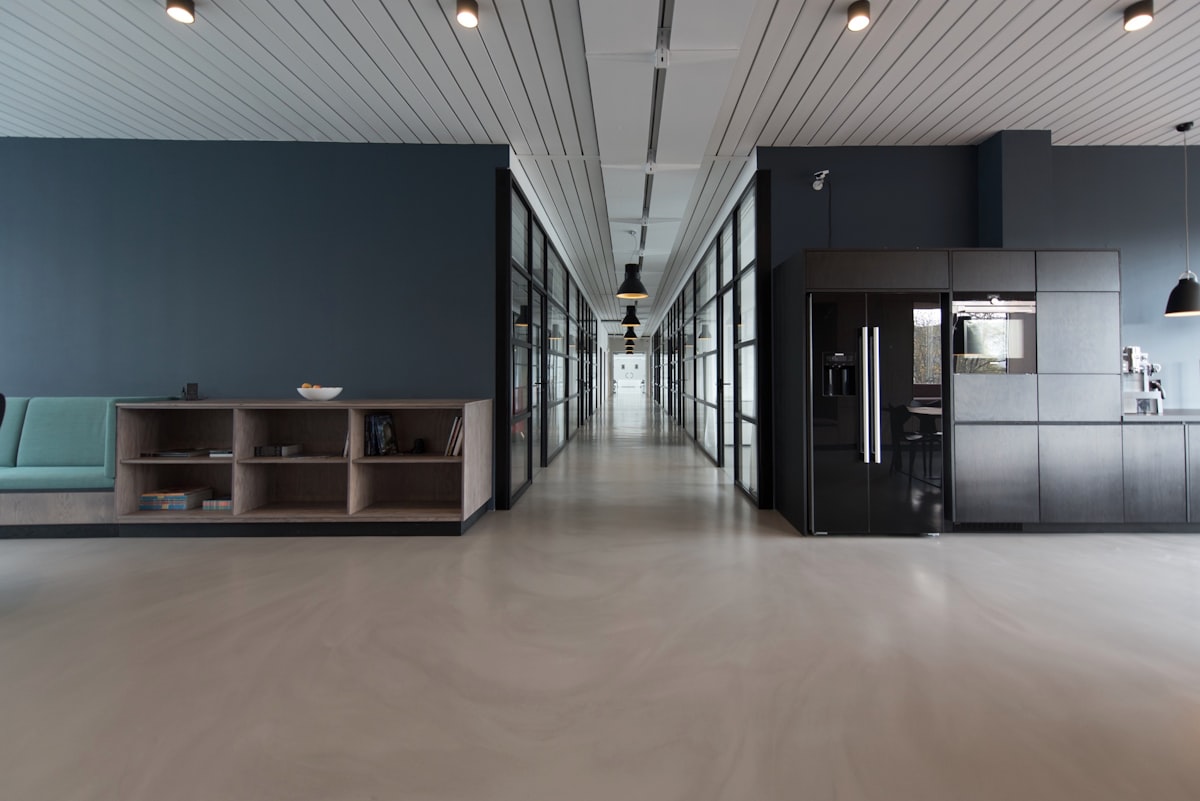
Professional Nightly Corporate Office Detailing & Microfiber Sanitization in Clark County — Mayberry's Maids (702) 474-6243
In the competitive commercial real estate markets across Clark County—from the Class-A executive mid-rises in Summerlin West to the high-density flex spaces along Dean Martin Drive and the Sunset corridor—procurement teams face relentless pressure to compress operating expenses. When reviewing proposals for routine nightly detailing, the line-item variance can be staggering. A low-ball bid frequently promises the same scope of work as an established vendor for a fraction of the cost. Yet, in commercial facility management, janitorial services are subject to an unforgiving law of physics and labor economics: you cannot discount labor without discounting standard operating procedure.
When a facility contracts an under-budget provider, the immediate savings are almost universally offset by deferred maintenance, compromised indoor air quality (IAQ), asset degradation, and tenant turnover. Understanding the anatomy of a cut-rate contract requires looking past the proposal sheet into the operational realities of commercial maintenance in the Mojave Desert.
The Caliche Factor: Particulate Physics in Clark County Facilities
Southern Nevada presents environmental challenges that national janitorial franchises and low-tier operators fundamentally fail to accommodate: caliche and fine silica dust. Wind events across Spring Valley and the surrounding valley floor lift microscopic calcium carbonate and silica particulates, which infiltrate commercial building envelopes through air curtains, loading docks, and positive-pressure deficits.
Sub-contracted or rushed cleaners compensate for tight margins by using outdated commercial upright vacuums fitted with porous paper bags or degraded cloth filters. These units pull caliche silica out of commercial nylon carpet fibers only to exhaust microscopic particulates directly back into the breathing zone. Once aerosolized, this abrasive dust is drawn into HVAC return plenums, prematurely loading commercial filtration media, increasing static pressure across evaporator coils, and accelerating mechanical wear on air handler motor bearings.
Proper mitigation demands commercial-grade, sealed 4-stage HEPA filtration systems certified to capture 99.97% of particulates down to 0.3 microns. When Mayberry's Maids deploys nightly teams across the valley, HEPA containment is treated as an engineering control, protecting not merely the carpet pile, but the multi-million-dollar HVAC infrastructure overhead.
The Dwell-Time Deficit: The Fiction of Immediate Disinfection
The single most pervasive compromise in budget janitorial services is the violation of chemical dwell times. EPA-registered broad-spectrum disinfectants (typically quaternary ammonium compounds or accelerated hydrogen peroxide solutions) require specific wet contact dwell times—typically between 4 to 10 continuous minutes—to achieve full bactericidal, virucidal, and fungicidal kill rates on non-porous surfaces.
"Spray-and-wipe janitorial routines do not disinfect. In practice, wiping a surface immediately after atomizing a chemical merely acts as a mechanical transfer mechanism, spreading pathogenic biofilms across multiple workstations, conference tables, and breakroom fixtures."
When low-cost crews are allotted merely 90 seconds per suite, adhering to surface dwell times is mathematically impossible. This operational failure contributes directly to absenteeism in high-density office environments. Professional, specialized commercial office cleaning in Las Vegas relies on structured zone cleaning, ensuring chemical contact parameters are strictly honored to protect workforce productivity.
Labor Arbitrage and Facility Security Liabilities
Janitorial services are predominantly labor-driven. When an RFP response significantly undercuts prevailing market realities, the deficit is almost invariably recovered through labor arbitrage. Low-bid operators routinely rely on untrained independent 1099 subcontractors, day laborers, or unvetted transient crews to hit operational margins.
The hidden costs of this turnover manifest in compromised facility integrity. Commercial spaces along Dean Martin Drive and the Sunset corridor house medical billing records, intellectual property, server rooms, and critical inventory. An unvetted cleaning crew with access keys, keycards, and alarm codes represents an unacceptable corporate liability. Genuine facility protection requires permanent, background-checked W-2 janitorial technicians who operate under documented chain-of-custody protocols for physical keys and digital access credentials.
The 5-Minute Nighttime Diagnostic: A Rubric for Property Managers
You do not need an industrial hygiene degree to diagnose whether your current commercial janitorial contract is degrading your facility. Property managers can execute this 4-point diagnostic self-audit immediately after your nightly crew departs:
- The Return Air Plenum & Door Casing Swipe: Run a microfiber cloth across the horizontal surface of interior door frames and the louvers of your return air vents. If you discover a gritty, cementitious film, your vendor is using dry wiping techniques or sub-HEPA vacuum equipment, circulating caliche dust rather than capturing it.
- The Conference Table Microfiber Drag: Take a clean, dry, lint-free white microfiber towel and drag it firmly across your primary boardroom table under direct angled light. If a cloudy residue, cross-contamination streaking, or tacky film appears, your crew is using dirty mop water, spent wiping rags, or improper chemical dilutions that leave chemical salt residues.
- The Restroom Grout & Baseboard Crevice: Inspect the transition where the restroom floor tile meets the baseboard grout. A dark, oily, or yellowish accumulation indicates soil slurry mop-pushing—a definitive sign that your cleaners are spreading organic waste into the porous grout rather than extracting it.
- The Vacuum Thermal & Exhaust Check: Check the vacuum equipment stored in your on-site janitorial closet. If the outer housing is caked in fine grey powder, or if operating the machine produces an immediate burning-dust odor, the vacuum's secondary and HEPA filtration stages have breached, transforming the machine into an indoor pollutant disperser.
Protecting Southern Nevada Assets for Over Three Decades
Commercial cleaning should not be a revolving door of low-bid replacements and deferred maintenance expenses. Since 1989, Mayberry's Maids has served as Clark County's operational standard in structural cleaning integrity, providing fully vetted W-2 teams, industrial-grade equipment, and uncompromised environmental sanitation from our centrally located Spring Valley hub in NV 89103.
We invite building owners, asset managers, and corporate facility directors to step off the low-bid procurement treadmill. Contact owner Gil directly to schedule a complimentary 15-minute on-site walkthrough inspection of your property. We will identify latent facility maintenance blind spots, audit your current air hygiene parameters, and build a sustainable nightly detailing schedule tailored to your building's footprint.
Call our central office today at (702) 474-6243 or email our commercial desk at sales@wecleanlasvegas.com to schedule your professional site evaluation.

Comments
Post a Comment