The Anatomy of a Low-Ball Bid: Why Cheap Janitorial Contracts Drain Las Vegas Commercial Portfolios
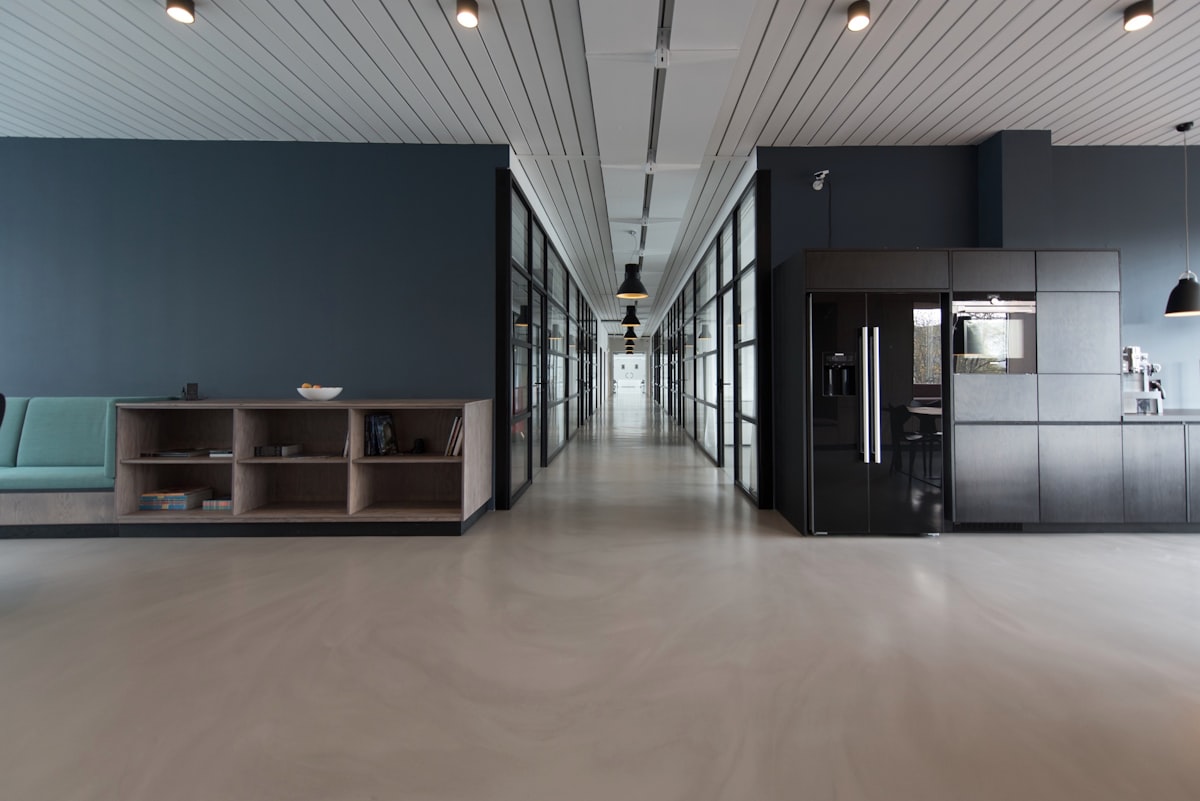
Professional Nightly Corporate Office Detailing & Microfiber Sanitization in Clark County — Mayberry's Maids (702) 474-6243
For facility directors and commercial property managers overseeing mid-rise office developments along the Sunset corridor or flex-industrial complexes off Dean Martin Drive, procurement often reduces janitorial services to a single line-item commodity. When contract renewals land on your desk, the temptation to accept an aggressive bottom-tier bid is understandable. Yet, in commercial facility management, labor economics and environmental physics never negotiate. A low-ball proposal is not a sign of operational efficiency; it is an actuarial certainty that critical maintenance tasks are being cut, outsourced, or completely bypassed.
After more than 35 continuous years maintaining commercial real estate throughout Clark County, Mayberry's Maids has analyzed hundreds of failed service transitions across Spring Valley, Summerlin West, and the central valley. What starts as nominal operational savings consistently morphs into accelerated capital asset depreciation, compromised tenant retention, and escalating security risks. To understand why cheap bids fail, one must understand both the mechanics of desert micro-particulates and the operational liabilities of custodial labor.
The Micro-Physics of Mojave Soil: Caliche Silica vs. Commercial Assets
The southern Nevada basin presents an unusually punishing indoor environmental challenge. Our native topsoils are rich in caliche—a hardpan sedimentary conglomerate of calcium carbonate, silt, and sharp microscopic silica crystals. Driven by thermal updrafts and valley wind tunnels, these sub-5-micron particles penetrate even pressurized commercial HVAC envelopes, settling onto high-traffic nylon carpets, acoustic ceiling baffles, and architectural millwork.
When low-cost providers strip operational hours to meet an unsustainable price point, their first compromise is equipment. Budget janitors deploy commercial upright vacuums equipped with single-stage, cloth-bag filters. The physics here are catastrophic: standard cloth bags arrest only particles larger than 50 microns. The high-velocity exhaust blast atomizes fine caliche silica back into the breathing zone, while scrubbing the remaining grit against carpet fibers like industrial sandpaper. This process destroys carpet pile density, degrades the stain-resistant fluorochemical treatment, and shaves years off a capital flooring investment.
Proper asset protection requires true four-stage HEPA filtration systems certified to trap 99.97% of particulates down to 0.3 microns. By systematically capturing sub-micron silica rather than aerating it, specialized commercial office cleaning in Las Vegas prevents premature carpet replacement and minimizes coil fouling in sensitive rooftop package air handlers.
The Microbiological Illusion: Dwell Times vs. "Spray and Wipe"
Disinfection is an exact chemical science governed by wet contact dwell times, not an optical impression of cleanliness. Low-bid cleaners are assigned impossible production rates—often exceeding 6,000 to 8,000 square feet per hour per technician. Under this speed pressure, custodial staff practice what the industry terms "splash-and-dash": spraying an unmetered neutral cleaner or broad-spectrum quaternary ammonium compound onto a microfiber rag, wiping a conference table or executive desk for three seconds, and moving immediately to the next suite.
EPA-registered hospital-grade disinfectants require a wet contact dwell time of between five and ten continuous minutes to eradicate pathogens such as Norovirus, MRSA, Influenza A, and secondary bacterial colonies. A three-second surface pass does not sanitize; in fact, using the same under-saturated cloth across multiple workstations actively cross-contaminates executive suites with pathogens harvested from high-touch elevator buttons, breakroom microwave handles, and restroom door pulls. The invisible cost surfaces within weeks: elevated employee absenteeism across your anchor tenant's workforce, directly driving down renewal sentiment.
Liability and Security: W-2 Custodial Professionals vs. 1099 Subcontracting
To produce an artificially low bid, cleaning companies frequently cut their largest expense: direct payroll taxes, workers' compensation insurance, and rigorous pre-employment vetting. Many low-bid operations quietly reclassify their nightly staff as 1099 independent contractors, or broker their nighttime janitorial routes to unaccountable third-party crews.
For class-A spaces in Summerlin West or technology corridors in Spring Valley, this introduces severe facility vulnerabilities:
- Uncontrolled Facility Access: Keycards, master brass keys, and alarm codes are distributed to unvetted, rotating individuals with zero traceable chain of custody.
- Premises Liability Gaps: If an unvetted contractor suffers a slip-and-fall on wet terrazzo or damages sensitive server room infrastructure, their lack of genuine commercial general liability and statutory workers' compensation triggers cross-claims that drag property owners directly into litigation.
- Turnover Deficits: While the commercial janitorial industry averages over 200% annual staff turnover, true long-term facility preservation demands dedicated, professionally supervised, W-2 custodial technicians who understand the specific floor plans, high-security protocols, and emergency egress procedures of your physical plant.
The 5-Minute Nightly Self-Audit Rubric for Facility Directors
Before renewing your current janitorial contract or executing a low-bid proposal, conduct this 5-minute diagnostic self-audit tonight when your custodial crew finishes their shift:
- The Air Supply Register Test: Inspect the supply and return air diffusers in your conference rooms. If you observe dark, feathered particulate rings clinging to the grilles or surrounding acoustic tiles, your cleaning vendor is using porous vacuum filtration that redistributes caliche dust straight into your ceiling plenum.
- The Microfiber Restroom Kickplate Swab: Run a damp, clean white towel beneath the bottom kickplate of your primary multitenant restroom doors. If the swab returns dark organic soils, mop water is being sloshed against vertical boundaries without extraction, breeding bio-films and degrading metal door frames.
- The High-Touch Luster Verification: Examine telephone handsets, conference keypad displays, and door levers at an oblique angle under direct light. If you see sticky chemical residue, neutralizers are not being used, and dwell times were bypassed in favor of quick-evaporating aerosol masking agents.
- The Baseboard Edge Audit: Check the transition seams where carpet meets perimeter drywall baseboards along primary corridors. A buildup of dark soil lines indicates the absence of routine crevice tool vacuuming, leading to permanent atmospheric wick-soiling that typical carpet bonnet extraction cannot reverse.
"When a commercial janitorial proposal appears too good to be true, the property manager is not saving money—they are simply deferring maintenance costs into accelerated tenant turnover and premature architectural replacements." — Gil, Owner, Mayberry's Maids
Secure Your Facility's Longevity with an Expert Assessment
Protecting the physical asset value of your Las Vegas commercial investment requires calibrated equipment, chemical discipline, and a stable, vetted custodial team. Rather than risking your lease renewals on speculative, low-ball staffing models, establish an accountable baseline for your real estate portfolio.
Contact Gil at Mayberry's Maids today to schedule a comprehensive, complimentary 15-minute on-site walkthrough inspection of your commercial property. We will review your current specifications, identify environmental risk factors unique to your corridor, and develop an engineered routine nightly detailing scope tailored specifically to your building's footprint.
Direct Inquiries: (702) 474-6243 | Email: sales@wecleanlasvegas.com | Central Operations: NV 89103

Comments
Post a Comment