The Anatomy of a Low-Ball Bid: What Cheap Janitorial Contracts Actually Cost Clark County Facilities
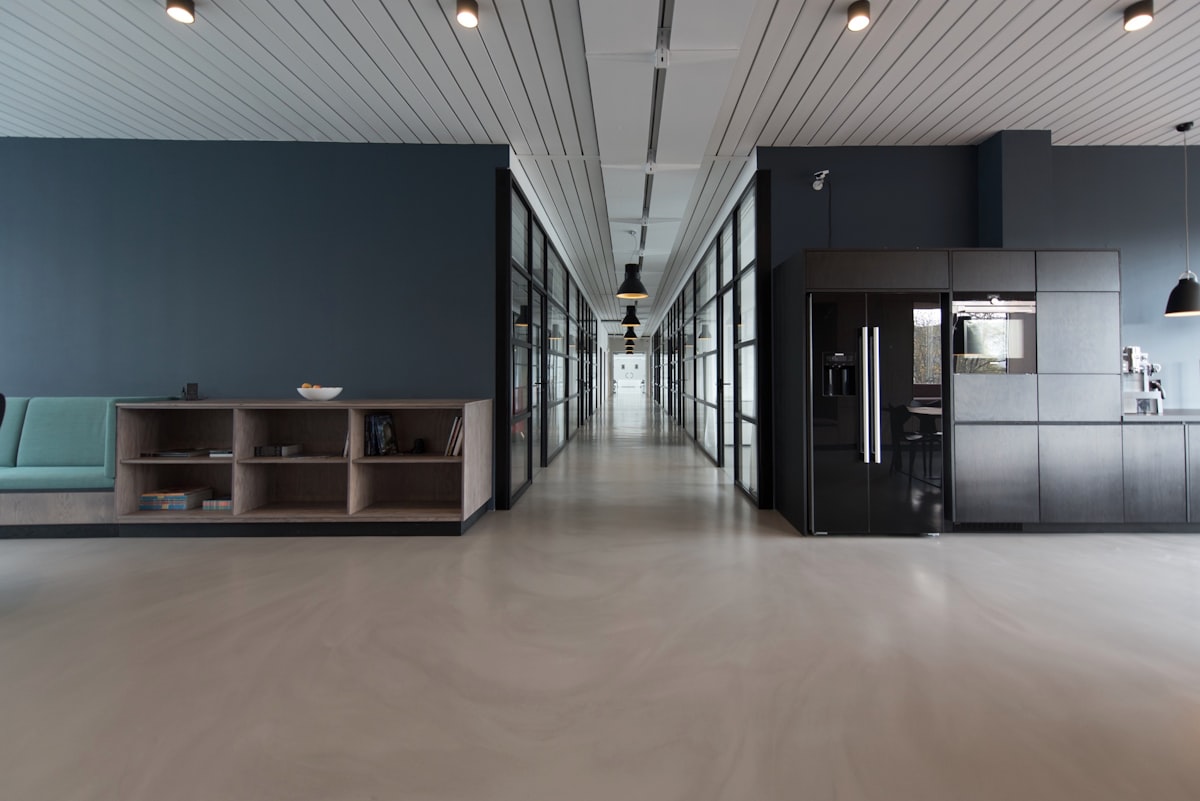
Professional Nightly Corporate Office Detailing & Microfiber Sanitization in Clark County — Mayberry's Maids (702) 474-6243
In commercial real estate across the Las Vegas Valley—from multi-tenant corporate centers in Summerlin West to high-density flex spaces along Dean Martin Drive and the Sunset corridor—procurement teams routinely face a deceptive spreadsheet dilemma: the outlier low-ball janitorial bid. When reviewing competitive tenders for nightly service, selecting the contractor sitting thirty to forty percent beneath median market rates feels like an immediate operational win. In reality, it represents the single most expensive line-item compromise a property manager can make.
Commercial cleaning is mathematically tethered to labor, chemistry, and equipment science. When a contractor slashes an estimate below operational viability, they do not find supernatural efficiencies; they simply transfer the cost into compounding deferred maintenance, micro-particulate surface damage, environmental cross-contamination, and severe security liabilities. To understand why cheap contracts fail, one must examine the specific engineering and operational realities of Clark County facilities.
The Physics of Mojave Caliche Silica: Why Surface Dusting Destroys Assets
Las Vegas does not generate ordinary indoor household dust. Our regional particulate profile is dominated by pulverized caliche—an indurated sedimentary deposit rich in calcium carbonate and quartz-grade crystalline silica. Driven across the valley from construction corridors in Spring Valley and unpaved desert peripheries, these micro-abrasive grains settle continuously across HVAC returns, acoustic ceiling grids, and horizontal office fixtures.
Under-budgeted cleaning operators rely on speed-based methods: synthetic feather dusters or dry, single-pass polyester cloths. Mechanically, this does not capture caliche silica; it violently aerosolizes coarse mineral particles before they resettle across sensitive computer server motherboards, ventilation terminal units, and high-traffic floor coatings. Once walked across commercial vinyl composite tile (VCT), high-honed marble, or luxury vinyl plank (LVP), airborne silica acts as an abrasive scouring compound under human footfall, prematurely stripping sacrificial finish coatings and forcing capital floor restoration cycles years ahead of schedule.
Preserving commercial assets against Southern Nevada's dry atmospheric load demands four-stage sealed HEPA filtration vacuums capable of trapping sub-micron particulates down to 0.3 microns, alongside engineered microfiber cloths loaded with calibrated static capture mechanics—protocol standards that cut-rate operators simply cannot afford to field.
The Contact Dwell Time Illusion: Sanitizing vs. Cross-Contamination
In high-throughput corporate environments, the difference between genuine sanitation and pathogenic distribution comes down to fluid mechanics and chemistry: specifically, wet chemical contact dwell time. Hospital-grade quaternary ammonium compounds and phenolic disinfectants require between five and ten uninterrupted minutes of active surface wetness to lyse viral envelopes and denature bacterial cell walls.
Under-funded nightly crews are tasked with impossible production rates, frequently exceeding 6,000 to 8,000 square feet per labor hour. Under this operational pressure, custodial personnel execute what the industry calls the 'swipe-and-sprint.' Disinfectant is sprayed onto a non-split cloth, rubbed across a shared boardroom conference table, and instantly wiped dry with a rag that has already contacted three public restroom door plates in the same corridor. Without proper wet dwell times, microbial pathogens are not neutralized; they are systematically cross-vectored throughout the facility.
True pathogen suppression executed by established providers of commercial office cleaning in Las Vegas requires systematic dwell staging: applying calibrated hospital-grade antimicrobials to high-touch target matrices (push plates, elevator car controls, breakroom spigots, and shared executive touchpoints) and leaving the chemistry completely undisturbed for the exact manufacturer-mandated dwell period before mechanical removal.
The Security Deficit: 1099 Arbitrage vs. Vetted W-2 Custodial Professionals
Perhaps the most alarming vector of low-bid commercial janitorial proposals lies behind operational badge access. Unrealistic bid pricing is almost universally supported by labor arbitrage: misclassifying janitors as independent 1099 subcontractors or churning through unvetted, transient day-labor pools without exhaustive multi-jurisdictional background checks.
Nightly commercial janitorial technicians operate with unescorted, master-key and electronic keycard credentials throughout sensitive enterprise real estate. They access private human resource cabinets, accounting files, proprietary intellectual property, server closets, and executive suites between 9:00 PM and 4:00 AM. A sub-contracted worker with no direct employment covenant, no enterprise bonding, and zero workers' compensation umbrella creates catastrophic premises liability for building owners and property management firms.
For more than thirty-five continuous years across Clark County, Mayberry's Maids has maintained an unwavering standard: our facilities are maintained exclusively by direct, fully trained, vetted, and bonded W-2 personnel operating under strict chain-of-custody protocols, continuous supervision, and rigorous facility access auditing.
The 5-Minute Nightly Self-Audit: Test Your Building Tonight
If you suspect your current janitorial contractor is cutting corners to survive a compressed scope, conduct this rapid 4-point diagnostic inspection in your facility tonight:
- The HVAC Return Damper Test: Use an inspection mirror or bright phone torch to check the horizontal louvers of your ceiling supply and return grilles. If you observe thick, felted gray accretion, your janitorial vendor is using dry dusting tools that displace silica dust into your HVAC ductwork rather than capturing it.
- The Armrest Underside Check: Run your finger along the recessed underside of executive ergonomic desk chairs, breakroom stool edges, and conference table aprons. Budget crews wipe visible horizontal surfaces only; unseen touchpoints reveal years of bio-film and grease accumulation.
- The Perimeter Baseboard VCT Juncture: Inspect the 90-degree corner where your floor tiles meet the rubber cove base. If there is a blackened, hardened buildup of dried mop water and caliche sediment, your contractor is 'slop mopping' with dirty, spent chemical solutions rather than deploying flat-mop dual-chamber microfiber extraction.
- The Mop Head Color & Fiber Audit: Open your janitorial utility closet. If you discover a string-style cotton mop damp, gray, and tangled in a single un-rinsed bucket, your building is being washed nightly with saturated graywater laden with biological residues from yesterday's restrooms.
Establish True Operational Baseline for Your Clark County Facility
Cutting corners on facility hygiene does not protect a balance sheet; it merely conceals operational risk until indoor air quality complaints, employee absenteeism, degraded flooring surfaces, and security lapses demand emergency capital expenditure. Quality facilities throughout the Sunset corridor, Spring Valley, and Summerlin West deserve transparent, engineered custodial care.
Property and facility managers are invited to bypass the guesswork and schedule a comprehensive, complimentary 15-minute on-site walkthrough inspection directly with company owner Gil. Discover where your facility is losing value and review a scientifically structured nightly detailing scope built specifically for high-performance desert commercial environments.
Direct your operational inquiries to (702) 474-6243 or email our central dispatch office at sales@wecleanlasvegas.com to coordinate your on-site engineering review today.

Comments
Post a Comment