The Anatomy of a Low-Ball Bid: What Budget Janitorial Contracts Actually Cost Clark County Facilities
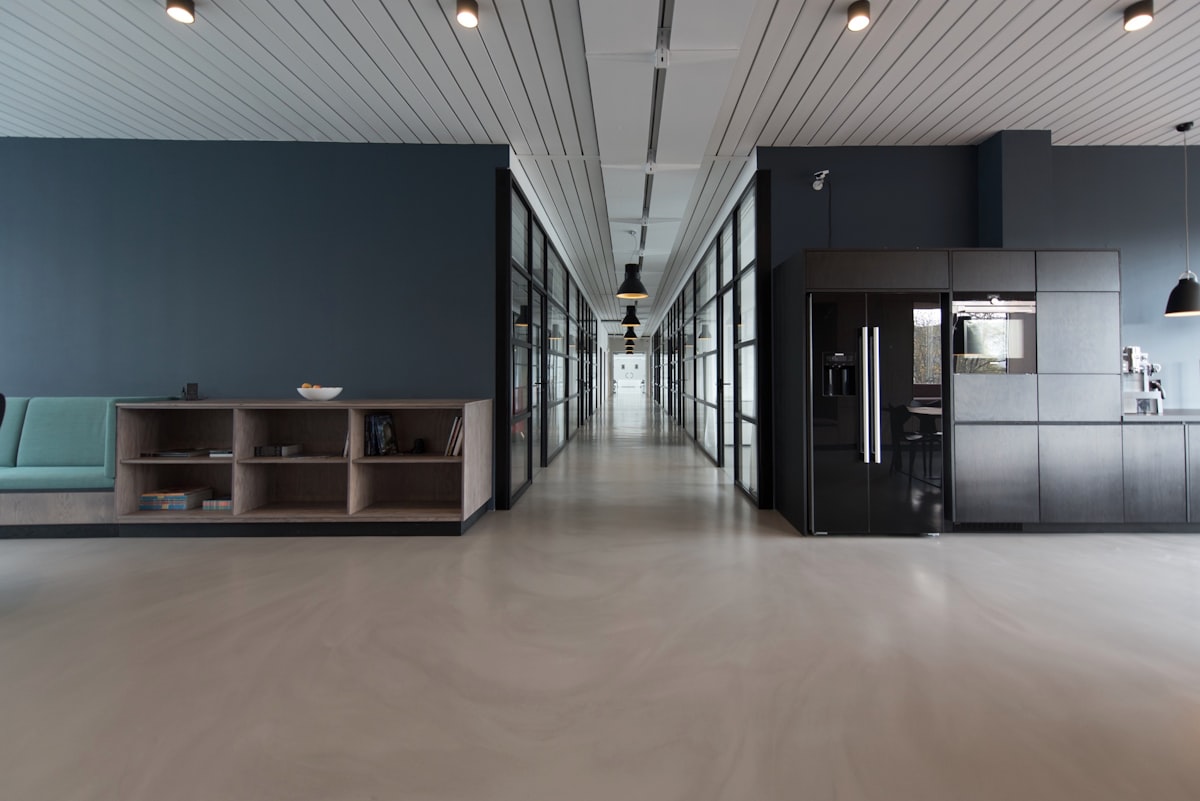
Professional Nightly Corporate Office Detailing & Microfiber Sanitization in Clark County — Mayberry's Maids (702) 474-6243
In the competitive commercial real estate hubs flanking the Sunset corridor, Dean Martin Drive, Summerlin West, and Spring Valley, facility executives and asset managers face relentless pressure to stabilize operational budgets. When janitorial tenders arrive across your desk, the temptation to award service to the lowest line-item bidder is understandable. On a spreadsheet, cleaning is frequently mischaracterized as an undifferentiated commodity. In physical practice, however, procurement decisions based solely on bottom-tier pricing inevitably trigger a cascade of deferred maintenance, accelerated asset degradation, and unacceptable premises liability.
When a cleaning contractor presents a bid that severely undercuts standard operational metrics, they have not discovered an innovative efficiency; they have engineered an aggressive labor deficit. To understand where those missing operational hours vanish, one must analyze the unforgiving physics of the Mojave Desert environment, the precise chemistry of surface disinfection, and the contractual governance protecting your facility.
The Physics of Desert Particulates: Caliche Dust vs. 4-Stage HEPA Filtration
Operating a commercial facility in Southern Nevada requires managing particulate loads that humid coastal markets never encounter. Las Vegas sits within an arid basin saturated with caliche—a hardened concrete-like sedimentary deposit composed of calcium carbonate, clays, and abrasive silica. Every vehicular transit along Dean Martin Drive and every gust sweeping down from the Spring Mountains delivers micron-scale silica particulates into air handling plenums, storefront entries, and carpet matrices.
Low-bid janitorial providers rely on outdated string mops and consumer-grade, single-pass upright vacuums. These machines pull heavy particulate across commercial carpet piles, shearing fiber tufts through microscopic abrasive friction, while expelling sub-micron dust straight back into the breathing zone through porous exhaust bags. Within 18 months, commercial loop-pile carpets develop permanent traffic-lane graying, and central HVAC air-intake filters clog prematurely.
Professional mitigation demands industrial-grade, 4-stage HEPA filtration equipment engineered to capture 99.97% of particulates down to 0.3 microns. By deploying specialized backpack units sealed against leakage, high-standard commercial office cleaning in Las Vegas intercepts abrasive silica before it binds to delicate server rack intake fans, executive desktop keyboards, and delicate flooring substrates.
The Chemical Reality: Wet Dwell Times vs. Cosmetic 'Wipe-and-Run'
The most dangerous shortcut taken by distressed-margin crews occurs during surface sanitization. Pathogen containment is governed strictly by chemical kinetics. Hospital-grade quaternary ammonium compounds, hydrogen peroxide formulations, and EPA List N disinfectants do not eliminate bacterial and viral loads upon instantaneous contact.
Surface disinfection is not an aesthetic act—it is a biochemical reaction governed strictly by wet chemical contact dwell times. If the chemical does not remain visibly wet on the substrate for the manufacturer-mandated duration, disinfection has not occurred.
Achieving true sanitization across touchpoints—conference table perimeters, biometric access panels, breakroom handles, and stairwell railings—requires deliberate wet contact dwell times ranging between 3 and 10 minutes depending on the active agent. Low-ball contractors allot their crews insufficient minutes per square foot. Their staff must sprint through corridors, misting diluted surfactant and wiping it immediately dry with a soiled cotton rag. This cosmetic "wipe-and-run" method fails to kill pathogens; worse, it spreads cross-contamination from restrooms directly onto executive desking.
Labor Arbitrage and the Security Vulnerability of 1099 Crews
Janitorial operational costs are overwhelmingly tied to human labor. When a contractor underbids the market by 30% to 40%, the deficit is inevitably balanced through unauthorized subcontracting and 1099 labor arbitrage. Facilities throughout Spring Valley and the Sunset corridor house intellectual property, proprietary financial data, and sensitive client records. Entrusting after-hours physical keys, digital fobs, and master alarm codes to unvetted, high-turnover independent contractors introduces existential security vulnerabilities.
At Mayberry's Maids, we operate on a completely divergent structural foundation. Having maintained commercial facilities across Clark County for over 35 continuous years, owner Gil mandates direct W-2 operational teams backed by comprehensive general liability, umbrella bonding, and rigorous background verification. Dedicated night supervisors maintain verified chain-of-custody protocols over access credentials, ensuring multi-tenant office suites and commercial headquarters remain physically secure while routine deep detailing takes place.
The 5-Minute Nightly Self-Audit for Facility Managers
Facility managers do not need specialized auditing equipment to evaluate whether their existing night service is cutting corners. Inspect your property tonight using this four-point diagnostic rubric:
- The Plenum & Horizontal Frame Wipe: Run a dark microfiber cloth across the top edge of your interior office doors, partition frames, and HVAC return registers. Thick, gritty dust indicates low-bid dust-feathering rather than electrostatic vacuum containment.
- The Baseboard Mop Slurry Line: Look closely at the junction where hard surfaces meet vinyl baseboards. A continuous dark, hardened rim of dirt reveals that wet mops are redistributing soiled wash water to the perimeters rather than removing suspended soils.
- The Janitorial Closet Chemistry Inspection: Open the on-site janitorial closet. Are secondary chemical bottles unlabeled or filled with mystery blue solvents? Legitimate commercial operations use closed-loop dilution dispensing systems calibrated with accurate safety data sheets (SDS) and distinct, color-coded microfiber regimes.
- The Keyboard and Stanchion Inversion: Lightly tilt an office keyboard or inspect the weighted base of a lobby stanchion. Accumulated grit reveals that routine surface detailers are cleaning around perimeter obstacles rather than conducting true detail extraction.
Protecting Your Property Asset Value
Sub-market cleaning bids offer the illusion of short-term budgetary savings, but they quietly transfer heavy capital costs onto your balance sheet through premature carpet replacement, degraded tenant retention, and elevated premises risk. Elevating your facility requires an operational partner who understands the mechanical demands of Clark County commercial infrastructure.
We invite commercial property managers, asset directors, and business owners throughout Las Vegas to evaluate their facility standards. Contact Gil directly to schedule a complimentary 15-minute on-site walkthrough inspection. Call our local central hub at (702) 474-6243 or email sales@wecleanlasvegas.com to examine your current scope of work and identify critical operational gaps before they compound into structural expenses.

Comments
Post a Comment