The True Cost of Cheap Janitorial: Why Low-Ball Cleaning Bids Erode Class-A Commercial Assets in Las Vegas
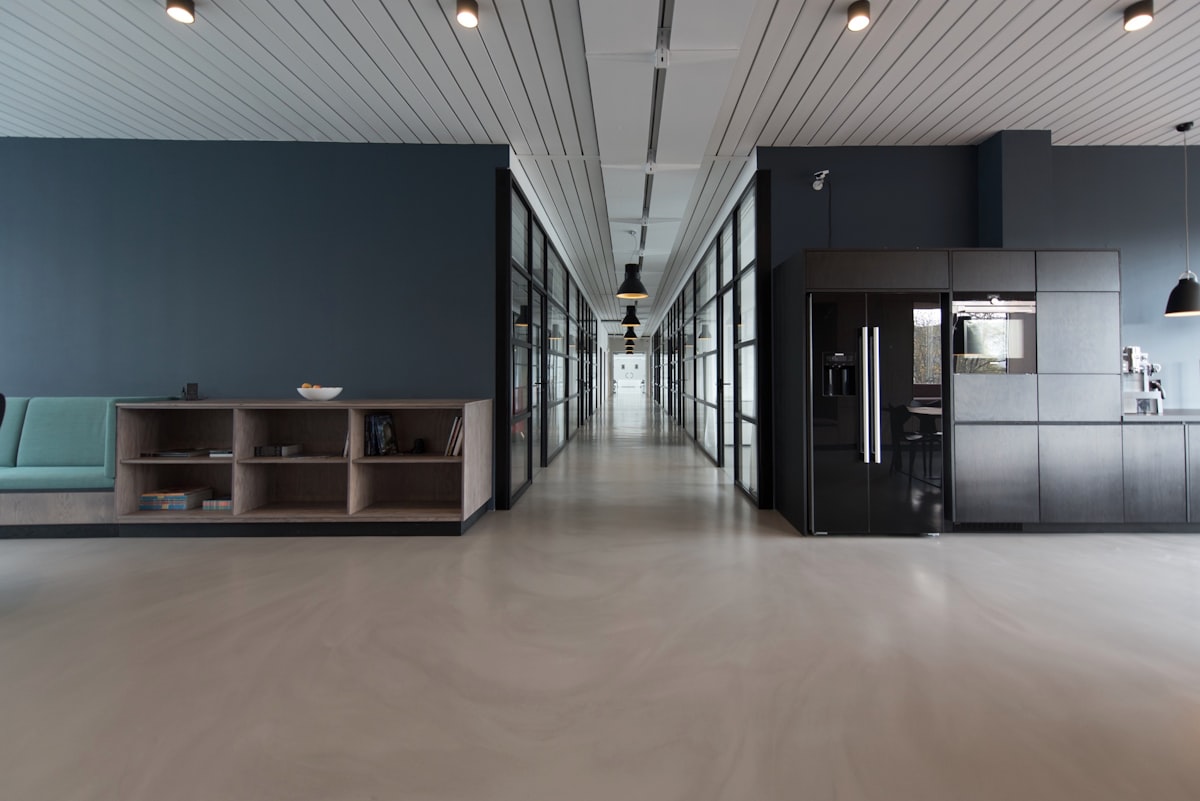
Professional Nightly Corporate Office Detailing & Microfiber Sanitization in Clark County — Mayberry's Maids (702) 474-6243
For commercial facility directors, asset managers, and property supervisors managing mid-rise developments and corporate campuses across the Sunset corridor, Dean Martin Drive, Spring Valley, and Summerlin West, the janitorial RFP process is fraught with unseen operational hazards. On a spreadsheet, cleaning services are frequently treated as a fungible commodity—an operational line item where the lowest responsible bidder wins by default. However, in the high-stakes commercial real estate landscape of Clark County, a low-ball janitorial bid is rarely an indicator of operational efficiency. Instead, it is an algorithmic deferment of physical plant maintenance that inevitably transfers costs back onto the property’s capital expenditure balance sheet.
The Caliche Factor: Why Mojave Desert Physics Penalizes Substandard Cleaning
Las Vegas presents an environmental cleaning challenge fundamentally distinct from almost any other metropolitan commercial market in North America. The Las Vegas Valley basin sits atop heavy deposits of caliche—a hardened concrete-like stratum composed of sedimentary calcium carbonate cemented with high concentrations of silica dust. Driven by ambient valley winds, construction along the 215 Beltway, and high-volume foot traffic, sub-micron caliche particles continuously infiltrate commercial building envelopes.
When an under-resourced janitorial contractor deploys untrained staff with inadequate equipment, this particulate is not remediated; it is redistributed. Conventional low-bid contractors rely on standard continuous-filament domestic upright vacuums or exhausted multi-surface floor sweepers. Without certified 4-stage True HEPA filtration capable of trapping particulates down to 0.3 microns at 99.97% efficiency, high-velocity exhaust streams simply aerosolize razor-sharp silica particles into your executive suites. These microscopic abrasive shards settle onto sensitive server room electronics, scratch high-traffic commercial VCT and quartz tile, and shred the synthetic fibers of commercial carpet tiles. What appears to be standard carpet wear in an executive suite along Dean Martin Drive is frequently micro-abrasive fiber destruction caused by caliche grit left unextracted by substandard equipment.
The Dwell Time Fallacy: Surface Swiping vs. True Biocidal Sanitization
In the rush to satisfy razor-thin labor hours mandated by rock-bottom bids, cleaning technicians are routinely forced into sprint-style surface maintenance. This practice introduces one of the most pervasive hygiene liabilities in commercial environments: the total abandonment of chemical contact dwell time.
Hospital-grade, EPA-registered quaternary ammonium disinfectants (commonly used for Class-A office touchpoints) require a sustained wet contact time—typically between 5 and 10 continuous minutes—to denature viral envelopes, break down biofilm, and neutralize bacterial pathogens. In low-bid janitorial sweeps, workers execute a simultaneous “spray-and-wipe” motion using saturated or contaminated microfiber towels. Wiping a wet biocide within three seconds of application accomplishes nothing more than drying the surface, neutralizing the disinfectant’s efficacy, and cross-contaminating pathogens from restroom flush valves to communal breakroom door hardware.
Furthermore, improper chemical dilution creates a secondary operational hazard: surfactant residue. When low-tier contractors fail to accurately meter cleaning concentrates, excess chemical film remains bonded to solid surfaces. This invisible, sticky polymer matrix acts as a biological magnet, binding airborne silica dust and epidermal skin flakes directly to your desks, handrails, and elevator call buttons within hours of the shift ending. True sanitization requires structured custodial chemistry delivered by trained professionals specializing in commercial office cleaning in Las Vegas.
Labor Structure: W-2 Accountability vs. Subcontracted 1099 Vulnerability
The financial mechanics of an unrealistically low cleaning bid always hinge on a single operational lever: labor compensation and compliance. Property managers who accept unvetted low bids unknowingly expose their physical facilities to severe security and legal liabilities via third-tier 1099 subcontracting rings.
When cleaners are misclassified as independent contractors or cycled through temporary staffing pools at hyper-inflated turnover rates, critical physical security protocols collapse:
- Keycard and Access Control Breaches: Facilities housing financial services, legal records, or proprietary medical data in Summerlin West or Spring Valley require strict chain-of-custody logging. Untracked contractors present acute compliance vulnerabilities under SOC 2, HIPAA, and GLBA frameworks.
- Clean Desk Non-Compliance: Untrained nightly crews operating without supervised protocols create acute data-security exposure by disturbing confidential files, whiteboards, and client documents left on workstations.
- Uninsured Premise Liability: Inadequate workers' compensation coverage among unvetted sub-tier labor leaves the property ownership group exposed to direct third-party tort claims in the event of an after-hours slip, fall, or chemical accident on-site.
By contrast, enterprise-grade facilities management relies on fully vetted, direct W-2 custodial specialists who work under strict supervisor sign-offs, standardized security checks, and consistent institutional oversight.
The 5-Minute Nightly Self-Audit: Diagnosing Your Janitorial Failure Points
Property managers and facility engineers do not need specialized forensic tools to identify whether their current cleaning provider is cutting critical corners. You can execute this 4-point diagnostic inspection in your building tonight in under five minutes:
- The Top-of-Doorframe Caliche Swipe: Run a clean index finger along the top edge of any interior executive office doorframe or architectural exit sign. If you pull away a gritty, chalky white-gray sediment, your contractor is ignoring vertical dusting protocols and your HVAC returns are actively circulating abrasive caliche silica through the tenant breathing zone.
- The High-Touch Surfactant Tactility Check: Press your thumb firmly against the main breakroom refrigerator handle or conference room door plate for three seconds and pull away slowly. If the metal feels faintly tacky or exhibits a localized cloudy sheen, your vendor is using improper chemical dilutions that leave pathogen-trapping chemical residue.
- The Vacuum Exhaust Light Test: Step into a carpeted hallway while the nighttime cleaning crew is operating. Shine a focused LED flashlight beam across the exhaust port of the floor machine. If you see visible micro-plumes floating in the light shaft, the machine lacks sealed 4-stage HEPA filtration, indicating that particulate is being blown straight into your ambient air.
- The Porcelain Base Threshold Audit: Inspect the perimeter floor joint around the base of the primary executive restroom toilets. If you observe yellowed, dark, or calcified grout lines, your cleaning crew is using flat mops that push soil into corners rather than deploying enzymatic cleaners and controlled extraction to remove uric salts and hard-water mineral bonding.
“Cleanliness in a commercial facility is not cosmetic; it is an engineering discipline that protects asset longevity, air quality, and tenant retention.”
Protecting the Asset: The Institutional Approach
A corporate facility represents a multi-million-dollar physical asset. Entrusting its day-to-day hygiene and surface preservation to an unvetted, discount cleaning contractor is an asymmetric risk that consistently results in premature carpet replacement, damaged finishes, elevated tenant churn, and compromised workplace health metrics.
For over 35 continuous years, Mayberry's Maids has anchored commercial property preservation across Clark County. Operating from our central facility in NV 89103, our institutional methodology is overseen directly by ownership, ensuring that every facility under our care receives rigorous, mathematically sound cleaning protocols engineered specifically for the harsh conditions of the Southern Nevada desert.
Rather than relying on speculative estimates, we invite Clark County commercial property managers, building owners, and facility supervisors to schedule a complimentary 15-minute on-site walkthrough inspection directly with our owner, Gil. We will review your current custodial scope of work, inspect your high-wear surface vulnerabilities, and present a structured operational plan to restore and maintain your facility’s baseline standard.
Contact Gil directly today at (702) 474-6243 or via email at sales@wecleanlasvegas.com to schedule your on-site physical plant audit.

Comments
Post a Comment