The Physics of Dust: The Hidden Operational Cost of Low-Ball Commercial Cleaning Bids in Las Vegas
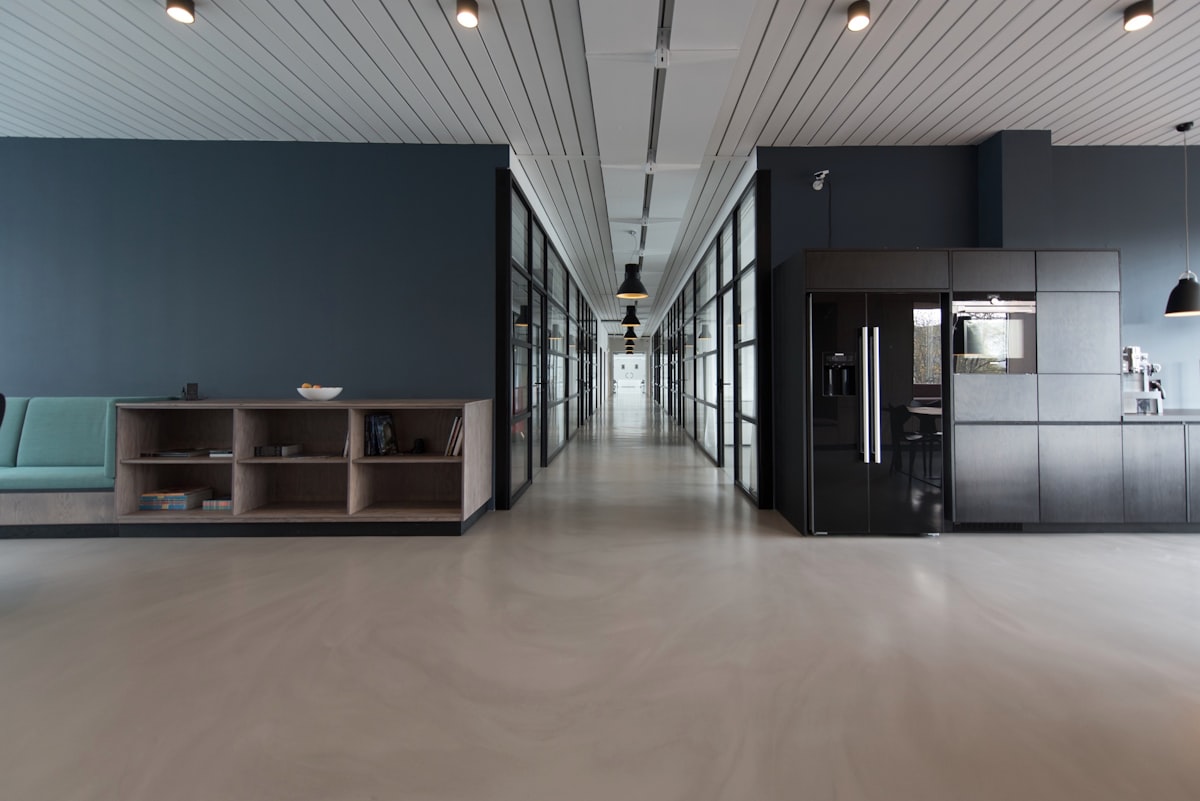
Professional Nightly Corporate Office Detailing & Microfiber Sanitization in Clark County — Mayberry's Maids (702) 474-6243
Commercial facility managers along the Sunset corridor, up Dean Martin Drive, and across the corporate parks of Spring Valley and Summerlin West frequently face a familiar budget temptation: the cut-rate janitorial proposal. On a procurement spreadsheet, an RFP line item that cuts monthly facility overhead looks like an immediate victory. On the facility floor, however, low-ball bids represent an aggressive transfer of cost—shifting expenses from operational cleaning directly into accelerated carpet replacement, damaged architectural surfaces, heightened indoor air quality liabilities, and compromised building security.
For more than 35 continuous years operating out of our central Clark County hub in NV 89103, Mayberry's Maids has evaluated hundreds of facilities transitioning out of failed contractor agreements. The operational autopsy is almost always identical: when a cleaning contractor submits a bid significantly below regional market viability, they cannot cut fixed supply costs or chemical manufacturing standards. They cut two specific variables: labor time on site and the technical caliber of personnel.
The Mojave Particulate Problem: Caliche Silica Dust Physics
Las Vegas office parks do not operate in a standard atmospheric environment. Southern Nevada sits in a high-wind alluvial basin defined by caliche—a hardpan composite of calcium carbonate, sediment, and crystalline silica. When outdoor construction corridors along the I-215 beltway churn this particulate, microscopic silica crystals (often under 2.5 microns) infiltrate commercial building envelopes via positive-pressure air curtains, loading docks, and HVAC fresh-air intakes.
Under a microscope, caliche silica is not soft domestic dust; it is an abrasive, sharp-edged mineral. When low-cost janitorial crews are given only 45 minutes to execute a three-hour commercial footprint, they inevitably rely on dry polyester dusting wands and standard single-stage commercial upright vacuums. This creates a severe mechanical failure mode:
- Particulate Resuspension: Inferior vacuums and dry dusters do not capture 2-micron caliche; they pulverize it into finer fractions and exhaust it directly into the office breathing zone, where it remains suspended for hours.
- Fiber Shearing: Settled silica granules sit at the base of commercial carpet tiles. When office chairs roll across these un-extracted particles, the silica acts like microscopic glass blades, shearing commercial nylon fibers at the root and creating permanent "traffic wear patterns" within 18 months.
- HVAC Choke: Suspended particulates are continually pulled through return air diffusers, clogging secondary filters and placing unbudgeted load on rooftop unit (RTU) compressor banks.
Proper mitigation requires engineered extraction: commercial-grade four-stage HEPA filtration systems certified to trap 99.97% of particulates down to 0.3 microns, paired with electrostatic microfiber capturing agents that neutralize caliche's ionic surface charge instead of fanning it into the air.
The Disinfection Fiction: Quaternary Dwell Time vs. "Spray and Wipe"
Another operational shortcut baked into low-ball bids is the violation of basic biochemical dwell times. Standard broad-spectrum commercial disinfectants (whether hospital-grade quaternary ammonium compounds or accelerated hydrogen peroxide solutions) rely on chemical exposure kinetics. To penetrate bacterial biofilms and denature viral protein envelopes on high-touch touchpoints—such as conference room credenzas, elevator calls, biometric scanners, and commercial restroom fixtures—the liquid chemical must maintain an unbroken wet film across the substrate for a specific duration.
Depending on EPA registration schedules, this contact dwell time requires between three and ten continuous minutes. A contractor operating on a threadbare margin cannot afford to let technicians wait for legitimate chemical contact dwell times. Instead, workers are pressured into "wipe-on, wipe-off" mechanics, spraying a surface and drying it immediately with a soiled rag. This does not disinfect the surface; it merely spreads pathogens from one workstation across an entire departmental floor, fostering cross-contamination that spikes tenant sick-leave rates during peak winter commercial cycles.
The Nighttime Liability: Unvetted 1099 Labor vs. Accountable W-2 Teams
The deepest hidden cost of bargain janitorial services rarely appears in cleaning logs—it surfaces in physical security and asset exposure. To hit sub-market bids, fly-by-night operations frequently farm out nightly detailing to unvetted independent sub-contractors (1099 labor) or transient workers experiencing triple-digit annual turnover rates. This practice directly compromises corporate compliance:
- Keycard & Biometric Control: Unsupervised subcontractor churn increases keycard credential leakage, alarm code vulnerability, and unmonitored evening egress into restricted executive suites and server rooms.
- Chain-of-Custody Failure: If sensitive architectural documents, intellectual property, or confidential client records disappear or suffer water damage, third-party subcontract arrangements insulate the principal broker through layered LLC shells, leaving property managers legally exposed.
Securing high-compliance corporate offices requires dedicated, direct W-2 cleaning technicians backed by thorough state background checks, uniform identification protocols, and accountable operational management overseen directly by ownership.
The 5-Minute Nighttime Self-Audit Rubric
Property and facility managers can evaluate whether their current cleaning vendor is cutting corners by executing this four-point diagnostic audit tonight before leaving the office:
- The High-Diffuser Finger Check: Run an index finger across the top edge of a high return-air ceiling grille or door frame moulding. If a chalky, greyish-white mineral film coats your finger, your vendor is using standard dry dusters that redistribute caliche rather than capturing it with damp microfiber agents.
- The Chair-Base Edge Test: Inspect the recessed 90-degree angle where office baseboards meet the low-pile commercial carpet behind your desk. If there is a distinct line of dark gray debris, your cleaning crew is only vacuuming open lane lines and omitting high-efficiency wand crevice detailing.
- The Chemical Residue Test: Rub a damp paper towel firmly across a breakroom laminate counter or boardroom table that was allegedly disinfected last night. If the towel foams or shows a sticky, yellowed film, your cleaners are using over-concentrated, improperly diluted chemical mixtures to mask unremoved biological soils.
- The Waste Can Rim Inspection: Look beneath the plastic liner around the interior rim of conference room waste cans. Low-bid cleaners routinely pull trash liners without wiping the structural lip, creating an invisible reservoir for anaerobic bacterial growth and recurring office odors.
Establish Professional Operational Standards for Your Facility
Elevating your facility's environment requires deliberate technique, commercial-grade equipment, and reliable execution. If your current service provider is cutting corners to survive an artificially low bid, your physical plant is quietly bearing the cost. Professional commercial office cleaning in Las Vegas is not an arbitrary expense—it is preventative maintenance for your real estate asset.
"When an office cleaning bid sounds too good to be true, the contractor isn't discounting their margin; they are quietly discounting your property value."
We invite building owners, asset managers, and corporate operations directors throughout the Sunset corridor, Spring Valley, Summerlin West, and across Clark County to schedule a complimentary 15-minute on-site walkthrough inspection. Gil will personally evaluate your square footage, assess high-traffic wear vectors, and provide a comprehensive operational detailing specification. Call direct at (702) 474-6243 or email sales@wecleanlasvegas.com to secure an executive walkthrough.

Comments
Post a Comment