The Mojave Dust Tax: Why Standard Commercial Vacuums Choke in Nevada and Damage Your HVAC System
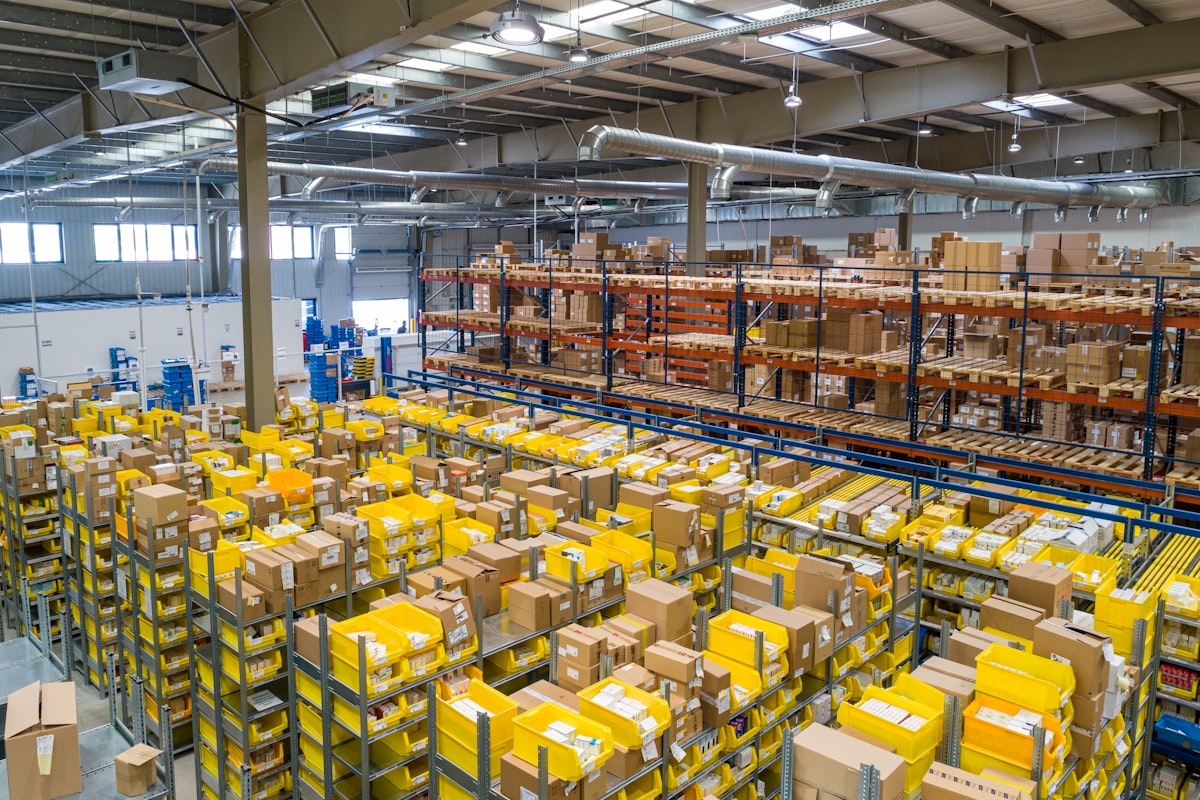
Heavy-Duty Warehouse Floor Scrubbing & High-Efficiency Desert Dust Extraction Protocols — Mayberry's Maids (702) 474-6243
Across the industrial arteries of the Las Vegas Valley—from the fabrication warehouses flanking Cameron Street and Valley View Boulevard down to the high-bay complexes along Post Road and North Las Vegas—a silent, expensive mechanical breakdown occurs nightly. Facility managers overseeing exhibit fabrication, millwork, and light assembly understand the frantic pace of trade show season. But few budget for the invisible line-item steadily bleeding their operating reserves: what seasoned engineers call the Mojave Dust Tax.
The Physics of Mojave Particulate vs. Traditional Commercial Vacuums
Off-the-shelf commercial vacuums and stock single-stage shop extractors are engineered for inert, high-humidity ambient dust—fluff, lint, and generic urban loam. The Mojave Desert offers no such hospitality. Clark County soil is dense with caliche, a concrete-like sedimentary rock composed of calcium carbonate, trace salts, and pulverized crystalline silica. When ground down by heavy forklifts and mixed with the micro-fine sawdust generated in high-output exhibit construction, these particles fragment down to an aerodynamic diameter under 2.5 microns (PM2.5).
Standard commercial vacuums employ generic single-stage cloth or paper bag filters calibrated only for particles 10 microns and larger. When caliche silica dust hits these systems, two failure states occur immediately:
- Filter Blindness and Static Blowby: High-velocity caliche dust impacts porous filter media, wedging sharply into the microscopic pores within seconds. Static pressure inside the canister spikes, air movement drops below critical capture velocity, and the exhaust motor begins blowing microscopic silica directly through the housing seams back into ambient warehouse air.
- Sub-Micron Motor Erosion: Because standard vacuums lack genuine physical isolation between the motor intake and filtration canister, sub-micron caliche grit bypasses the seal. Caliche dust acts as an abrasive lapping compound, grinding down carbon motor brushes, gouging commutators, and causing vacuum motor burnout within 60 to 90 operational days.
How Escaped Silica Destroys Commercial Rooftop HVAC Units (RTUs)
The damage does not stay at floor level. When substandard cleaning equipment aerosolizes fine particulate rather than capturing it, the building's mechanical air handlers act as the ultimate collection point. Industrial air systems along the Valley View and Post Road corridors run high static air turnover to maintain baseline indoor air quality. When standard vacuums re-suspend micro-fine caliche and MDF sawdust into the ambient volume, your rooftop units (RTUs) pay the price.
"Standard exhaust blowback transforms floor-level dust into airborne abrasive grit, caking RTU evaporator coils, destroying thermal transfer, and forcing industrial compressor cycling in 110-degree desert heat."
Silica and resin-rich sawdust coat wet evaporator coils, rapidly forming a semi-cured, insulating crust. Static head pressure rises, fan motor amperage spikes, and heat exchange capacity plummets. Within three operational quarters, a facility that relies on conventional cleaning protocols faces frozen coils, blown compressor heads, and premature multi-ton system replacements—all traceable directly back to vacuum exhaust failure on the warehouse floor.
The Commercial Remediation Standard: True Extraction and Wet Chemical Dwell Times
Mitigating the Mojave Dust Tax requires commercial containment protocols designed specifically for hyper-arid desert physics. Effective abatement relies on two non-negotiable engineering principles:
- Four-Stage True HEPA Filtration: Industrial vacuum extraction must pass through cyclonic bulk separation, secondary pleated pre-filtration, micro-pore tertiary baffles, and finally a certified DOP-tested HEPA cell capturing 99.97% of particulate down to 0.3 microns. By the time exhaust air returns to the warehouse, it contains zero abrasives that can migrate into overhead supply air plenums.
- Engineered Wet Chemical Contact Dwell Times: Dry sweeping or aggressive dry buffing caliche-laden concrete floors simply creates an aerosol plume. Effective concrete mitigation requires professional, dual-brush industrial warehouse floor scrubbing and sawdust extraction utilizing specialized neutral surfactants. These non-filming chemistries suspend fine silica rather than turning it into an alkaline slurry paste, allowing industrial squeegee assemblies to achieve full mechanical lift before RTU intake streams pull the mist upward.
Furthermore, execution requires verified personnel. Facilities housing proprietary trade show builds, sensitive mechanical equipment, and custom architectural Millwork cannot afford revolving-door subcontracted labor. Professional maintenance demands uniformed, W-2 certified custodial technicians governed by strict building-access and chain-of-custody protocols.
The 5-Minute Facility Self-Audit: Check Your Floor Tonight
Before closing your facility this evening, walk your production floor and conduct this rapid four-point diagnostic:
- 1. The High-Bay Joist Swipe: Wipe a clean, dark glove across any structural steel beam or conduit ten feet above the floor. If you pick up a chalky, powder-fine grey film rather than fibrous sawdust, your floor vacuuming equipment is aerosolizing sub-micron caliche instead of capturing it.
- 2. The RTU Intake Face Check: Inspect the primary pleated return-air filters on your production area handlers. If the filter media is completely blanketed with a tan, cement-like crust rather than grey lint, floor-level extraction is failing.
- 3. The Canister Exhaust Test: Hold a clean, damp white microfiber towel six inches from the exhaust port of your current commercial vacuum while running under load for 30 seconds. If the towel shows any discoloration, the unit is actively venting silica back into your breathing zone.
- 4. The Concrete Pore Slurry Test: Inspect the expansion joints and surface pores of your slab. If a sticky, grey haze persists despite recent mopping, unbuffered cleaning chemistry is precipitating caliche minerals deeper into the concrete matrix.
Secure Your Industrial Infrastructure
Dust mitigation in Clark County is not an aesthetic preference—it is a critical mechanical asset protection strategy. For over 35 continuous years across Clark County, Mayberry's Maids has engineered specialized commercial cleaning protocols calibrated specifically for Southern Nevada's aggressive environmental demands. Operated out of our central hub in 89103, our team provides the rigorous oversight required to safeguard your plant, your equipment, and your air quality.
Stop subsidizing the Mojave Dust Tax through premature equipment failure. Contact company owner Gil directly to coordinate an authoritative, complimentary 15-minute on-site walkthrough inspection of your industrial footprint. Call (702) 474-6243 or email sales@wecleanlasvegas.com to schedule your diagnostic evaluation today.

Comments
Post a Comment