The Mojave Dust Tax: Why Standard Commercial Vacuums Choke in Nevada and Damage Your HVAC System
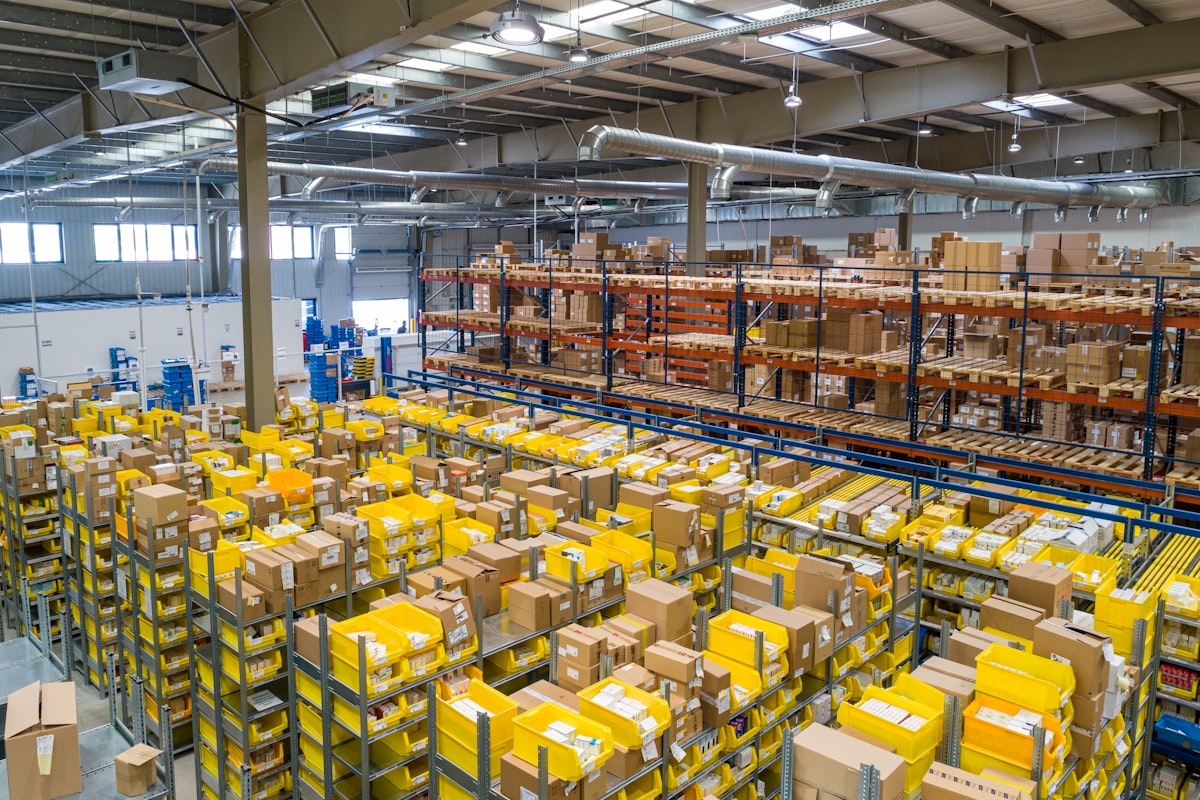
Heavy-Duty Warehouse Floor Scrubbing & High-Efficiency Desert Dust Extraction Protocols — Mayberry's Maids (702) 474-6243
The Mechanical Physics of Caliche: Why Off-the-Shelf Janitorial Gear Fails in Clark County
Operating a light manufacturing plant, modular trade show build shop, or custom fabrication facility across the Post Road, Cameron Street, or Valley View corridors means confronting an environmental adversary unique to Southern Nevada: caliche-laden Mojave silica dust. Unlike organic topsoil or humid Midwest loam, Clark County dust is an ultra-fine, chemically alkaline composite of calcium carbonate (CaCO3) cemented with pulverized crystalline silica. Measuring frequently below 2.5 microns, these microscopic mineral shards carry a Mohs hardness rating between 6 and 7, granting them the abrasive properties of crushed industrial quartz.
When an exhibit builder’s crew or warehouse maintenance team deploys a standard off-the-shelf commercial vacuum—even one marked 'heavy duty'—disaster quietly unfolds inside the motor housing. Standard commercial canisters rely on basic pleated paper or porous single-layer synthetic bags that arrest debris only down to 10 or 15 microns. Because sub-micron caliche dust passes unimpeded through these standard weaves, the vacuum acts not as an extraction tool, but as an aerosolizing centrifuge. High-velocity mineral particulate bypasses the containment chamber, impacts the high-RPM motor cooling fan, erodes copper commutator windings via micro-sandblasting, and vents back into the ambient facility envelope as an invisible, floating particulate cloud.
The HVAC Death Spiral: How Particulate Bleed Destroys Mechanical Plant Assets
Once caliche dust is aerosolized by insufficient extraction equipment, air displacement dynamics within high-bay light industrial spaces inevitably pull the plume toward rooftop package units and makeup air handlers. In facilities producing medium-density fiberboard (MDF) sawdust alongside architectural metal framing—common in the North Las Vegas Industrial sector—this airborne silica bonds with lignocellulose fibers and aerosolized adhesive resins.
The mixture is drawn directly across your HVAC evaporator coils. Moisture condensing along the aluminum cooling fins activates the alkaline calcium carbonate, transforming airborne dust into a semi-permanent, calcified crust. The operational consequences are rapid and financially devastating:
- Static Pressure Spikes: As laminar airflow across cooling fins chokes, evaporator static pressure climbs, forcing supply blowers to pull higher continuous amperage.
- Insulative Heat Transfer Blockade: A mere 0.042-inch layer of calcified silica-fiber buildup reduces heat transfer efficiency across copper refrigerant lines by over 21%, according to standard refrigeration mechanics.
- Compressor Short-Cycling: System head pressures soar, driving continuous thermal trips and accelerating catastrophic compressor burnout in the middle of extreme triple-digit summer heat.
"Off-the-shelf vacuums in Las Vegas are essentially particulate air accelerators. If your maintenance equipment does not feature true, certified multi-stage containment, you are systematically pumping your facility floor directly into your HVAC coils." — Gil, Founder of Mayberry's Maids
Industrial Extraction Protocols: Multi-Stage Filtration, Dwell Chemistry, and Floor Scrubbing Engineering
Halting this wear-and-tear cycle requires transitioning from consumer-grade janitorial techniques to rigorous physical plant hygiene. True containment demands specialized equipment configurations and precise industrial chemistry:
1. 4-Stage True HEPA Filtration
True containment vacuums require four discrete barrier tiers: an electrostatically charged primary filter bag, a secondary micro-cloth defensive barrier, an airtight motor-protection filter, and a terminal H14 HEPA stage certified to capture 99.97% of particles down to 0.3 microns. Every access door, seal, and hose connection must feature closed-cell neoprene gaskets under mechanical latch tension to eliminate air-bleed bypass.
2. Wet Chemical Contact Dwell Times
You cannot sweep desert silica off porous concrete slabs; micro-fractures in unfinished industrial floors swallow fine powder, only to exhale it under heavy forklift traffic. Eliminating dust requires surfactant-rich neutral chelating agents formulated to lower water's surface tension. The chemical wash must achieve a strict wet dwell time of 8 to 12 minutes, dissolving ionic bonds between the alkaline caliche and the porous concrete substrate before physical agitation begins.
3. Mechanical Slurry Extraction
Rather than pushing dirty water with mops, facilities require dedicated industrial warehouse floor scrubbing and sawdust extraction utilizing contra-rotating cylindrical brushes operating at high downpressure. The integrated high-vacuum squeegee assembly immediately lifts the emulsified mineral slurry into a sealed recovery tank, preventing micro-silica from redepositing into the slab's pores.
4. W-2 Verified Execution
Specialized fabrication environments house trade-secret trade show builds, automated CNC arrays, and expensive inventory. Utilizing transient day-laborers or gig-economy subcontractors exposes the plant to severe liability. Rigorous industrial remediation relies on permanently employed, background-checked W-2 technicians operating under explicit security and safety protocols.
The 5-Minute Nightly Self-Audit: Industrial Facility Rubric
Facility managers along Valley View, Post Road, and Cameron Street can verify their indoor environmental containment tonight using this simple 4-point diagnostic inspection:
- The High-Bay Ledge Swipe: Inspect a horizontal beam or unistrut 10 to 14 feet above the shop floor. If the accumulated dust feels gritty and chalky rather than soft, your floor sweepers or shop vacuums are actively exhausting pulverized caliche upward into your plant's air column.
- The HVAC Louver Collar Check: Wipe the interior rim of your overhead supply louvers with a dark microfiber cloth. Heavy gray-white crusting confirms that particulate is bypassing return air filters and baking onto the cooling infrastructure.
- Vacuum Exhaust Plume Test: Run an inspection light directly across the exhaust vent of your active commercial floor vacuum while operating under ambient load. Visible airborne scatter indicates catastrophic filter bypass.
- Concrete Slab Hydro-Sheen Evaluation: Pour two ounces of clean water onto high-traffic forklift aisles. If the water instantly turns milky white or gray before absorbing, your concrete is deeply saturated with caliche powder that standard sweeping cannot dislodge.
Eliminate the Desert Dust Tax on Your Facility
For more than 35 continuous years, Mayberry's Maids has engineered heavy-duty commercial cleaning and industrial environmental solutions across Clark County from our central hub in 89103. Our founder, Gil, approaches facility maintenance through the lens of mechanical preservation, ensuring that your extraction programs safeguard your expensive manufacturing equipment, delicate exhibit displays, and sensitive HVAC infrastructure.
Stop allowing low-grade commercial cleaning tools to damage your rooftop package units. Contact Gil directly to schedule a complimentary 15-minute on-site walkthrough inspection of your light industrial or exhibit fabrication space. Call our local Clark County dispatch desk at (702) 474-6243 or email our operational team at sales@wecleanlasvegas.com today.

Comments
Post a Comment