The Mojave Dust Tax: Why Standard Commercial Vacuums Choke in Nevada and Cripple Industrial HVAC Assets
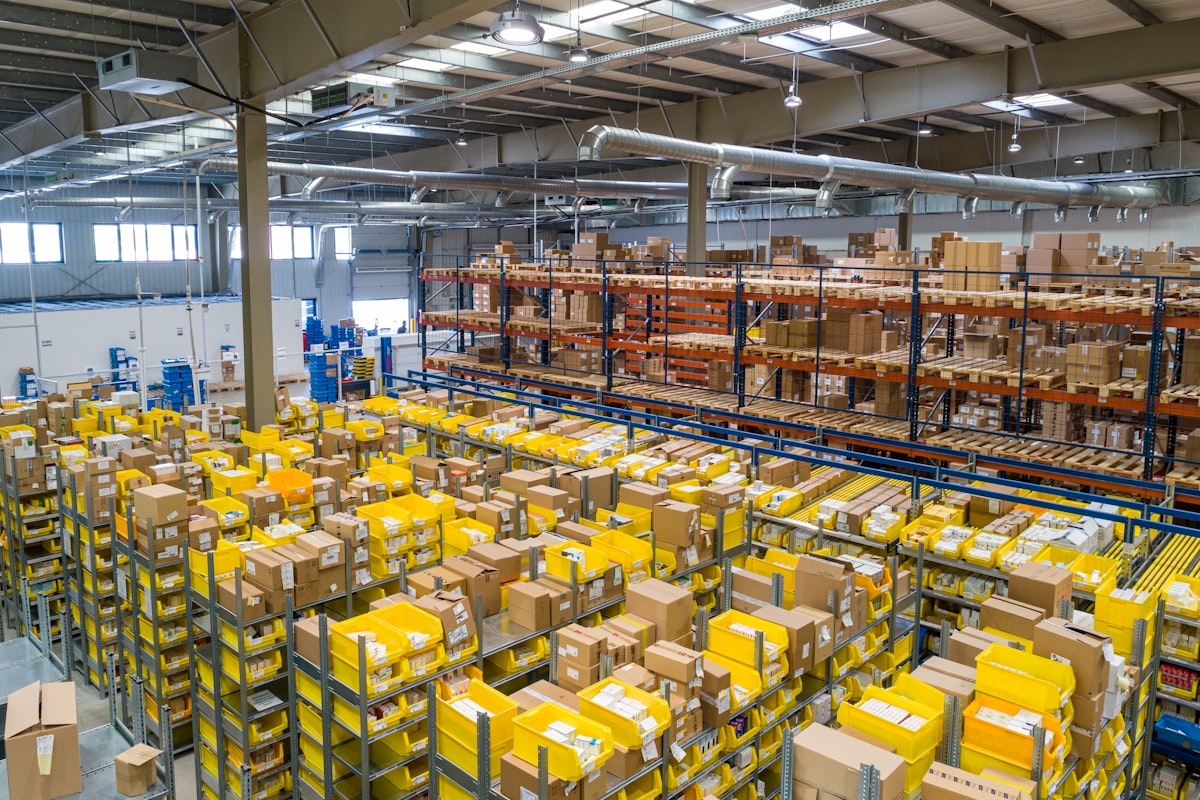
Heavy-Duty Warehouse Floor Scrubbing & High-Efficiency Desert Dust Extraction Protocols — Mayberry's Maids (702) 474-6243
Along the bustling industrial arteries of Clark County—from the high-bay flex spaces on Post Road and fabrication hubs on Cameron Street to the logistics corridors of Valley View Boulevard and the North Las Vegas Industrial zone—facility directors battle an invisible balance-sheet drain: the Mojave Dust Tax.
For exhibit builders fabricating bespoke pavilions for trade shows like CES, SEMA, and World of Concrete, particulate management is often treated as an aesthetic concern handled with a broom and an off-the-shelf single-stage vacuum. That assumption is a catastrophic mechanical error. Standard commercial vacuums operating in Southern Nevada do not capture local particulates; they mechanically fracture them, exhaust them into breathing zones, and funnel them straight into high-tonnage rooftop package HVAC units.
The Mineral Physics of Mojave Caliche and Exhibit Particulates
To understand vacuum failure, one must understand the geological physics of Southern Nevada soil. The valley basin is dominated by caliche—an indurated sedimentary layer formed by calcium carbonate ($CaCO_3$) cementing regional clays, sands, and microcrystalline silica. When building materials, raw timber, and exhibit composites are machined alongside ambient desert air, two distinct particulate profiles collide:
- Friable Caliche Silt (PM2.5 to PM10): Highly alkaline, abrasive, and hygroscopic. Under friction, it breaks down into sub-micron crystalline shards that act as industrial grinding compound within electric motor bearings.
- Wood and Synthetic Polymer Dust: Low-density, high-volume sawdust generated during exhibit construction that rapidly blinds standard single-layer filter bags, cutting air velocity (CFM) by up to 70% within twelve minutes of operation.
When plant operators deploy hardware-store vacuums or consumer-grade dry canisters, the machine's filter pores (rated at 20 to 50 microns) allow sub-micron caliche and silica dust to blow straight through the exhaust port. Worse, the velocity of the exhaust air atomizes these microscopic particles into persistent aerosolized clouds. They stay suspended in warehouse thermal currents until the supply-and-return louvers of your rooftop HVAC system draw them in.
The Mechanical Cascade: From Evaporator Coil Glazing to Static Pressure Spikes
Once bypassed dust enters your ductwork, it encounters evaporator coils running at dew point. Caliche dust is chemically water-seeking. As it strikes the moist aluminum coil fins, the calcium carbonate hydrates, re-crystallizes, and forms an impermeable, cement-like glaze across the heat-exchange surfaces.
A 0.042-inch accumulation of caliche-composite dust on an evaporator coil can cause an immediate 21% drop in thermal transfer efficiency, forcing rooftop compressors to cycle continuously in 115°F summer ambient temperatures until mechanical failure occurs.
Moreover, trying to mop or dry-sweep this particulate load merely smears the alkaline slurry into micro-fissures in warehouse slab concrete. Truly removing this abrasive contamination requires engineered industrial warehouse floor scrubbing and sawdust extraction protocols featuring balanced mechanical agitation, proper wet chemical contact dwell times (typically 8 to 10 minutes for neutral-pH chelating agents), and immediate high-torque recovery.
The Engineering Difference: True 4-Stage HEPA Airpaths
Remediating an active light manufacturing or trade show fabrication floor requires commercial equipment engineered for high-particulate airpaths:
- Cyclonic Pre-Separation: Diverting heavy sawdust and coarse grit into a primary reservoir before reaching filter media, preserving continuous static lift.
- Micro-Fiber Intermediate Stages: Trapping particulates down to 1.0 micron to prevent premature surface-blinding.
- Certified True HEPA Core: Capturing 99.97% of particulates down to 0.3 microns, preventing the hazardous re-aerosolization of respirable crystalline silica.
- Regulated Exhaust Deflection: Dispersing exhaust air across wide-angle baffles to eliminate localized dust kick-up from unsealed floor zones.
The 5-Minute Facility Self-Audit: Assess Your Risk Tonight
Before closing your facility this evening, perform this rapid diagnostic across your production floor and mezzanine offices:
- 1. The High-Ledge Dust Density Rubric: Wipe your finger across the return-air louver or top horizontal lip of a doorframe located 20 feet from the fabrication floor. If the residue is chalky, white-gray, and adheres stubbornly to skin, caliche dust is bypassing your current containment and circulating through your HVAC ducting.
- 2. The Vacuum Exhaust Flashlight Test: Turn off ambient lights in a bay, run your current vacuum for 30 seconds, and shine a high-lumen flashlight across the exhaust stream. Visible twinkling indicates filter bypass—your equipment is functioning as an airborne particulate spreader.
- 3. The Slurry Scratch Test: Wet an unsealed square foot of concrete near your roll-up doors, wait 3 minutes, and scrape the surface with a plastic blade. If you harvest a gritty, paste-like sludge, your dry cleaning methods are embedding abrasive minerals into the slab matrix rather than extracting them.
- 4. The Motor Housing Carbon & Dust Check: Inspect the venting perimeter of your operational vacuums. A dark, powdery ring surrounding the motor exhaust indicates motor brush breakdown caused by abrasive mineral dust ingestion—a leading cause of premature motor burnout.
Facility Protection Anchored by W-2 Security Standards
Light manufacturing and exhibit design facilities along the Valley View and Cameron Street corridors house proprietary intellectual property—from unreleased trade show prototypes to custom architectural components. Contracting gig-economy or sub-contracted janitorial crews introduces critical liability risks.
At Mayberry's Maids, our commercial extraction crews operate under rigorous internal controls. Every operative is a fully vetted, background-checked W-2 employee working under standardized non-disclosure and security procedures. Under the continuous local ownership of Gil for over 35 years in Clark County, we engineer precision maintenance programs specifically calibrated for the environmental realities of the Mojave Desert.
Schedule an On-Site Engineering Walkthrough
Stop paying the hidden Mojave Dust Tax through early HVAC failures, degraded air quality, and compromised building finishes. We invite facility owners, operations heads, and industrial property managers to schedule a complimentary 15-minute on-site walkthrough inspection directly with Gil.
Contact our central Las Vegas team directly at (702) 474-6243 or by email at sales@wecleanlasvegas.com to secure an expert assessment for your facility today.

Comments
Post a Comment