The Mojave Dust Tax: Why Standard Commercial Vacuums Choke in Nevada and Damage Your HVAC System
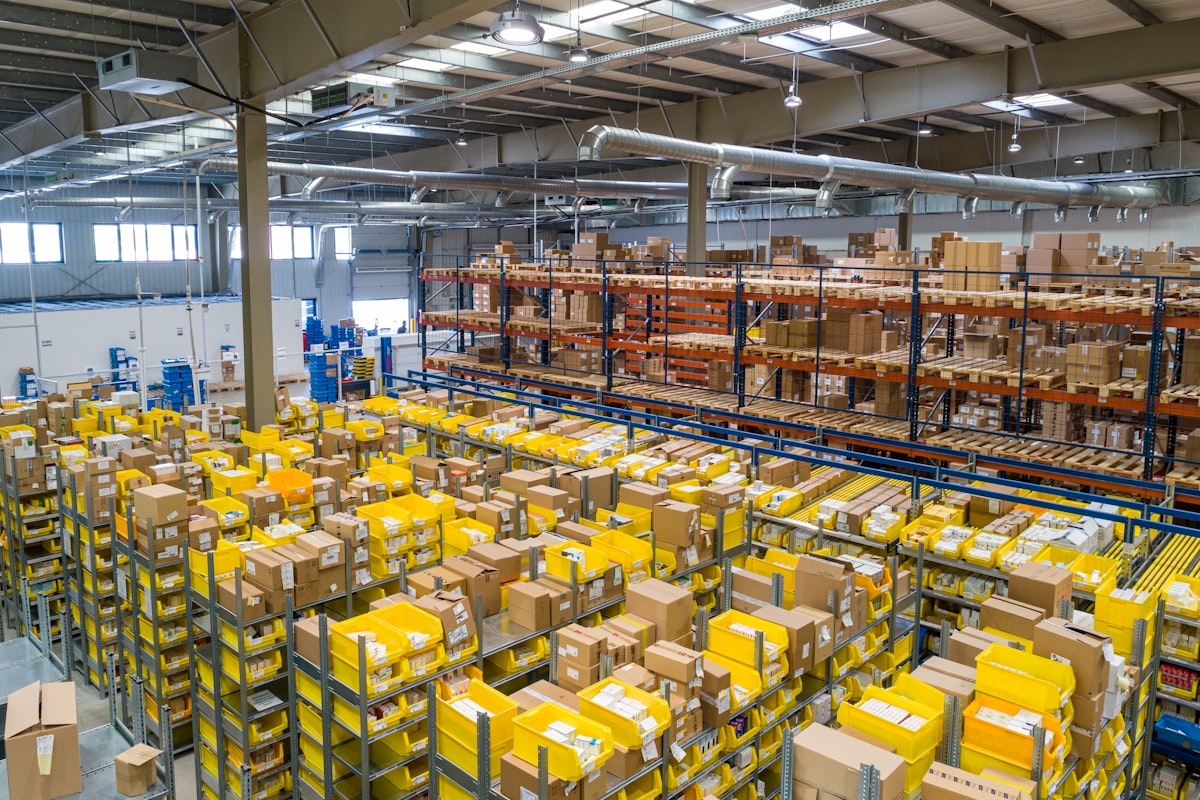
Heavy-Duty Warehouse Floor Scrubbing & High-Efficiency Desert Dust Extraction Protocols — Mayberry's Maids (702) 474-6243
The Invisible Operating Cost Bleeding Clark County Industrial Facilities
Along the high-velocity industrial corridors of Southern Nevada—from the custom fabrication clusters off Post Road and Cameron Street to the dense logistics centers flanking Valley View and North Las Vegas Industrial—plant managers face an aggressive environmental reality. We call it the Mojave Dust Tax.
For exhibit builders, trade show fabrication shops, and light industrial facilities, dust is not merely an aesthetic grievance. It is an abrasive mechanical threat. Every time custom booth fabricators machine medium-density fiberboard (MDF), solid-surface polymers, and aluminum extrusions for high-stakes trade shows at the Las Vegas Convention Center, airborne particulate matter saturates the shop floor. When that industrial debris collides with ambient desert air, the chemistry turns destructive.
Most facility maintenance plans deploy off-the-shelf single-stage commercial vacuums or subcontracted night cleaners pushing standard janitorial broom-and-vac carts. In Clark County, that operational choice triggers severe premature mechanical failure, degraded air quality compliance, and catastrophic HVAC coil fouling.
The Physics of Caliche Silica: Why Off-the-Shelf Filtration Fails
The desert floor surrounding the Las Vegas Valley is heavily dominated by caliche—a sedimentary rock composed of hardened calcium carbonate, quartz silica, and alkaline clay minerals. When industrial bay roll-up doors open along Valley View or Cameron Street, micro-pulverized caliche dust enters the warehouse envelope.
Standard commercial vacuums rely on porous cloth filter bags or single-stage paper cartridges calibrated for particulate larger than 20 to 50 microns. Caliche silica and CNC-machined fine particulates frequently shear into the sub-micron spectrum (PM2.5 to PM10). When a standard vacuum draws this dust across a basic impeller motor, three operational failures occur immediately:
- Filter Blindness and Static Loss: The ultra-fine calcium carbonate particles rapidly load the interstitial pores of entry-level filters, collapsing static air pressure within minutes and causing motors to run hot and starve.
- Sub-Micron Aerosolization: Instead of capturing the dust, the high-velocity vacuum exhaust operates as a micro-pulverizer, spewing microscopic silica particles back into the facility breathing zone.
- The Evaporator Coil 'Concrete' Reaction: Once aerosolized at working height, this fine dust is drawn into rooftop HVAC return plenums. When dry alkaline caliche and MDF sawdust meet the continuous condensation of industrial air-handler evaporator coils, they undergo hydration cementing. The dust cures directly onto aluminum evaporator fins, forming a hardened mineral crust that drastically chokes airflow, sends head pressures spiking, and burns out multi-ton compressors years ahead of their design lifespans.
Protecting capital equipment requires continuous, sealed mitigation rather than cosmetic surface sweeping. This demands engineering-grade industrial warehouse floor scrubbing and sawdust extraction executed with equipment calibrated specifically for extreme southwestern desert soils.
The Mitigation Standard: 4-Stage True HEPA and Chemical Dwell Dynamics
Industrial dust extraction inside exhibit fabrication plants and distribution hubs cannot rely on residential-derived equipment. Decontamination demands 4-stage HEPA filtration architecture:
- Cyclonic Pre-Separators: Centrifugal separation removes up to 95% of heavy sawdust and grit before air reaches internal filtration membranes, preventing premature filter blindness.
- Micro-Pleated Primary Stages: Capturing bulk particulates down to 5 microns while sustaining balanced airflow velocities.
- Secondary Diffusion Filters: Equalizing differential pressure across internal chambers.
- Independently Certified HEPA Stages: Final-stage filtration rated at 99.97% efficiency down to 0.3 microns, ensuring that exhaust air returned to your shop floor is cleaner than the ambient facility atmosphere.
Furthermore, when removing oil-bound dust, machine coolants, and rubber tire marks left by continuous forklift traffic, dry vacuuming alone fails. Liquid remediation requires strict chemical contact dwell times. Quality industrial degreasers and neutral surface surfactants require a verified wet dwell time of between five and ten minutes to fully emulsify particulate binders before automated scrubber squeegees reclaim the suspended slurry. Bypassing this dwell phase merely smears alkaline micro-grit deeper into raw warehouse concrete pores.
"If your cleaning crew creates a visible aerosol halo in your high-bay lighting while they clean, they are not removing particulate—they are simply migrating it into your HVAC infrastructure and your employees' lungs."
Chain of Custody: W-2 Security Protocols vs. Subcontracted Churn
Industrial facilities along the Post Road and North Las Vegas corridors house confidential engineering designs, proprietary trade show exhibits, high-value tooling, and expensive structural materials. Despite this, many commercial cleaning brokers hand off facility keys to unvetted 1099 gig-economy subcontractors who rotate weekly.
Professional dust extraction requires rigorous accountability. At Mayberry's Maids, operations are grounded in 35 continuous years of local Clark County experience. All field technicians are direct, payroll W-2 employees operating under strict background screening, specialized OSHA-compliant equipment training, and rigid site-access security protocols. We maintain an unbroken chain of custody across every industrial square foot we service.
The 5-Minute Nighttime Facility Diagnostic Self-Audit
Commercial property owners and facility managers can evaluate their shop floors tonight using this rapid 4-point diagnostic rubric:
- The High-Bay Beam Clamp Test: Direct a high-lumen inspection flashlight upward at your structural I-beams and truss junctions. If you observe more than 1/8-inch of flour-like gray residue, your existing vacuum protocols are bypassing filtration and aerosolizing toxic silica directly into the ceiling envelope.
- The Condensate Pan Visual: Inspect your primary air handling unit drain pans. If you discover a dense, cement-like grey-white silt instead of clean water flow, your coils are actively cementing caliche dust, and your HVAC efficiency is critically degraded.
- The Vacuum Exhaust Stencil: Examine the physical housing around the exhaust ports of your shop vacuums or current custodial carts. A dark, powdery halo encircling the exhaust grill confirms filter bypass and active airborne re-contamination.
- The Concrete Ghosting Wipe: Firmly rub a clean, black microfiber cloth across a supposedly scrubbed warehouse traffic lane. If the cloth returns coated in a white, chalky residue, your cleaning service is skimping on chemical dwell times and failing to lift alkaline desert slurry.
Engineering Clean Workplaces Across the Las Vegas Valley
Mitigating the Mojave Dust Tax requires seasoned technical execution, dedicated multi-stage HEPA scrubbers, and cleaning personnel who understand the severe dynamics of Clark County commercial environments. In line with our founding owner policy established over three decades ago, we never offer generic formulas or blind estimates.
We invite industrial property managers, warehouse directors, and exhibit fabrication owners to schedule a complimentary 15-minute on-site walkthrough inspection directly with Gil. Contact our local NV 89103 operational headquarters at (702) 474-6243 or email sales@wecleanlasvegas.com to secure an expert assessment of your facility's environmental containment.

Comments
Post a Comment