The Hidden Cost of Low-Ball Commercial Cleaning Bids in Las Vegas
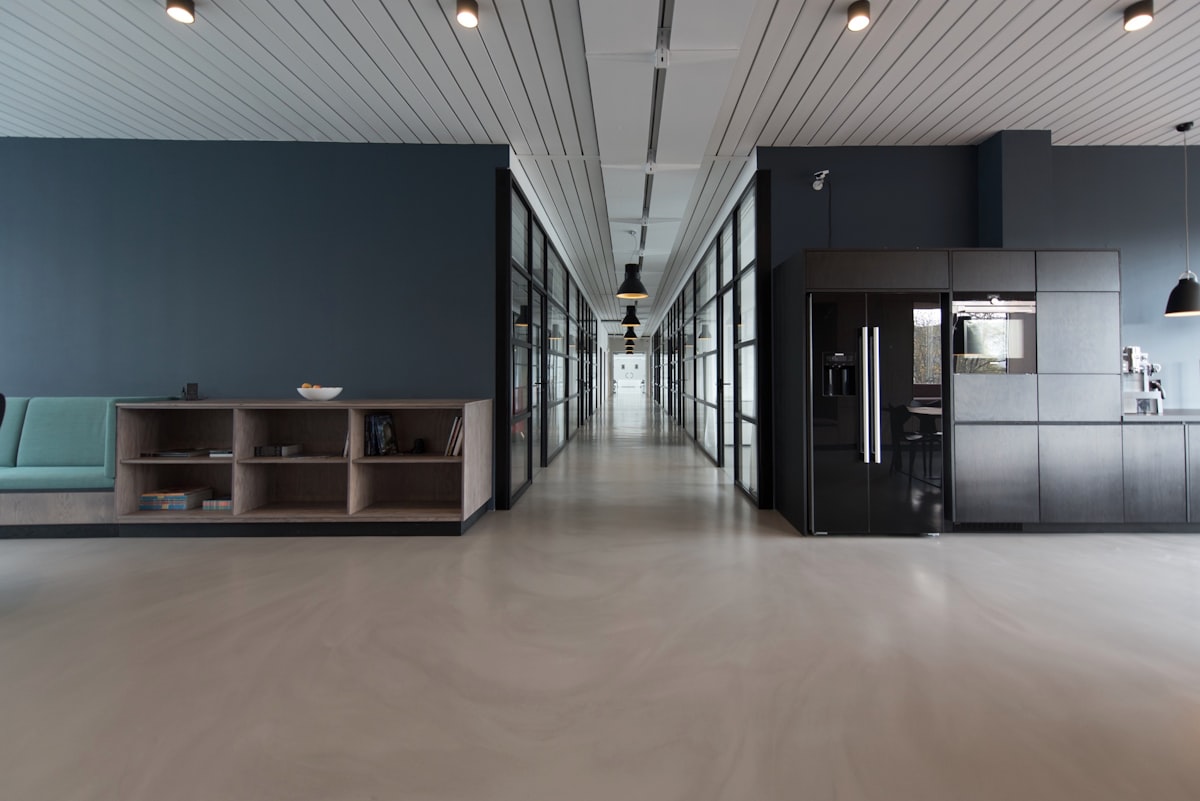
Professional Nightly Corporate Office Detailing & Microfiber Sanitization in Clark County — Mayberry's Maids (702) 474-6243
When commercial property directors along the Sunset corridor, logistics hubs off Dean Martin Drive, and Class-A office campuses in Summerlin West review procurement proposals, the lowest line-item bid often looks like a fiscal triumph. On paper, janitorial scope appears commoditized: trash empty, restrooms sanitized, floors cleared. In the operational reality of Southern Nevada, however, buying commercial janitorial services on rock-bottom price alone initiates a compounding cycle of asset degradation, indoor environmental decline, and unmitigated corporate risk.
After more than 35 continuous years maintaining commercial real estate across the Las Vegas valley, Gil and the team at Mayberry's Maids have audited hundreds of facility maintenance programs. The autopsy on low-bid contracts is remarkably consistent: cut-rate contractors achieve margin not through operational efficiency, but by eliminating labor hours, deploying non-compliant subcontractor labor, and ignoring the unique environmental physics of the Mojave Desert.
The Mojave Physics: Caliche, Sub-Micron Silica, and Mechanical Wear
Las Vegas does not generate standard municipal dust. Clark County sits on caliche—a concrete-like sedimentary deposit composed of calcium carbonate, crushed limestone, and ultra-fine silica. Microscopic silica particles register hard on the Mohs mineral hardness scale (Mohs 7), acting as microscopic razor blades under foot traffic.
When bargain-tier cleaning vendors equip night crews with residential-grade upright vacuums or standard single-stage filters, they are not removing caliche dust; they are aerosolizing it. These budget motors exhaust sub-micron silica straight into the breathable ambient air and the commercial building’s HVAC return registers. The silica coats cooling coils, forces compressors into premature thermal cycling, and abrades commercial nylon carpeting at the backing level, cutting fiber lifespans by up to 50 percent.
Professional commercial office cleaning in Las Vegas requires closed-loop, multi-level interception. Routine commercial detailing demands certified 4-stage HEPA filtration units operating at 99.97% containment down to 0.3 microns, paired with static-dissipative color-coded microfibers that capture particulate mechanically rather than pushing abrasive dry-soil loads across factory sealants and composite stone finishes.
The Quat Dwell Time Failure: Sterilization Theater vs. Actual Efficacy
The most pervasive failure of low-bid commercial janitorial is the "spray-and-wipe" ritual in commercial restrooms and shared kitchenettes. Hospital-grade quaternary ammonium compounds ("quats") and EPA-registered neutral virucides cannot kill human pathogens instantly upon impact. Chemical formulation efficacy is tethered to mandatory wet contact dwell times—typically between 5 and 10 full continuous minutes of surface saturation.
Under-bid janitorial operations typically budget mere seconds per fixture. Technicians mist an under-diluted chemical onto a surface and wipe it dry immediately with a contaminated rag. This does not disinfect; it simply mobilizes resistant biofilm and spreads gram-negative bacteria across high-touch transition points: brass entry handles, elevator push-plates, keypads, and conference room consoles.
"Sterilization is a kinetic chemical reaction governed by dwell time. The moment a contractor cuts on-site labor to underwrite a sub-market bid, dwell time is the first casualty—transforming routine cleaning into cross-contamination theater."
Labor Architecture: 1099 Shadow Crews vs. W-2 Custody Control
To produce an artificially depressed bid, low-tier contractors routinely evade payroll taxes, workers' compensation insurance, and legal oversight by farming facility access out to undocumented, unvetted 1099 independent sub-crews. For corporate offices in Spring Valley and financial suites in Summerlin, this creates severe security and operational exposure.
Consider the access footprint: night crews possess master keycards, electronic security fobs, and after-hours run-of-house privilege throughout your executive corridors, HR file stores, and IT infrastructure. The hidden cost of cheap janitorial services surfaces when doors are propped open, digital custody logs are corrupted, and building managers face open-ended premise liabilities.
Sustainable asset stewardship relies exclusively on verified, direct W-2 employees subject to federal background checks, drug screenings, structured supervisory hierarchies, and ongoing hazard-communication compliance. Accountability requires that the names on your vendor agreement correspond directly to the vetted individuals crossing your threshold after 6:00 PM.
The 5-Minute Nighttime Diagnostic: Facility Self-Audit
Facility managers and asset supervisors can determine the health of their current cleaning program tonight without hiring an industrial hygienist. Take this 4-point diagnostic self-audit through your commercial suite:
- The Return-Air Register Swab: Run a gloved finger along the louvers of your primary ceiling HVAC return. If you pull away a gritty, grayish-white chalk residue, your vendor is deploying non-sealed exhaust vacuums that vent abrasive caliche dust directly into your air handlers.
- The Threshold Baseboard Creep: Inspect the 90-degree interface where carpet meets the vinyl baseboard in corner alcoves. A dark, compacted soil wedge indicates routine "mop drag" and dry-vacuum bypassing, which permanently embeds oils and particulate into the flooring perimeter.
- The Restroom Grout Water Test: Place three drops of clean water onto the tile grout line behind a restroom partition. If the droplet absorbs immediately instead of beading, the grout’s protective sealant has been stripped by unmeasured, highly acidic or caustic floor detergents applied without neutral-water rinsing.
- The Hardware Mirror Inspection: Examine the bottom side of your office suite door pulls and secondary conference room handles. Unchecked grime deposits prove your night crew is conducting visual surface wiping rather than true architectural contact-point sanitization.
Protecting Commercial Capital Across Clark County
A cut-rate cleaning bid is not cost savings; it is deferred maintenance billed directly to your capital expenditure reserves. Asset value, employee absenteeism, and tenant retention are intimately connected to the technical execution of your nightly maintenance detail.
Founded locally and anchored continuously in Clark County for more than three decades, Mayberry's Maids designs customized commercial janitorial scopes engineered specifically for Southern Nevada’s climate and commercial architecture. We invite property owners, facility executives, and asset managers across the Sunset corridor, Dean Martin Drive, Spring Valley, and Summerlin West to stop guessing on nighttime quality.
Contact Gil directly to schedule an objective, complimentary 15-minute on-site facility walkthrough inspection. Call our central office at (702) 474-6243 or email our team at sales@wecleanlasvegas.com to baseline your property’s true operational standards.

Comments
Post a Comment